




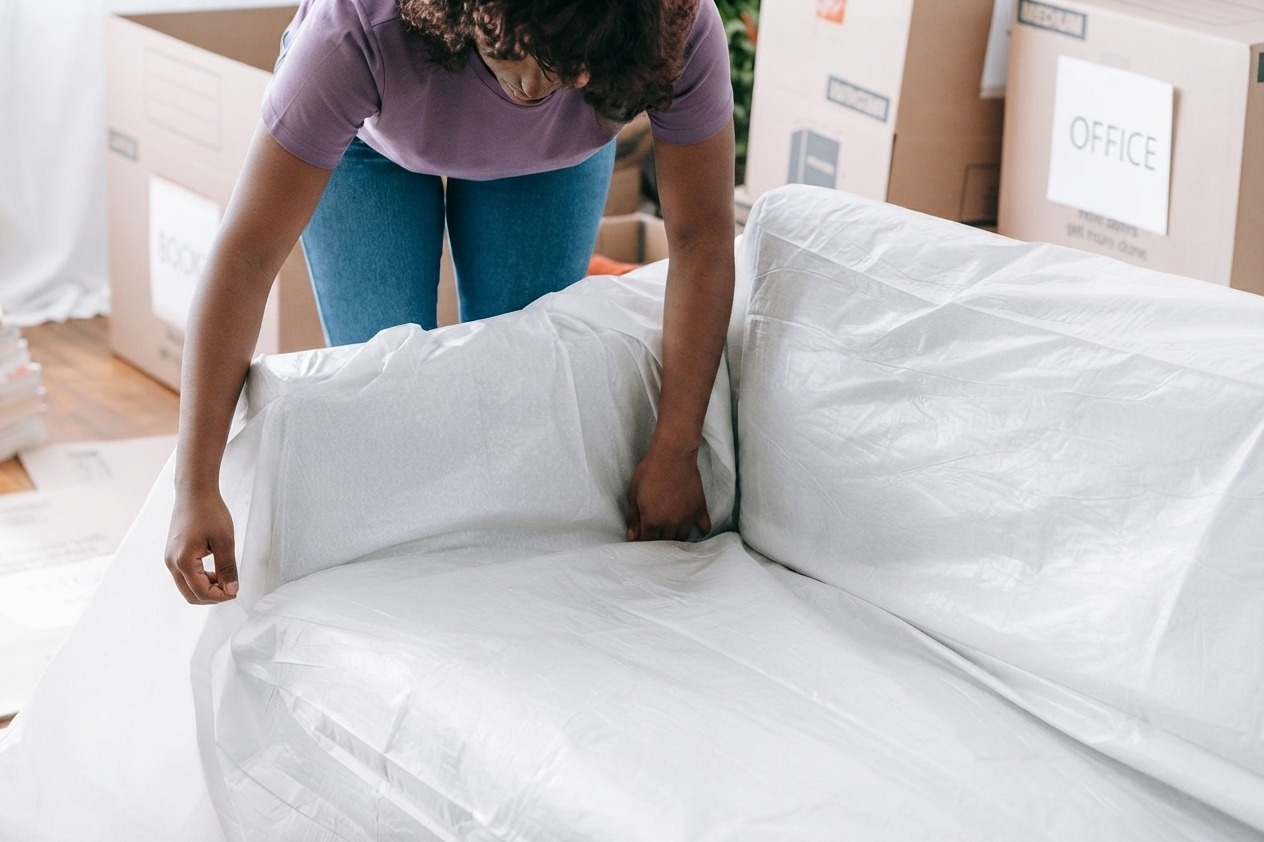
Keeping your furniture pieces in a storage unit can be a practical solution whether you’re renovating, downsizing, or need a little more space at your current home. However, storing them carelessly can lead to unexpected damage, wear and tear, and other headaches.
In this guide, we provide firsthand tips from our storage experts on how to properly store different types of furniture and bulky items such as mattresses.
1. Clean Your Furniture Before Storage
Always dust and clean your furniture before putting it into storage, even if it doesn’t look dirty. Take the time to inspect the condition of every piece – lift sofa cushions and check the corners of drawers for hair strands, crumbs, and other debris that could attract pests in storage.
Different types of furniture require different cleaning methods
Upholstered Furniture
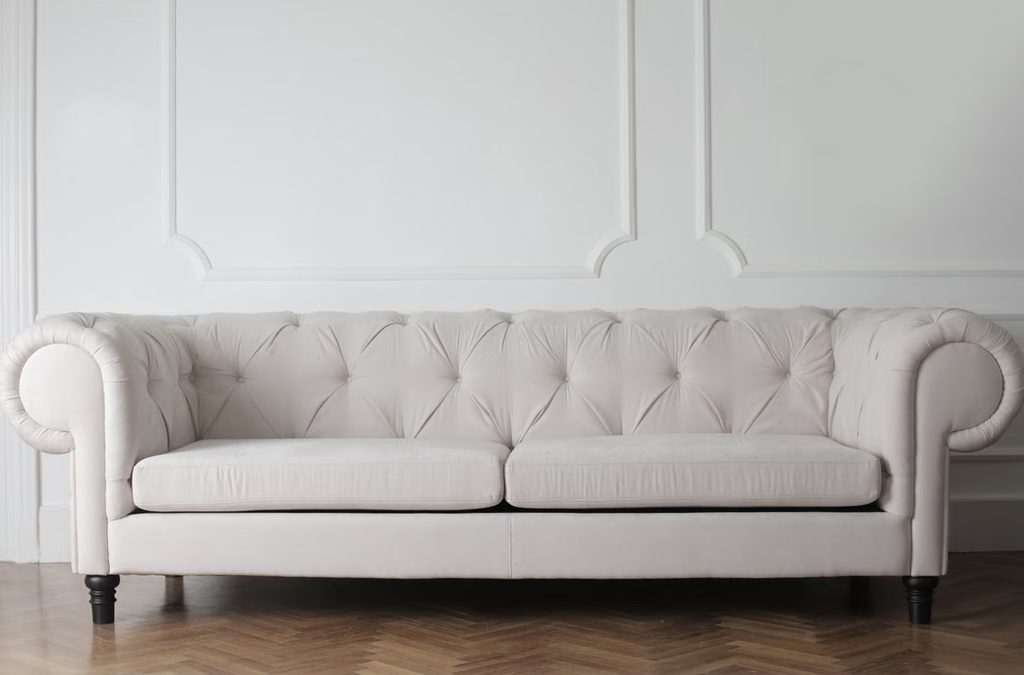
Spot-clean any stains with a mild mixture of soap and water or a fabric cleaner and wait for the piece to dry before storing to prevent mold and mildew from growing. For dust and debris removal, use a thorough vacuum cleaner.
Avoid using excessive water or steam cleaner as mold or mildew might grow even before the piece completely dries. To keep your furniture dryer relatively longer in storage, it’s advisable to throw in absorbent desiccant bags that absorb moisture from the atmosphere.
Leather Furniture
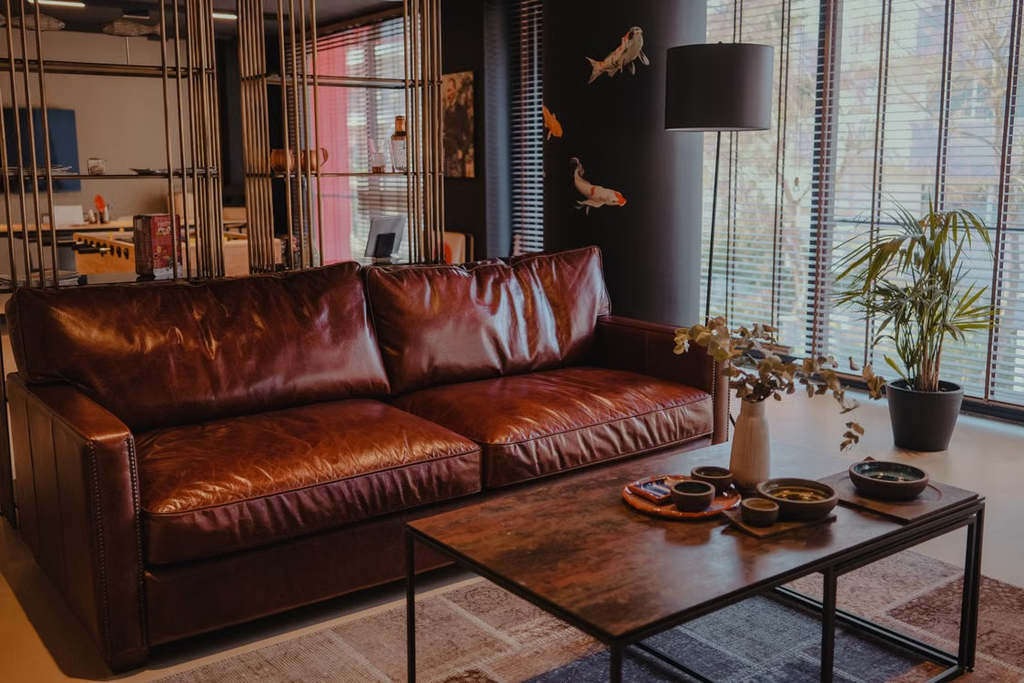
Clean leather surfaces using a cloth and gentle soap solution before applying leather conditioner to help keep the material supple and prevent cracking or drying out. Avoid ammonia or alcohol-based cleaning products since they damage or age the leather faster.
Metal Furniture
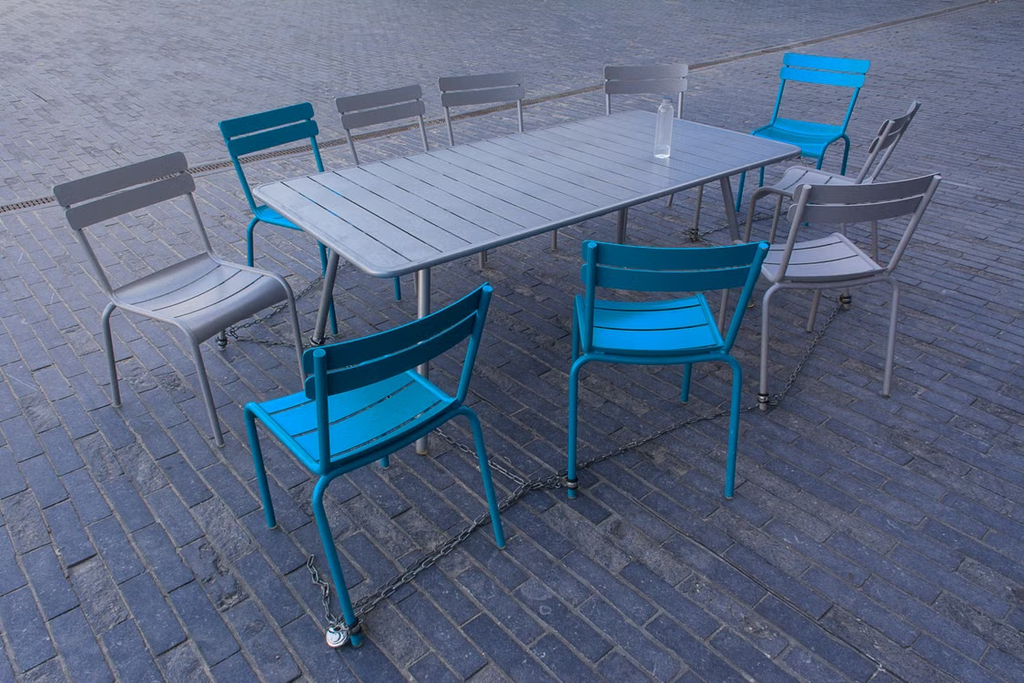
Wipe clean and check for rust before storage. Especially pay attention to joints, screws, legs, and spots with chipped paint or protective coating. Clean up any rust spots and consider touching up the pieces, especially if you intend to put them in long-term storage.
Wood Furniture
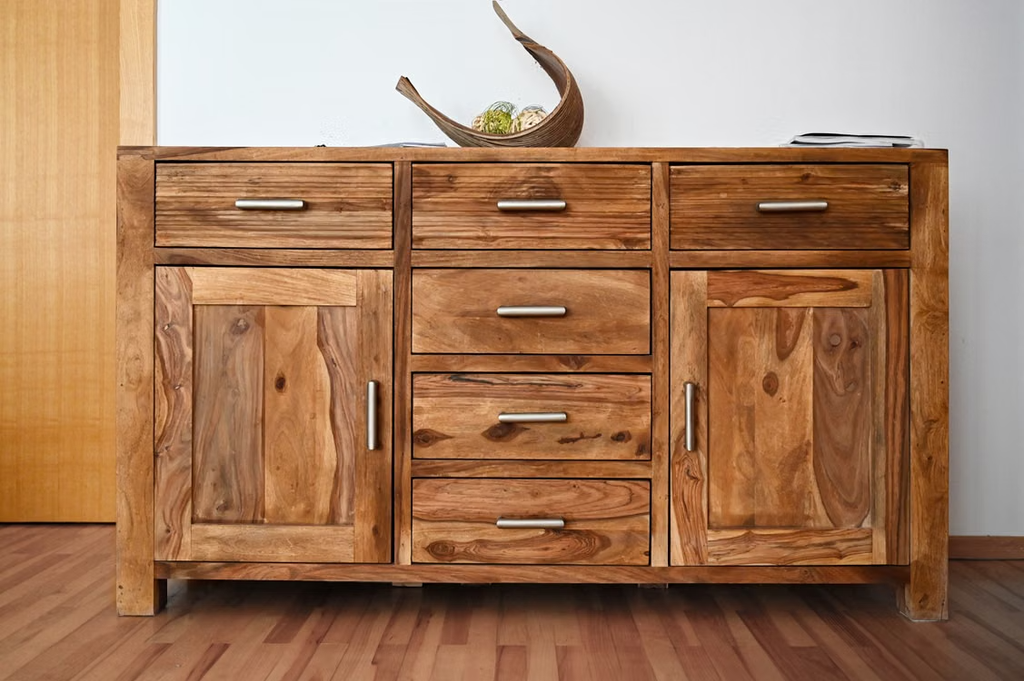
Start by dusting the surface with a soft cloth. To remove dirt or grime, use a mild wood cleaner. You can apply wood polish or conditioner to prevent cracking or drying in storage.
Avoid using vinegar and other harsh chemicals as they can strip the finish and damage surfaces.
Outdoor Furniture

Remove dirt, pollen, leaves, and mildew that could have built up from patio chairs, outdoor tables, cushions, and loungers. Ensure each piece dries up well before wrapping and packing it away for storage.
If your outdoor pieces have removable cushions, clean and dry them separately, then put them in breathable bags or bins. For a full patio set, try to keep related pieces together so it’s easier to pull everything back out whenever you need.
Wicker and Rattan Furniture

Wicker and rattan furniture is usually a little trickier to clean because dirt can settle into the woven material. Start by vacuuming the piece with a brush attachment, then use a soft cloth or small brush to clean any tight crevices. If needed, wipe the surface with a slightly damp cloth and mild soap solution, but avoid soaking the material.
Before moving wicker or rattan furniture into storage, make sure it’s completely dry. Moisture can get trapped in the weave and lead to mold or weakened fibers over time. You should also avoid placing heavy items on top of wicker or rattan furniture, since the material can bend or lose its shape under pressure.
Mattresses

Vacuum to remove any particles on the surface. Spot-clean any stains using a mild fabric cleaner and ensure the mattress is completely dry before covering it with a plastic bag or protector and moving it into storage.
Avoid using bleach or harsh chemicals that can damage the fabric. For mattresses with a fiberglass interior, do not unzip or pierce the lining as it might create a fiberglass spill that may be too messy to clean up.
2. Disassemble Large Pieces to Maximize Space
Disassembling furniture before stowing it away makes it easier to transport to the facility and also maximizes space in your unit. It also reduces the risk of breaking or damaging parts during the move.
Ensure you follow the manufacturer’s instructions for taking the pieces apart or hire a storage company that also offers furniture installation services for the best experience. Keep any loose small parts such as screws and bolts together in a labeled plastic bag to ensure nothing gets lost en route to the facility.
3. Find a Climate-Controlled Storage Unit
Furniture, especially wood or leather, is sensitive to moisture and temperature, and may be prone to cracking, warping or mold growth if stowed away in home storage. This is because, no matter where you live in Kenya, home storage areas such as garages, attics, and basements can often experience extreme fluctuations in temperature and humidity that can damage your furniture.
On the other hand, climate-controlled storage units in Kenya are designed to maintain stable temperature and humidity levels. They are especially critical for maintaining items made with genuine leather and solid wood, and fragile, valuable pieces such as pianos, fine art, and heirlooms while in short-term or long-term storage.
4. Consider Short-Term or Long-Term Storage
A piece that’s going in storage for only a few weeks during a home move may not need the same level of preparation as a piano or bedroom set that will be in store for several months or longer.
For short-term storage, clean each piece thoroughly and ensure its completely dry before you wrap and pack for the move. You may not need to disassemble larger furniture if there’s enough room in the unit and you don’t need to maximize every inch of space. Even then, cover furniture with moving blankets and avoid placing anything directly on the wall.
For long-term storage, take a more careful approach. Clean and condition every piece beforehand, use breathable covers, and strongly consider climate-controlled storage units.
5. Use the Right Packing Materials
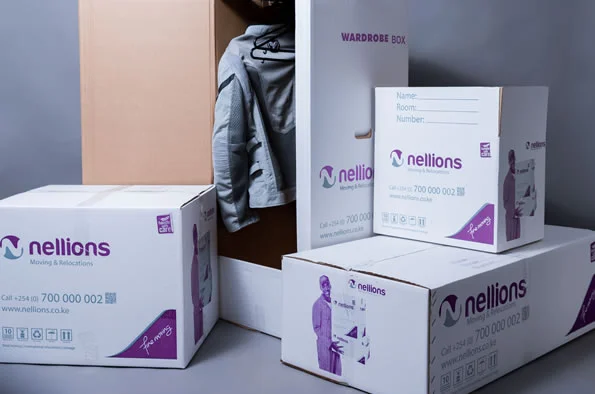
It’s essential to use the proper packing materials to protect your furniture from dents, scratches, and nicks that might occur during delivery or in storage. Some essential supplies you might require include;
- Breathable covers for leather furniture protect against dust while allowing for air circulation to prevent moisture build-up.
- Mattress bags shield from dust, dirt, and pests. Remember to seal tightly to maintain cleanliness in storage.
- Old bedsheets or fabric for upholstered furniture. Avoid plastic directly on the fabric as it can trap moisture.
- Moving blankets or furniture pads secured with tape or plastic wrap for wooden surfaces and fragile items such as glass tabletops, mirrors, and intricate woodwork.
- Bubble wrap for additional cushioning of glass and other breakable parts or pieces.
- Corner protectors for items with sharp edges to prevent chipping
6. Arrange Your Furniture Strategically
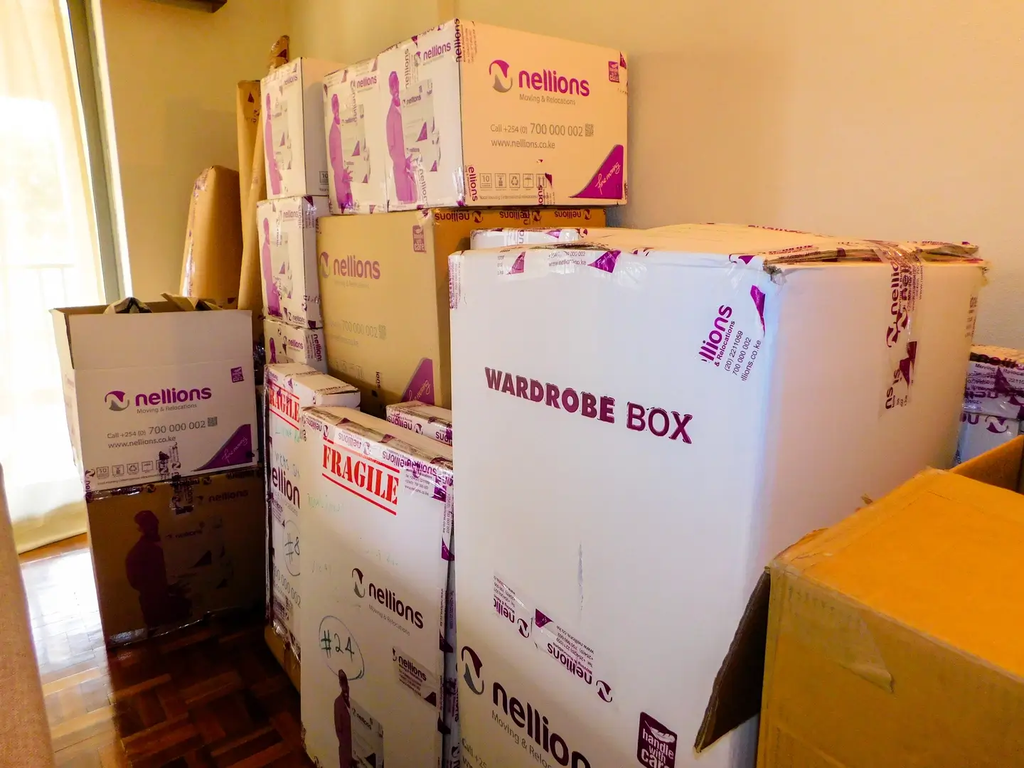
Proper furniture organization is the key to maximizing space and ensuring your items stay in good condition. Put larger, bulkier items at the back of the unit, and lighter, fragile items towards the front.
Avoid stacking items on top of upholstered furniture, mattresses or anything with delicate legs, arms, or cushions. Keep your pieces a few inches off the wall and leave small gaps between items for easy access and to allow for free air circulation. This also prevents moisture build-up.
Do not place the items directly on the floor – use cinder blocks, wooden pallets, or shelving units to keep them off the ground. Storing your furniture too closely may lead to moisture build-up that may result in mold and mildew growth.
7. Regularly Check on Your Stored Furniture
Even if you’ve followed every tip, don’t forget to check on your furniture regularly to identify and tackle any issues. You may need to stop by occasionally, especially in a self-storage unit, to check for moisture, pests, loose covers or anything that might have shifted over time.
If you notice moisture, add absorbent silica packets or desiccant bags to keep things dry. If you need to add more furniture pieces, you can upgrade to a larger unit in the same facility. Similarly, if you end up rehoming or selling some of the furniture, you can downgrade to a smaller unit so you’re only renting the amount of space you need.
Reliable and Secure Furniture Storage in Kenya with Nellions

Getting your furniture ready and moving it into storage takes serious work. The process requires special packing supplies, moving expertise, and time. Partnering with a reliable integrated moving and storage specialist such as Nellions eliminates the physical strain and gives you peace of mind that your valuable items will be safely transported and protected in storage.
Nellions provides flexible contracts, insurance options, and professional wrapping and packing services in Nairobi. We also provide guest tours of our storage facilities, which span 14000 square feet, so that you can be confident your pieces will be well preserved. Secure, convenient, and flexible storage is available for everyone from homeowners downsizing to businesses needing archive space.
Need secure, premium furniture storage in Kenya? Contact us on +254700000002 or email move@nellions.co.ke for a free quote today.