




The years during and after recent global events – the 2020 COVID-19 pandemic, 2025 geopolitical tensions (Israel-Palestine, Russia-Ukraine, and USA-Iran), and the rapid rise of AI – have seen staggering changes in most companies’ global and Kenyan operations. As a result, many organizations have been spurred to reexamine their employee relocation policies and assess whether they support the company’s current talent management goals.
Understanding the impact of employee relocation trends will allow organizations in Kenya to optimize their hiring processes, reduce turnover, and control expenses.
If your organization is reviewing its employee relocation policy, some questions the employer should be asking, via the HR team, include;
- Does our current relocation policy reflect today’s housing and living costs?
- Are we giving our staff enough support during a highly stressful life transition?
- Is our program flexible enough to handle different move types and employee needs?
- Do we have the right relocation partner in Kenya for domestic, global, and specialized moves?
These questions can help employers identify gaps, improve policy effectiveness, and create a more responsive relocation program.
This article highlights employee relocation trends in 2026 that can inform your policy;
1. Global Mobility and Logistics Remains Unpredictable
For many international moving companies, global logistics trends in 2026 continue to reflect changing geopolitical temperatures, changing immigration requirements, and cost fluctuations. Even companies that handle a small number of cross-border relocations need trusted guidance to respond quickly and effectively when international employee relocations arise.
Having experienced relocation and mobility support in place can help employers reduce risk, stay compliant, and better support employees through more complex transitions.
2. Talent Shortage, Turnover, and Changing Demographics

The scramble for talent shifted after the 2020 pandemic, with large numbers of the Baby Boomer generation retiring and colleges reporting low enrolment numbers. While the millennials are the largest population group, most lack the necessary academic qualifications and experience. As a result, industries are struggling to find a qualified younger workforce to fill roles left by the retirees that cannot be replaced by automation.
International organizations are best bridging this labor gap by welcoming workers from other countries through immigration and international employee relocations. Because quality talent is hard to find and some employees resist big changes like international relocations (maybe they prefer remote work more), hiring companies are forced to be more creative with their hiring strategies and incentives.
More organizations offer attractive employee relocation packages and other mobility benefits as negotiating chips to attract quality talent. Companies must benchmark their programs and incorporate employee and stakeholder feedback to ensure their policies reflect a warm corporate culture, industry norms, and practical moving processes.
3. Increase in Return-to-Office (RTO) Policies
Since the lifting of the 2020 COVID-19 social distance restrictions, more employees have returned to work entirely in person or in a hybrid arrangement. Companies are relocating from big cities to residential suburbs closer to where employees live to benefit employees with shorter commutes hence lower turnover and general costs.
Due to evolving return-to-office policies and modern work arrangements, some people opt for fully remote work, choosing to live in more affordable areas closer to friends and family. More businesses are developing mobility policies to support these voluntary transitions through cash payments or modest furniture relocations.
Companies with hybrid work arrangements require employees to live within a reasonable commute to their designated office. Depending on in-office policies, this could mean relocating or planning for business travel. Some businesses also merged their offices during the pandemic, which required certain workers who previously lived near an office to move to fulfill the in-office requirement.
We can expect to see push and pull between organizations and workers as they navigate post-pandemic RTO policies to find the best solution.
4. Focus on Flexibility and Adaptability
Younger generations – millennials and Gen Z – continuously drive workplace and labor economy changes. Just as they initiated the evolution from Monday to Thursday strict official attire to Casual Fridays, they are leading a similar charge for greater flexibility and adaptability of workplace policies. This adaptability and flexibility are essential for assisting all staff members and adjusting to changes. Businesses that exhibit flexibility and adaptation enjoy improved employee satisfaction, lower turnover levels, and high productivity.
Corporate relocation policies and initiatives must be flexible and adaptive to satisfy the demands of a diverse workforce. Customized relocation plans and packages should be available for current workers and new hires, a change from the conventional “use it or lose it” benefits.
5. Housing Market Conditions
Rising rent and mortgage interest rates in Kenya typically means less employees are inclined to move, especially if they are homeowners with lower mortgage rates than they are willing to lose. Many potential home buyers also put their plans on hold in the face of stagnant mortgage rates and rising costs of living.
In this light, businesses can improve employee relocation programs to provide better support. This will address and ease the fears of workers who may be open or due for corporate relocations in 2026.
Employers/organizations can:
- Provide information and support to those buying, selling, or moving houses
- Provide customized moving plans and support with temporary storage.
- Connect staff members with reputable local real estate agents
- Give resources to cushion employees against rising mortgage interest rates
Giving employees a choice in policy benefits amidst rising economic costs shows a company’s dedication to its employees and improves the overall success of the employee transfer process. Customizable packages that address each employee’s needs are preferable to a generic strategy because they help with cost control, transparency, and fairness.
6. Greater Preference for Remote Work Arrangements
More employees are beginning to doubt the need for persistent business relocations given the rising popularity of remote work, which offers greater flexibility. Someone may wonder why they can’t work at their new job from where they are.
Furthermore, as usual, Kenyans have strong emotional ties to their families and communities, which can make them naturally resistant to employee transfers. Given the cost and stress involved, very few top talent is likely to accept employee relocations. Employers may take additional measures in addition to offering thorough incentive support, such as:
- Offer competitive pay and benefits commensurate with the cost of living at the new location.
- Consider providing flexible start dates and a hybrid work pattern in the new location to ease settlement and restore work-life balance
- Be specific in communicating the staff relocation process, including expectations and timetables.
- Include employees in decision-making and consider the input provided by relocated staff.
- Modify the program to improve future relocation.
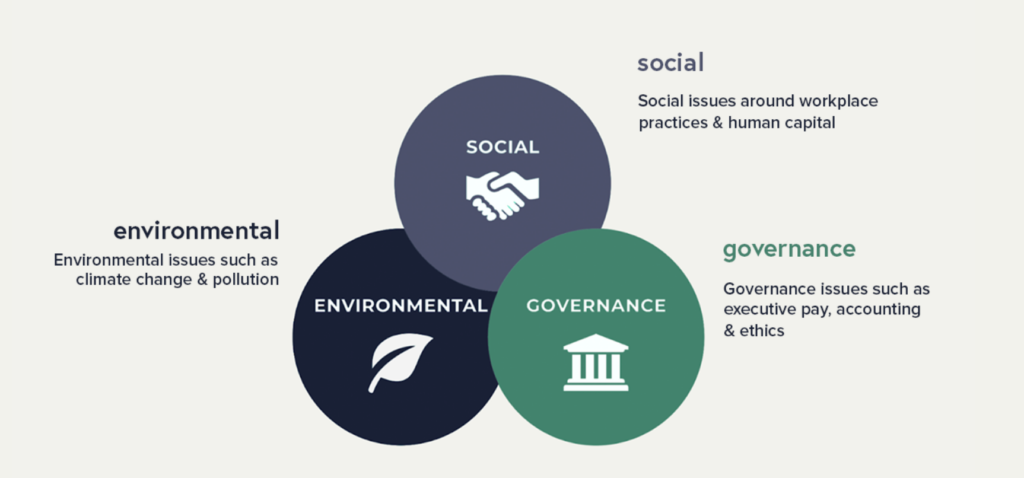
7. Diversity, Equity, and Inclusion (DEI) and Environmental, Social, and Governance (ESG) Movements
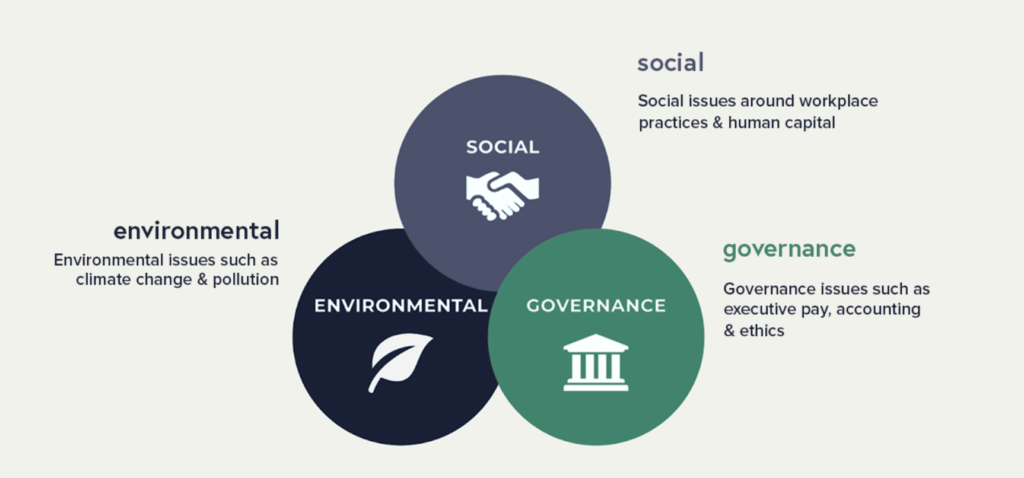
Businesses are tracking, disclosing, and enhancing their ESG/DEI performance, expecting their partners to do the same. In the meantime, prospective and existing workers closely examine how businesses fulfill their ESG/DEI obligations, and they frequently rely on their hiring decisions to determine how well a company values them. Top talent is commonly drawn to and retained by companies committed to ESG/DEI principles, especially within their mobility initiatives.
Initiatives to provide more fuel-efficient shipping in the household goods industry and more stress management support during employee relocations in Kenya are examples of how ESG/DEI efforts have spurred innovation in the mobility sector. The mobility industry is acknowledging the importance of ESG/DEI aspects more and more to match the expectations and ideals of stakeholders and employees.
Kenya’s Best Corporate Relocation Partner: Nellions
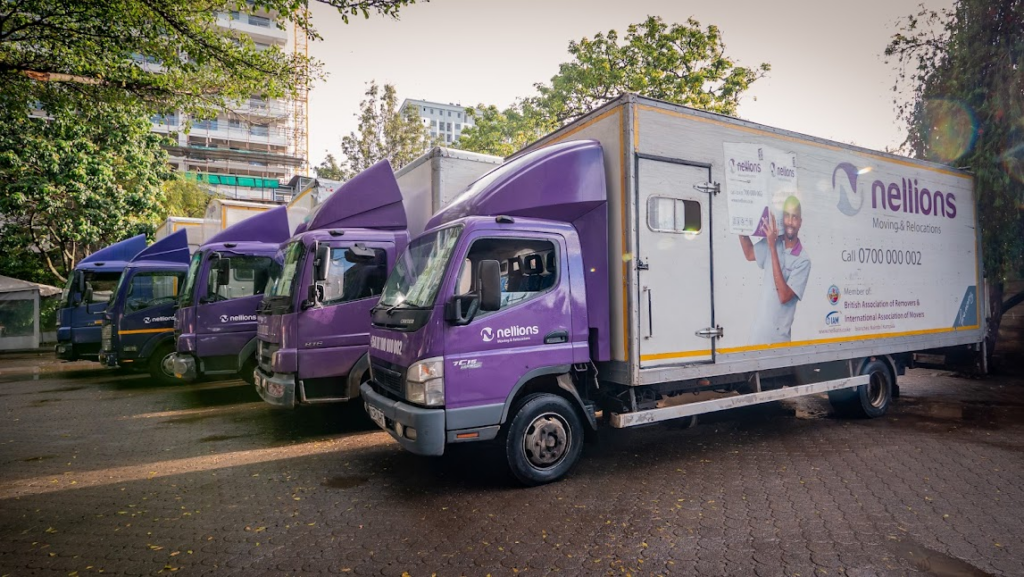
At Nellions, we carefully plan and execute the logistics of local and international corporate moves to ensure a smooth and stress-free transition. We support HR teams with seamless employee relocation in Kenya — from household moving to school search and settling-in orientation.
With Nellions as your corporate relocations partner, you can focus on enjoying your new corporate ventures while we handle the rest.
Call us +254700000002 or email move@nellions.co.ke to book a free survey today!