


Home ownership is a major achievement for many people in Kenya. Perhaps you’re looking to raise a family, settle in a more stable environment, or want to be free from monthly rent obligations so you can plan your finances better – there are many factors that could influence your decision.
As fulfilling as owning a home is, it’s crucial to understand the various aspects and expenses involved, whether you’re building from scratch or simply buying a ready-made home. The total amount of money you may spend includes land and construction costs if you’re building one, or the purchase price and loan fees if you opt for third-party financing, taxes, lawyer fees, real estate agency fees, and utilities.
Building a House in Kenya
Most Kenyans prefer to build their own houses. According to leading construction management firms such as Integrum, average building costs may range between KES. 32,500 and 70,000 per square meter. Other sources like Hayer estimate between KES. 30,000 and 60,000 per square meter. This means for a three-bedroom house (125 square meters), you could spend between 4.5 million shillings for a simple design, and 9 million shillings for a high-end design.
There are certain factors worth considering that make building a house in Kenya even much cheaper. They include:
- Having your own land – the price of a house is determined by the value of the land it sits on. If you own the land, you own a finite resource that typically appreciates over time, regardless of the size or design of the house you build.
- Location – building a house in a somewhat remote area is relatively cheaper than in a high-value town or estate.
- Buying the materials yourself – this will cut off bad faith contractors who may shortchange you by overquoting material prices or even buy cheap, substandard ones that may end up costing you even more in the long run.
- New building technology – new building techniques such as interlocking bricks and prefab designs help reduce labor costs, number of materials, and the construction timeline.
- Building under favorable weather conditions.
- Closely supervising the construction
Experts advise enlisting the services of a reputable quantity surveyor or consulting with someone who, within the last year, built a house with a similar design, features, and finishing as the one you’re looking to build.
Buying a House in Kenya
If you choose to buy an already constructed house, you should factor in the following expenses:
1. Purchase Price
This is the figure most people give when asked how much they invested in buying their home. It includes transaction fees which may feature brokerage fees, processing fees for mortgages, taxes, and lawyer fees. To get the best purchase price possible, consider:
- Enlisting the top real estate agent in the region to help find the house and negotiate the price. Agency fees usually range between 3% to 6% of the total purchase price.
- Working with the agency or a real estate lawyer to conduct due diligence and make an Offer to Purchase the property. Legal fees range between 1% to 2% of the purchase price.
If you are buying the house through a mortgage, it’s essential to get an appraisal of the house from your lender to best determine the loan amount and the monthly obligations that suit you. Getting appraised will tell you the kind of home you can afford. Once your mortgage application goes through, you can close the transaction with the help of your lawyer.
The average purchase price of a 1 to a 3-bedroom house in Nairobi as of 2026 is 14.4 million shillings (US$140,666), while that of a 4-6 bedroom residential averaged at about 39.1 million shillings (US$ 381,948) across various listings.
2. Property Tax Rates
Property tax for apartments is levied annually by local governments depending on the value and location of the property. The rates vary depending on which county government jurisdiction your property is located. For residential properties within Nairobi, unit owners are expected to pay a Property Tax of 0.115% of the property value as per the County Government of Nairobi Finance Act of 2022.
You will also be required to pay land tax, which is calculated using the Unimproved Site Value (USV) Method at a rate of 0.1%. It’s important to note that late payments of land rates attract a monthly compounding interest rate of 3%.
If you choose to rent out a section of your home, you may be liable to pay residential rental income tax. The tax rate is 7.5% of the gross rent collected.
3. Furnishing and Décor

Moving into a new home can be an exciting milestone, but you may realize that your existing furniture may not suit the new layout or aesthetic. Transitioning from one space to another often requires additional pieces to prevent rooms from feeling empty or mismatched.
The cost of furnishing a property can escalate quickly when accounting for essential items such as dining sets, rugs, window treatments, and major appliances like refrigerators or stoves. Apart from buying and moving furniture, a ready-made home may often require renovations, including fresh paint or custom fixtures. The total costs depend on the size of the house, quality of fixtures, and the sections you need them installed.
4. Utilities
Now that you are a homeowner, you are responsible for all the utility fees for your property. These include water, electricity, sewerage and garbage collection, security, and the internet, among others. If you move to a gated community in Nairobi or other town neighborhood, you may have to pay residential associations fees for maintenance of playgrounds, carparks, and keeping the environment clean.
5. Mortgage and Insurance
If you financed your purchase with a mortgage plan, you must commit to monthly payments to clear the balance. Remember, it’s crucial to get appraised by your lender as earlier advised so you can know how much you will need to pay monthly. You may also get property insurance for peace of mind, but that may also mean additional costs.
Move to Your New Home with Nellions Moving and Relocations Company
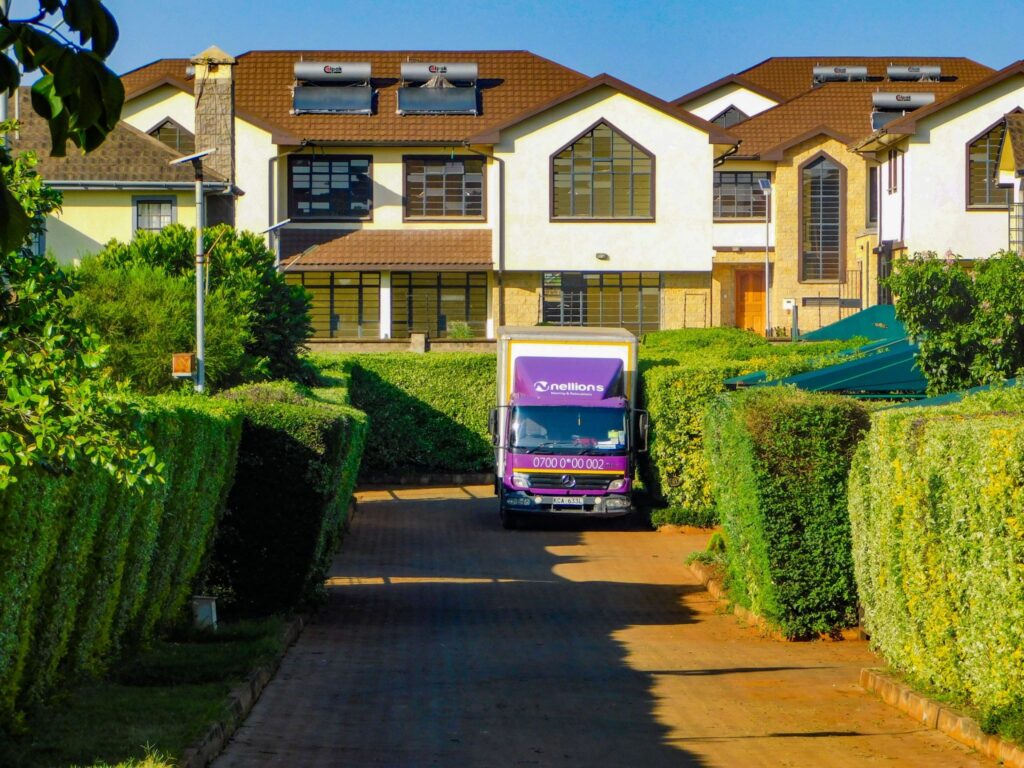
Whether you choose to build your dream home from the ground up or buy ready-made property, understanding the full scope of the investment ensures a smooth transition into homeownership. Planning for these hidden costs early allows you to enjoy your new space without financial surprises.
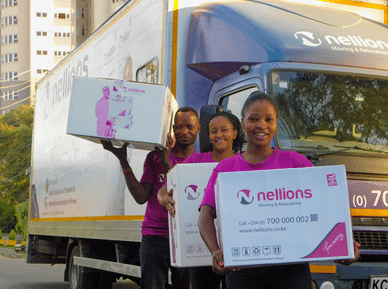
When you are ready to make the move, Nellions will always be at your service. As an IAM-certified moving partner, we handle the heavy lifting so you can focus on settling in. Our expertise goes beyond just packing and transportation; we offer specialized post-move services, including the professional handling of fine art and mirrors and furniture installation to give your home that perfect finishing touch.
Ready to start your journey? Contact us today via +254700000002 or email move@nellions.co.ke for a free moving quote.
Let Nellions take the stress out of your move.