




Storage units are a practical solution for homeowners and office managers who need extra room for their belongings or are looking for a safe place to keep stuff during a move. However, to keep customers, staff, and adjacent units secure, there are certain items that cannot be placed in a storage unit. Additionally, not many storage facilities in Kenya are climate-controlled, meaning you risk potential heat damage, mold growth, and pest infestation with those items in storage.
This list excludes only items such as wines and certain artworks that can be safely stored in climate-controlled storage units.
The following are items to avoid keeping in a storage unit;
1. Food and Pantry Items
Dairy products, canned goods, baked goods, snack foods, sealed pet food, and dry staples such as rice and flour are best kept at home. While storage units in Nairobi are professionally cleaned and well-maintained, they aren’t designed to function as pantries. Some of the foodstuff may spoil, leak, and attract pests or rot and produce mold and unpleasant odors.
2. Live House Plants

Lack of sunlight, water, and airflow for the plants will cause withering, and live plants attract insects or vermin. If it’s impossible to move with house plants, you can sell them or donate them to your friends or relatives.
3. Corrosive or Flammable Materials
To minimize fire risk, storage companies in Kenya don’t allow combustible materials such as kerosene, paint thinner, rubbing alcohol, cooking oil, matches, compressed gases such as cooking gas cylinders, and fireworks in their units. Oxygen tanks and carbon dioxide canisters are prohibited.
Corrosive items such as acids, bleach, antifreeze, and batteries are not allowed. Because temperatures are sometimes not tightly controlled, especially with self-storage, unexpected reactions can occur and lead to serious issues such as toxic fumes or fires. Most storage units are maintained at temperatures ideal for household goods, not chemicals – even a small leak can ruin your belongings.
Remember, if the worst happens, keeping corrosive or flammable goods in your unit gives insurers grounds to deny your claims, and you might even be liable for criminal charges for endangerment. Beyond destroying your own stuff, fires and fumes can spread to nearby units, leaving you liable for additional criminal charges.
4. Stolen or Illegal Items
Storage units will not help you hide stolen goods. Storage facilities in Kenya are well-monitored and their personnel are at liberty to inform the police in case of any suspicion.
Illegal items or unlawful substances such as illegal drugs, unlicensed medicines, and unregistered vehicles are also prohibited. Anyone caught storing stolen or unlawful items will not only face criminal charges but may also be sued by the storage facility as well.
5. Weapons and Ammunition
Most storage companies do not allow firearms, bullets, and shells because they pose an unnecessary health and security risk. Besides bullets being combustible, the storage facility may become a target for criminals who cannot legally purchase a firearm.
6. Tires
Many facilities in Kenya don’t allow tires unless they’re mounted on a vehicle. Unsecured tires are hazardous due to the risk of fire – fires that are extremely hot and difficult to suppress. Additionally, at any one point a facility is forced to auction your belongings for reasons such as to offset unpaid rent arrears, they might find it difficult to dispose of your tires.
7. Cash and Jewelry/High-Value Items
While storage facilities have robust security measures, they’re still not as secure as a bank vault. Money, jewels, and other high-value items are better protected from theft in a safe or financial institution.
8. Wet or Damp Items
Storage units are mostly dark and enclosed. Keeping wet or damp items introduces moisture which makes it an ideal environment for mold and mildew growth and unpleasant odors over time. This not only ruins property but also spreads to adjacent units, increasing cleanup costs.
Always ensure everything in your store list is dry before storage. Use breathable storage bags or covers as opposed to plastic wraps that trap humidity. You can also throw in anti-mold absorbent sachets to trap moisture and keep your unit dry.
9. Pets or Animals
Storage units are designed for the care or housing of animals, alive or deceased. They lack temperature control, free air flow, and basic welfare conditions. It’s ethically wrong and illegal.
If you’re moving with pets and cannot find space for them at the moment, consider giving them out to friends or relatives or a licensed animal shelter for a chance at care and adoption.
10. Personal Documents
Documents that contain private and confidential information such as birth certificates, passports, marriage certificates, and bank statements are better off in a safe deposit box at an insured bank. While storage units are generally well-secured, protecting your identity and not merely your belongings requires the strongest level of security.
11. Scented Items
Avoid storing scented candles and strong-smelling products in your storage unit. These types of products can attract rodents and insects, and can also easily transfer their smells to your other stored belongings. Consider keeping strongly scented items in sealed containers at your home, where you have full control over the environment of your storage.
Also, for practicality and space issues, keep hygiene items and effects at home where they’re regularly used.
12.Sentimental Items
Never keep sentimental items, or anything that deteriorates with fluctuating temperatures and humidity such as photographs, paintings, and books in storage. Books can yellow and retain odors, and photos may discolor and even stick to each other. Use airtight and watertight bins to preserve them instead.
13. Sensitive Electronics
Sensitive electronics such as running computer servers may need specific temperature and humidity levels to avoid damage, which are not always guaranteed in standard warehouse conditions.
Common Storage Misconceptions
“It will dry up”
If your items are wet or damp before storing them, they won’t magically dry up in storage. This includes the inside of kitchenware or appliances – ensure your fridge, freezer, or washing machine is fully defrosted, clean, and dry, or any dirt or food remains is removed before storing it.
“I can store anything since I’m renting the unit”
Although you have secure, solo access to your unit, you are renting it within a shared storage facility. Strict safety and insurance guidelines override the right to sole access.
“Everything is insured”
While Nellions offers storage insurance, storing anything illegal or prohibited is likely to have you miss out on your claims. If your items damage our store or other units, your insurance will pay out provided you’ve adhered to our terms and conditions, otherwise civil action might be pursued.
“I can just run my business from the unit”
You can only use your storage unit to keep business stock, equipment, or paperwork but cannot use it as business premises. Customers are not permitted to visit units to purchase goods or services.
Wrap Up
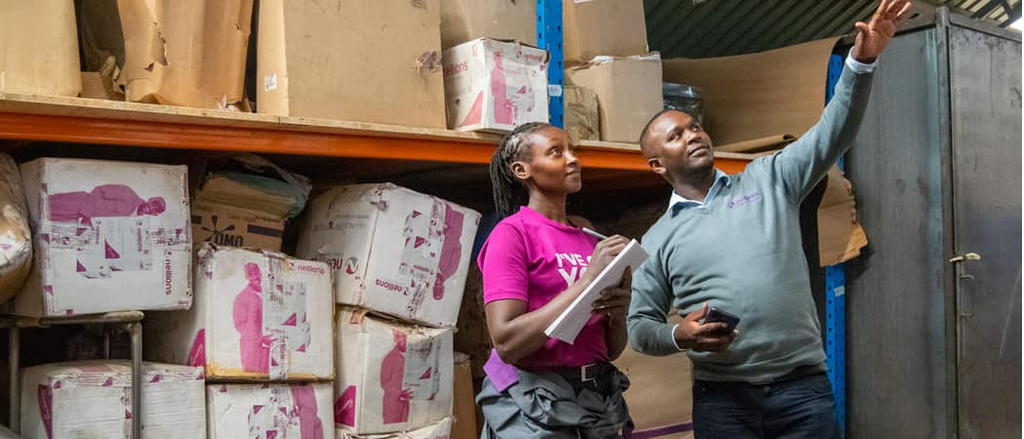
The list of items you should never keep in a storage unit can vary from one storage company in Kenya to another. Before settling on a reliable storage provider, it’s essential to find out what they accept and what they do not to properly assess your needs and budget and make an informed decision.
Nellions provides flexible contracts, insurance options, and professional packing services for individuals and organizations in Kenya. We also give tours of our storage facilities, which span 14000 square feet, so that you can be confident that your property will be well preserved.
Ready to secure reliable storage solutions for your office or household goods and items? Call us on +254700000002 or email move@nellions.co.ke for a free quote today.