





Safeguarding your furniture and appliances takes more than just stacking boxes and locking the unit when it comes to long-term storage. Without careful preparation, your valuables can suffer damage from humidity, extreme temperatures, dust, and pests. Whether you’re storing your belongings during a home relocation, work deployment, college break, downsizing, or simply need extra space, taking a few extra steps gives you more control over the condition and organization of your belongings.
At Nellions, we understand just how important it is to keep your cherished pieces as fresh as the day you packed them away. So, here are a few practical and proven tips to help preserve household goods in long-term storage.
1. Choose the Right Storage Unit
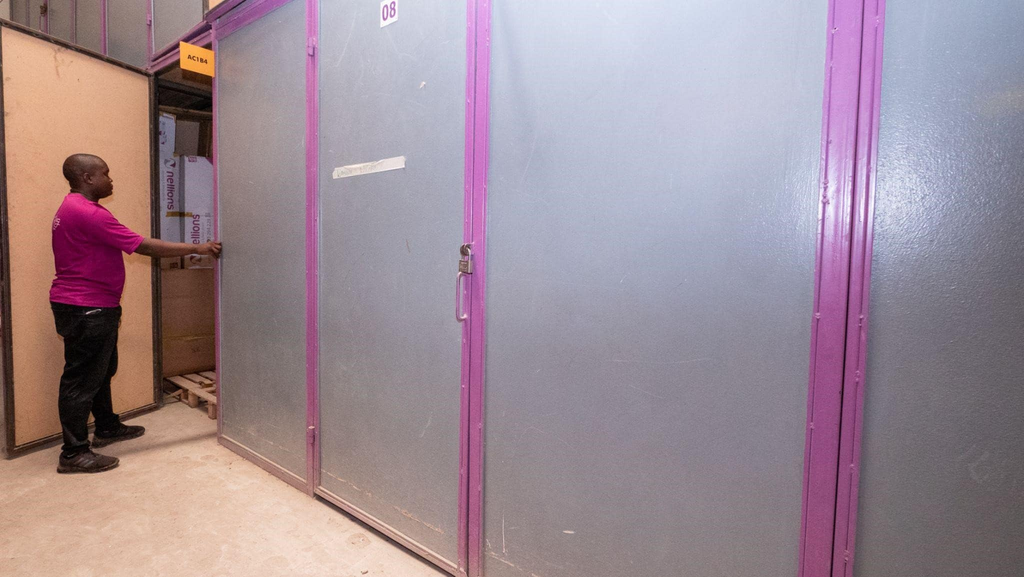
Not all storage units are equal. Once you settle on a reputable storage company in Nairobi, ensure you select the proper unit for the belongings you want to store.
For sensitive items such as antique furniture, artworks, and certain electronics, climate-controlled storage units are highly recommended. These units maintain consistent temperature and humidity levels, helping to prevent warping, cracking, and mold and mildew growth – common issues in non-climate-controlled spaces.
Some questions you can ask your provider:
- Are there humidity controls or dehumidifiers?
- Is the unit temperature regulated?
- Do they perform regular pest control?
Look for a facility with strong security measures and cleanliness standards for extra peace of mind on how they will handle your belongings.
2. Clean and Dry Out or Drain Everything Thoroughly
Clean off dirt, debris, oils, and moisture before placing anything in storage. This helps prevent staining, rust, mold, lingering odors, and pests.
Fully defrost freezers and refrigerators. For microwaves and dishwashers, clean and dry all internal components and leave appliance doors slightly open to allow airflow.
It’s also important to;
- Remove and clean filters or detachable trays.
- Drain water from tanks or hoses (e.g., washers, ice makers).
- Secure cords and hoses with zip ties or tape, and store them inside the appliance or nearby in labeled bags.
3. Use Quality Packing Materials
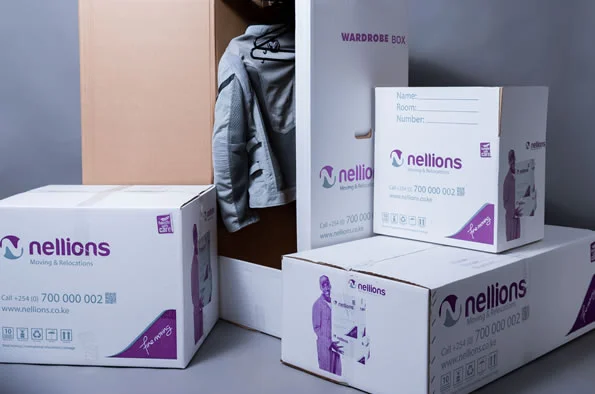
Don’t skimp on professional-grade packing materials if you’re serious about long-term preservation. High-quality, sturdy boxes, plastic bins, and padded wrapping materials safeguard fragile items and protect them from shocks and abrasion during transportation.
Use clear labels for every box. Clear labels and an inventory list help you pinpoint where each item is stored, allowing you to retrieve what you need without rummaging through everything. This smart organization reduces the risk of accidental damage caused by digging and shuffling around.
4. Use Moisture and Pest Control Solutions
Even in climate-controlled units, it’s recommended to use additional protection, such as absorbent silica gel sachets or desiccant bags to help control humidity and reduce the mold risk
If you prefer self-storage units, consider checking on your items periodically. You can make slight adjustments such as moving sensitive items such as wood or paper away from external walls or windows during extreme weather conditions outside.
Before sealing your unit door, check the space for cracks, holes, or openings. Applying non-toxic pest-repelling sprays, setting up deterrents, and using sealed containers can discourage insects and rodents from moving in. Regularly scheduled inspections are key – spotting a problem early makes it far easier to deal with than after the damage is done.
5. Disassemble When Possible
Taking apart larger furniture pieces can make storage more efficient and safer for the items. Disassembling beds, tables, or shelving units:
- Reduces the risk of breakage
- Makes transport and stacking easier
- Minimizes stress on joints and connecting pieces
Keep screws, bolts, and hardware in clearly labeled bags and tape them securely to the appropriate furniture piece, or store them in a small container you can keep with your other essentials.
6. Protect Surfaces with the Right Materials
Avoid using plastic sheeting directly on mattresses or furniture as it can trap moisture and cause mildew growth. Use breathable materials instead:
- High-quality ventilated mattress bags for storage
- Bubble wrap for glass and fragile items before carefully placing in a box labeled fragile
- Moving blankets, cotton sheets, or specialized furniture covers for wooden furniture
7 Avoid Overpacking and Overstacking Cartons
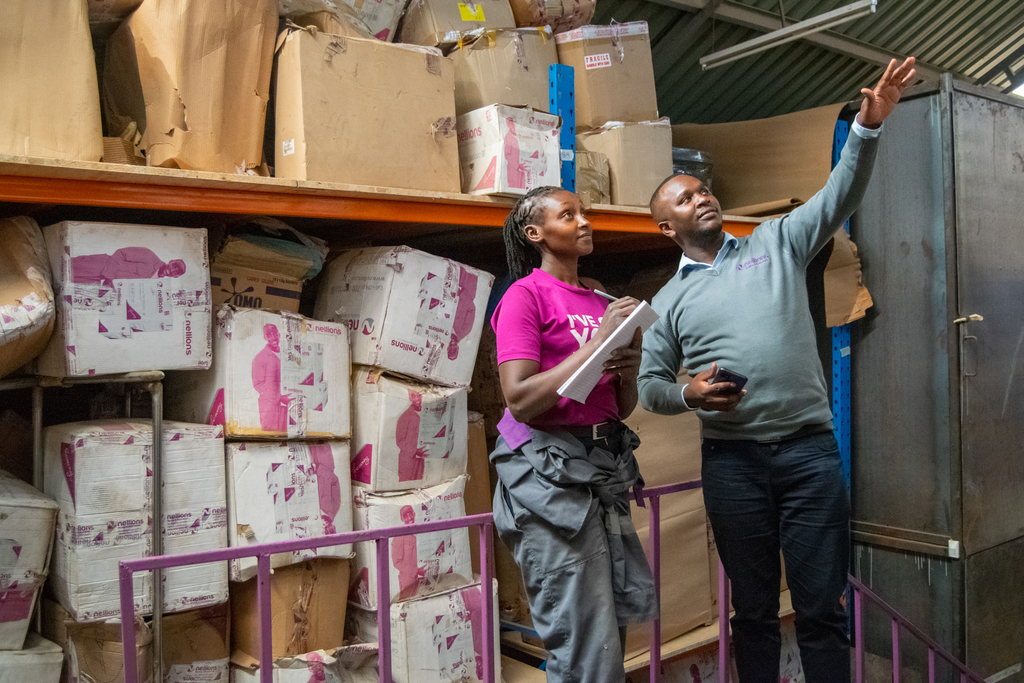
While it’s tempting to maximize every square inch of your storage unit, overstacking can lead to crushed items, warped furniture, or toppling boxes. Heavy items like sofas or appliances should go on the bottom, while lighter, more fragile boxes or accessories can be safely stored on top.
Leave a few inches between items and the walls of the unit to allow airflow. Consider creating a center aisle or clearly labeling boxes to easily access what you need without shifting everything.
8. Keep Boxes and Items Off the Floor
To protect your belongings further from flooding or condensation, use pallets, furniture sliders, rubber mats, or plastic shelving to avoid placing them directly on the ground. For areas that are prone to heavy rains and extreme temperature swings, this hack can add extra peace of mind.
9. Fire Safety and Warehouse Maintenance
For safety reasons, no flammable or combustible items should be stored alongside your other household goods. Additionally, warehouse maintenance is regularly scheduled on a calendar to ensure the ongoing safety, care, and protection of all stored items.
10. Check Your Insurance Coverage
Make sure your storage unit and its contents are covered by your homeowner’s or renter’s insurance, or see if your storage facility offers optional coverage. It’s a small cost that can protect against big losses in the event of an emergency.
11. Document and Inventory Your Belongings
Before locking the door, list everything in storage in a spreadsheet or use an app and take photos for reference. Write down;
- What’s stored
- Condition at the time of storage
- Approximate value
This can be helpful for insurance claims, peace of mind, or locating items later.
With the right combination of a well-chosen facility, smart packing, environmental controls, and vigilant maintenance, preserving the integrity of your goods in storage is entirely within reach. By keeping dust, moisture, temperature fluctuations, pests, and other hazards at bay, you’re making sure your items remain as immaculate as they were on day one.
When the time comes to retrieve your belongings – whether it’s months or years later – you’ll find them ready to slip seamlessly back into your life. That’s the real value of proper preservation: protecting not just your possessions, but the memories and future use they represent.
Partner with Nellions for Trusted Managed Storage Services in Kenya
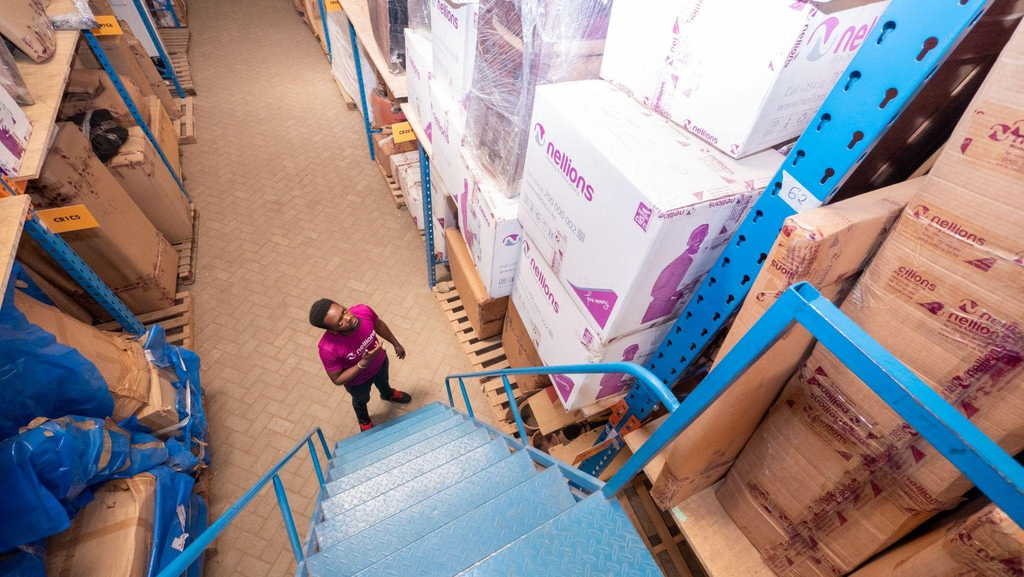
Nellions takes the stress out of short-term and long-term storage services by providing a fully managed, secure, and controlled environment for your valuable items. Unlike standard self-storage units, Nellions’ professionally maintained facilities shield your belongings from dust, moisture, and pests, ensuring they remain in pristine condition. Our robust security systems and strict access protocols also guarantee peace of mind.
We do expert packing, efficient labeling, and ongoing inventory management, always delivering a seamless, worry-free storage experience – the gold standard for clients who expect only the best in Kenya.
Need secure, premium storage in Kenya? Contact us on +254700000002 or email move@nellions.co.ke to book a unit today.