


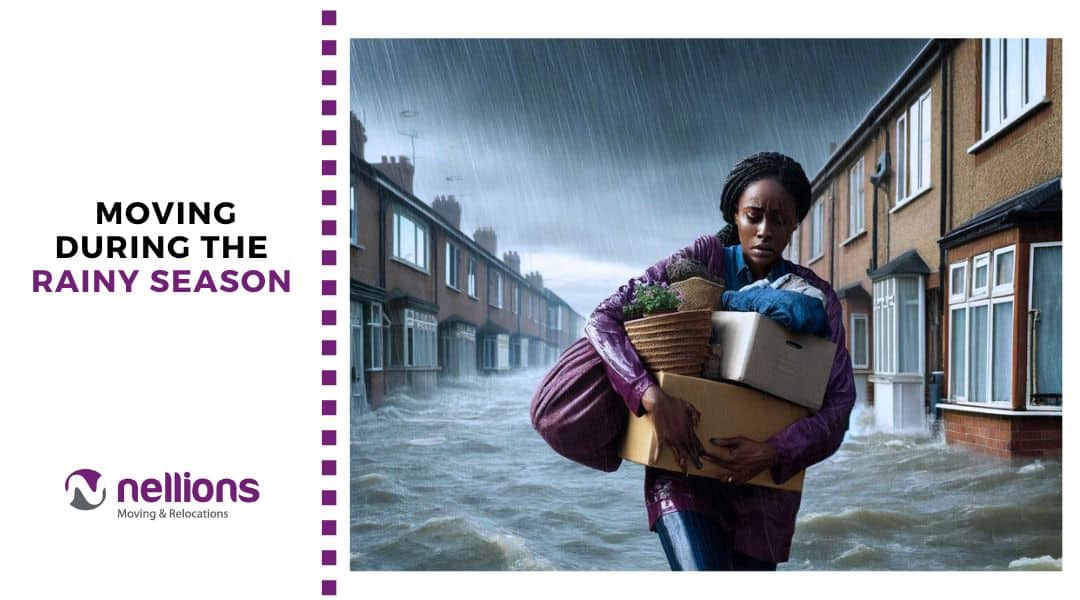
Moving homes in Kenya can be a tedious process, and it can get even more stressful if you’re moving during the rainy season. Rains in Kenya come with a lot of uncertainty, from power interruptions preventing movers from testing electronics to kids playing house with our moving boxes since they can’t go outside.
With recent intense flooding, especially in Nairobi, there is an urgent need to carefully plan and execute home relocations in Kenya under such conditions. This article guides you through house moving in Kenya during the rainy season to ensure safety and efficiency.
Risks of Moving Houses in Kenya During the Rainy Season
The rainy season comes with many challenges for movers and their clients. Common issues include delays due to unexpected downpours, potential damage to belongings from water infiltration, and increased risk of accidents.
This year, the rainy season has been particularly severe, with widespread flash floods affecting parts of the country, including Syokimau-Katani Road, Muthiga Estate, and sections of Langata Road. These conditions can disrupt even the best-laid moving plans and require special attention to detail and preparation.
Areas prone to flash flooding pose a significant risk. Home relocations in Kenya during periods of flooding can be hazardous, with water levels rising quickly and unpredictably. Roads can become impassable, and many homes might be at risk of being cut off from essential services such as electricity. It’s crucial to understand these risks thoroughly to mitigate them effectively.
In the next sections, we cover proper pre-move planning, packing your belongings for maximum protection, and other tips for moving houses in Kenya in the rainy season.
Tips on Moving Houses in Kenya During the Rainy Season
Once you know there’s a chance of heavy rains on your moving day, careful pre-move planning is your best defense. Here are some practical tips to keep your move on track;
1. Check the Weather Forecast and Adapt Your Schedule
The first thing to do is follow the weather forecasts in the weeks and days before moving houses in Kenya and continue checking as the day approaches. The Kenya Meteorological Department website provides accurate forecasts that can help you avoid the worst of the season’s downpours.
If there’s a good chance of heavy rain, consider adjusting your moving timeline, hiring additional help, or checking in with your residential mover.
The best days to move homes during the rainy season in Kenya are typically in the first days or early weeks. Always consider moving during the early morning hours as the weather is clearer, unlike in the afternoon when the heaviest showers occur.
An early start also provides extra time to address any unexpected challenges that may arise due to the weather.
2. Hire Experienced House Movers
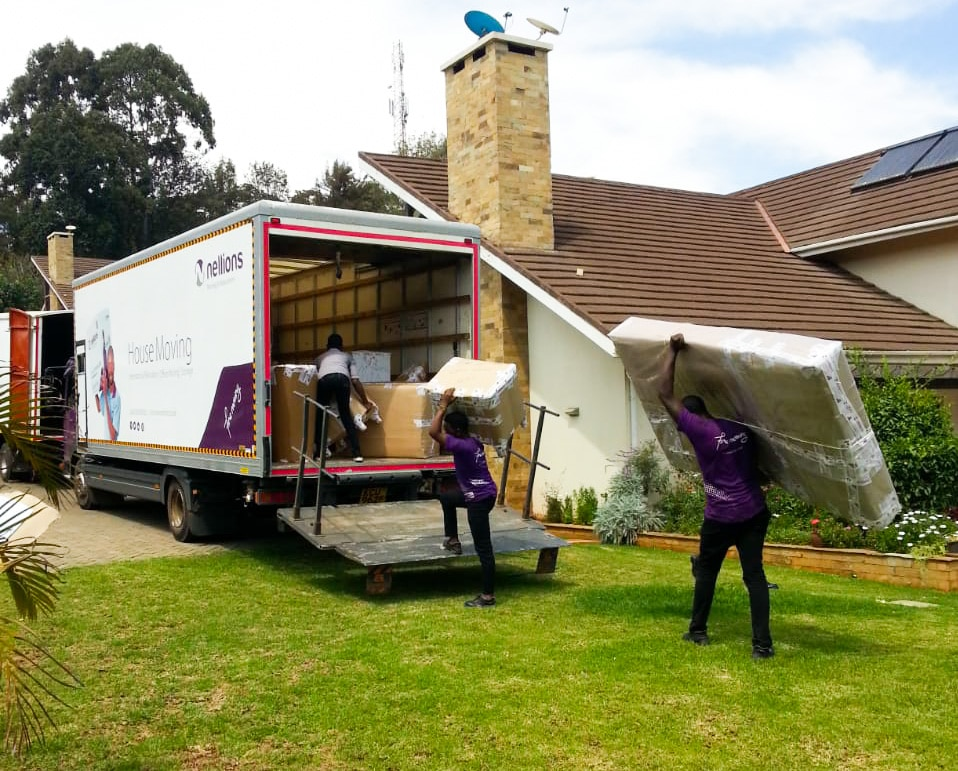
Working with a reputable company with experience in moving individuals and families during the rainy season will ensure you have a stress-free relocation. Experienced residential movers in Kenya have encountered rainy season challenges many times before and are better equipped with the resources to handle unforeseen weather issues.
3. Use Waterproof Packing Materials
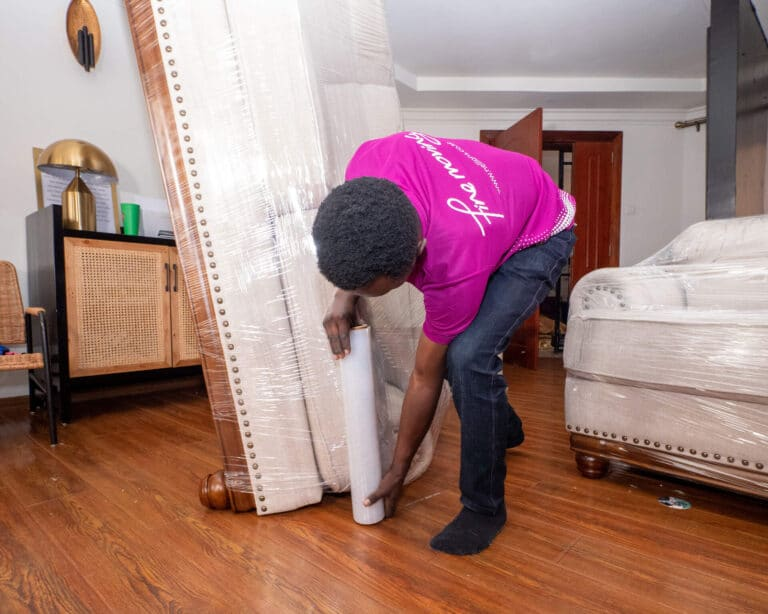
Plastic bins, waterproof heavy-duty packing bags, and plastic wrap provide additional protection against moisture. Standard cardboard boxes are ill-suited for rainy weather as the bottoms may collapse mid-move. If you still plan to use cardboard boxes, use duct tape to reinforce the seams and edges for a better moisture resistance.
For books, documents, and other water-sensitive items, ensure you wrap them in plastic bags before boxing them up.
4. Safeguard Electronics and Valuables Before Moving in the Rainy Season
Electronics are highly susceptible to water damage. Use plastic wraps to cover televisions, laptops, microwaves, and speakers before padding them for extra protection. You may also put them in zip-sealed plastic bags or waterproof containers.
Artwork and other valuables should also be wrapped in plastic and placed in hard-shell cases if available.
5. Declutter and Seal Open Boxes and Containers
Moving houses in Kenya during the rainy season can work better for you if you don’t have as many items to move. Before the moving day, go through your home and evaluate what belongings you truly need and must take with you. You could donate or sell the rest if you no longer need them or put them in a self-storage facility temporarily if you’re not sure.
Decluttering helps speed up the packing process and strips down what you’ll need to carry during rain exposure.
Once you have packed all the items in boxes, make sure the edges and seams are well sealed to provide additional protection against moisture.
Bind or secure any loose items to keep walkways clear throughout, especially when it’s muddy and wet.
6. Have an Emergency Plan and Take Protective Measures
It’s essential to have an emergency plan: request contact details for your local mover, local emergency services such as tow-trucks, and be keen on weather updates. Have a rainy-day kit that includes waterproof clothing, extra towels, plastic sheets, and umbrellas anyone can use so they stay dry when handling the move.
On move day, keep all entrances and pathways as dry as possible. You can lay down large tarps, plastic mats, or old towels to create pathways for movers to walk through. This reduces the risk of slipping or having accidents.
You could have some movers inside the house and some outside so they can pass moving boxes to one another without having to walk in the house with wet or muddy shoes.
7. Research Your New Home Before Moving Houses in the Rainy Season
Before deciding to move houses in the rainy season, ensure you research whether the new area you’re moving to is prone to flooding. This is especially crucial in Kenya’s current climate. You can access historical flood data and information on mitigation measures and drainage systems via local government offices or real estate websites.
If possible, visit the property during rainy days to observe firsthand how the surroundings hold up in heavy rain. Pay close attention to water accumulation around the building and the condition of the nearby roads and infrastructure. This will give you valuable insights that might not be apparent in dry weather.
For even better historical context and advice on the new area’s weather patterns, you could engage with the area’s locals, real estate agents, and urban planners.
8. Prep the Moving Truck for Wet Conditions
Before you start loading, line the interior of the moving truck with large tarps, pieces of cardboard, or blankets to protect the items from dirty or damp surfaces. This also adds grip underfoot to prevent movers from slipping and injury.
Start with loading the most weather-sensitive items at the back of the truck to allow for efficient loading and unloading. Work as fast as you reasonably can, remember the less time the moving truck door stays open, the drier everything stays.
9. Factor in Unexpected Costs from Rain Delays
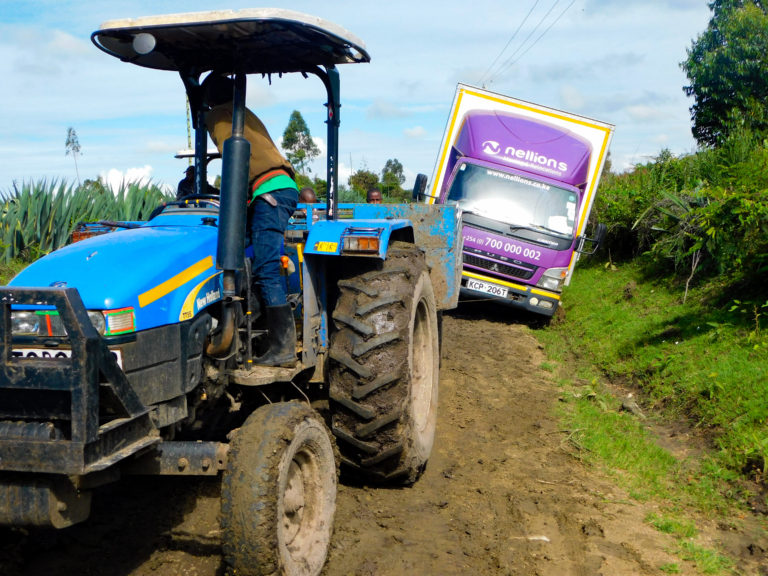
Rain can substantially slow down the moving process. It’s crucial to understand how unpredictable weather can factor into your final house moving bill to better prepare for potential expenses.
For example, movers might need extra time to navigate slick walkways, or they might even get stuck and need tow truck services. If you’re being charged by the hour, this can significantly inflate your costs. If you’re hiring professional house movers in Kenya, request a quote that accounts for potential weather disruptions.
Consider the need for extra moving supplies and potential for extra labor when planning your budget. Thus, you will have a clearer understanding of your expenses and avoid surprises later.
11. Post-Move Tips
If it’s still raining when you get to your new home, find a dry, covered space in the house for wiping down boxes and furniture before bringing them inside. Use towels to thoroughly dry off items that may have gotten wet in transit. Address moisture issues immediately to avoid damage, especially to wooden furniture and electronics.
Sometimes, even with the best precautions, some moisture may get into boxes. If any boxes or items feel damp, unpack them as soon as possible. You can place absorbent silica gel sachets or desiccant bags to soak up moisture from damp areas. Additionally, you can set up dehumidifiers or fans to accelerate the drying process.
After the move is complete, take a moment to reflect on the process. What went well? What could have been improved? Documenting your experiences can provide valuable insights into future moves, especially under similar weather conditions. Evaluating the moving process also gives valuable feedback to your moving company so they can refine their services for rainy season relocations.
Home Moving in Kenya with Nellions

Moving houses in Kenya during the rainy season requires early preparation and extra vigilance. By understanding the risks and taking proactive steps to protect your belongings, you can enjoy a hassle-free move to your new residence.
Nellions provides specialized emergency moving services that address sudden weather changes and other unexpected challenges. With over 12 years’ experience and over 15000 families moved, we are committed to making your residential move a breeze.
Contact us today at +25470000002 or email move@nellions.co.ke for a free survey.
Happy moving!
Frequently Asked Questions
Plan to start in the early morning. In Kenya, heavy showers typically occur in the afternoon, so an early start helps you avoid the worst downpours and provides extra time for delays.
Reinforce all seams and edges with duct tape to improve moisture resistance. For maximum protection, use plastic bins or heavy-duty waterproof packing bags instead of standard cardboard.
Wrap items like TVs, laptops, and microwaves in plastic wrap or place them in zip-sealed bags before adding padding. This prevents water infiltration which can cause permanent damage.
Yes, though it’s better to declutter before the move. Reducing the number of items means less exposure to the rain and a faster loading process. Consider selling, donating, or storing items you don’t immediately need.
Lay down large tarps, plastic mats, or old towels at entrances. You can also have one team stay outside to pass boxes to a team inside so no one walks across your floors with muddy shoes.
Research historical flood data via local government offices or talk to residents in the area. If possible, visit the property on a rainy day to see how the drainage and access roads hold up.
Keep waterproof clothing, umbrellas, extra towels, and plastic sheets easily accessible. This ensures everyone stays dry and has the tools to wipe down wet items immediately.
Line the floor of the truck with tarps or blankets to protect your furniture from damp surfaces. This also provides better grip for movers to prevent slipping.
It might. Rain can slow down the process. Delays or the need for extra labor can increase the bill. Always request a quote that accounts for weather disruptions.
Unpack damp boxes immediately to prevent mold or damage. Use fans or dehumidifiers to speed up the drying process, and wipe down furniture right away to protect wood and upholstery.