




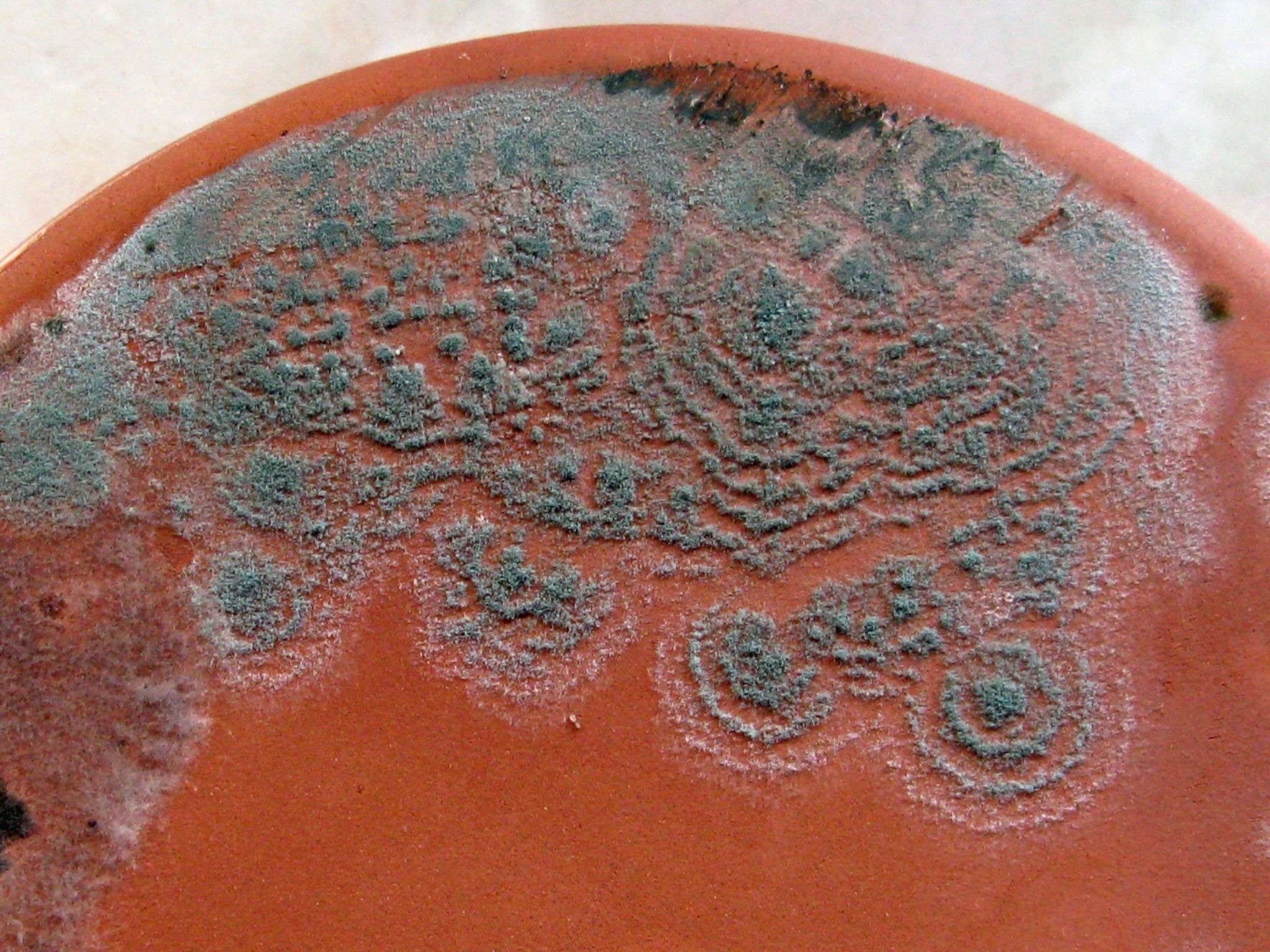
While the moving process can leave your possessions thoroughly worn out, the subtle yet destructive threat of mold and mildew is often overlooked. Whether you’re moving within Nairobi or across international borders, awareness of the dangers of mold and mildew and preventive measures will save you from avoidable repair expenditure and stress.
In this article, we highlight the difference between mold and mildew, how it can damage your shipment, and steps you can take to minimize the risk.
What are Molds and Mildews?
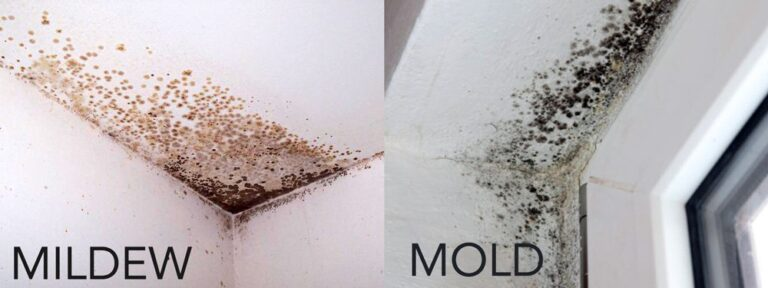
Mold is a black or green fungus that grows in warm and moist places. It feeds on organic material, growing mostly on food, walls, artwork, and wood. Mildew is mostly white or gray. It grows on the surface of moist areas – paper and fabrics, mainly.
Mold and mildew are both microscopic, mostly occur together, and reproduce by means of highly invasive airborne spores. Under viable temperature and humidity conditions, these spores can multiply quickly, forming colonies that create the visible mold and mildew growth. This creates unattractive stains, unpleasant odors, and can sometimes weaken the material stability of garments and wooden items.
A DIY hack for differentiating between mold and mildew is dripping a few drops of household bleach on the affected area and waiting five minutes:
- If the spot remains dark, it’s moldy.
- If it lightens up, it’s mildew.
Steps to Preventing Mold and Mildew
Your possessions are more likely to be susceptible to mold and mildew during long-distance moves or from one climate to another. Usually, when your household goods are wrapped tightly and packed in boxes to protect them from damage, there’s a chance of mold and mildew growth. When items are enclosed in a warm, moist environment, spores might start to bloom.
Here are some professional tips that can save your belongings:
1. Reduce Humidity Before Packing
In the weeks leading up to your move, use dehumidifiers and air conditioners to reduce moisture levels in the air so your items are dried out and less prone to mold and mildew. Be particularly mindful of where you place items you intend to move: avoid damp floors, basements, and attics.
2. Ensure Proper Ventilation
Proper ventilation is the key to controlling indoor humidity levels and ensuring adequate airflow, which is critical to preventing mold and mildew growth. For short-distance moves and temporary storage, either use breathable boxes and containers or avoid sealing cardboard boxes with clothes or goods that retain any moisture.
3. Use Moisture-Absorbent Bags
Moisture-absorbent bags are a simple and cost-effective way of reducing moisture in enclosed spaces. Made of silica, you can hang the bags inside a wardrobe box or place them with packed leather, paperwork, or clothes.
With these desiccant bags, you have an additional layer of defense for long-distance and international relocations. The chances of mold and mildew developing on your items will be much lower as a result of the desiccant’s superior moisture control capabilities.
4. Use Silica Gel Packs
Silica gel packs hold silica, a drying agent that adsorbs moisture from the air in confined spaces. When storing or packing items, especially those made from fabric, paper, or leather, remember to insert the gel packs or pouches in the boxes or containers. Our silica gel packs are especially beneficial for footwear, handbags, and paperwork.
5. Choose the Right Packing Materials

Avoid using plastic bags and non-breathable materials for all your items, as they can trap moisture and create a favorable environment for mold and mildew growth. Use cotton sheets and moving blankets. Visit Nellions Shop today for quality packing materials, from acid-free wrapping paper to moving boxes.
Sometimes, even with best practices in place, mold and mildew can develop out of nowhere, especially if you’re moving across different climates. Think of moving from Nairobi to Mombasa. If you find out that mold and mildew have formed on your items after the trip, you will need to act fast to save them.
For clothes and textiles, wash with warm water and detergent to remove mildew stains. Leather products usually require specialized solutions, mostly by professionals. Books and paperwork are more complex; wipe delicately with a dry cloth or carefully vacuum with a specialized attachment.
It’s advisable to check your professional home mover’s insurance policy if you think you have something you could lose to mold and mildew during transit or storage. You might want to consider buying extra insurance if you’re shipping or moving valuables to cover mold and mildew damage. The extra insurance can give you extra peace of mind that your property will arrive at your new destination home in pristine condition.
Mold and mildew are an inherent risk that is typical in many relocations. However, with these tips and proper moving insurance coverage, chances are that you will get your items at your new home in one piece.
Please don’t hesitate to contact Nellions Shop or visit to order quality packing supplies and solutions for mold and mildew elimination and moisture control.
Headaches, sinus congestion, respiratory issues, and irritation in the eyes, nose, or throat are just some of the serious health concerns that can result from living in a moldy home. In fact, infants and children, as well as pregnant women, elderly people, and anyone with existing respiratory conditions are at a higher risk for suffering the wrath of mold and mildew.
Despair not, however, for the truth is that mold is everywhere in nature. Indeed, you are bound to encounter it sooner or later, especially if you are planning to move to a humid destination.
Just because you have mold does not mean that you will experience health problems. But while symptoms can be minor or nonexistent, it is a good idea to get ahead of them, especially if you or someone in your family has allergies or chronic lung illnesses, or belongs to any of the higher risk categories described above.
This article shall delve into issues to do with:
- Locating mold and mildew
- Removing and cleaning it up
- Preventing its growth and spread
But before we get right into the meat of the matter, a quick breakdown of just what mold and mildew are.
Differentiating between mold and mildew

Mold and mildew are both types of fungi that are commonly found in the home environment. Mold grows in the form of black or green patches which penetrate from beneath the affected material/surface. Mildew, on the other hand, is a specific type of mold that appears grey or white; and has flat growth which remains on the surface — making it easy to remove. Sometimes, people use the term mildew to refer to mold growth.
For better context, mold usually grows on food or inside permanent structures such as walls and crawl spaces; while mildew can be found on damp surfaces, paper, fabrics, and various organic materials in the home. Since there is very little difference between mold and mildew, you would not be wrong in pointing out that mildew is just molding in its early stage.
Locating mold and mildew
Even without the health complications that can arise from moving into a house with a mold and mildew problem, the fact that these fungi break down and destroy whatever they grow on is enough incentive to locate and exterminate them.
Household surfaces such as wood products, wallpaper, ceiling tiles, carpets, cardboard, and even plants and food are ripe spots for mold and mildew infestation. It is important, therefore, to start checking areas where there could be high humidity or water damage.
Mildew and mold will grow and develop on damp surfaces within 24 and 48 hours and proceed to produce spores that travel through the air. Thoroughly inspect areas that are wet and dark, and pay close attention to your bathroom.
You should be extra vigilant if you discover the house you are moving into has poorly sealed windows and door frames, leaky pipes, or holes in the roof. All in all, mold that needs cleaning is easily detectable as it will be visible and has an earthy, musty odor.
If you are unsure whether it is mold or mildew you are dealing with when you encounter some fungi in the house, drip a few drops of household bleach on the affected area for a DIY home test, wait about five minutes, and then take a look at the spot:
- If the area turns lighter, the issue is mildew
- If the area remains dark, you have a mold problem
Cleaning up mold and mildew

Mold and mildew are part of the natural environment and can be found both indoors and outdoors. They are not usually a problem, unless they begin growing indoors. The best way to control mold and mildew growth, then, is to control moisture.
The fungi must be cleaned up, and the sources of moisture eliminated.
Because mildew is a surface fungus, you can easily treat its occurrence on hard surfaces with a commercially available cleaner and the vigorous use of a scrubbing brush. But you do need to ensure you are working in a well-ventilated area with a facial mask on to prevent inhaling mildew spores.
As you clean even the surrounding areas of the mildew spot carefully to ensure successful removal of the fungi, you might want to wear rubber gloves to safeguard your hands from both the mildew and the cleaning agent you will be using. Dry the affected area completely after washing.
There are also ways to deal with mildew that occurs on soft surfaces. If on fabrics or rugs, you should brush off the mildew spots as soon as you discover them to prevent the weakening or rotting of the fabric. Carry out this operation outdoors whenever possible so that you do not scatter fresh mildew spores in the house.
If the mildew stains remain, sponge them lightly with thick suds and wipe them off with a clean damp cloth. The objective here is to use as little water as possible so that if the item is your mattress or upholstery, it doesn’t get wet.
You could also use a mix of diluted alcohol comprising one cup of rubbing alcohol to one cup of water to remove mildew on upholstered furniture. Once you have wiped the fabric with a cloth dampened with the alcohol mixture, you should proceed to dry it thoroughly. You may use an electric heater and a fan to dry these items and carry away moist air or leave them out in the sun and fresh air for an hour or two.
Getting rid of a mold problem, on the other hand, is a bit trickier. Mold attaches itself to the affected material with microscopic filaments that penetrate beneath the surface; its spores can survive in extreme conditions; and they spread very easily — meaning that mold will quickly affect large areas of your house and result in permanent damage.
Because mold is only visible when its colonies start growing, it can be quite difficult to achieve early detection and prevention. And since mold usually grows in areas that are difficult to access and treat, in addition to having negative effects on people’s health, DIY removal attempts are not recommended. Instead, it is advisable to consult with professionals who can remove the harmful fungi.
Preventing the growth of mold and mildew
Keep your home free of mold and mildew by embracing preventive measures such as:
- Getting rid of musty odors
- Waterproofing and getting rid of dampness
- Fixing plumbing leaks as soon as they occur
- Storing items in dry and well-ventilated areas
- Cleaning the fabrics in the household routinely and keeping them dry
- Regularly checking and preventing rainwater from seeping into your home
- Using air conditioners, fans, and dehumidifiers, as well as opening windows to promote aeration and proper ventilation to reduce moisture in the house
Remember, while fumigation might kill existing molds and mildew, it does not guarantee protection against future attacks. It is important, therefore, to remain vigilant especially if you have just recently moved or are planning to move into new house items that may have previously been exposed to mildew and mold.