




Ethiopia is one of the most populous nations in Eastern Africa, the second most populated in Africa, and the world’s most populated landlocked country with over 98 million people. The people are of over 80 ethnic groups, majority being the Oromo and the Amhara.
The country has a rich history and cultural heritage, including wide recognition as the birthplace of modern man over 20,000 years ago and the second country ever to adopt Christianity as a state religion in the 4th century. More recently in 1942, its highly popular leader, Haille Selassie abolished slavery in the country.
Moving to Ethiopia means setting foot in one of Africa’s most fascinating countries; both ancient with their unique calendar and also rapidly growing. Between the Capital frenzy of Addis Ababa, the Simien Mountains, the vast markets of Merkato, and the country’s dynamic economy, Ethiopia has a lot to attract and offer diplomats, expats, digital nomads, humanitarian workers, and adventurous retirees.
Kenya and Ethiopia share a robust bilateral relationship that continues to grow through shared security interests, deep economic integration, and long-standing diplomatic alliances. However, settling in the country for longer stays, especially involving work, requires adherence to a strict immigration framework.
Planning a cross-border move to Ethiopia from Kenya? Here’s what you need to know;
1. Documents You Need to Move to Ethiopia from Kenya
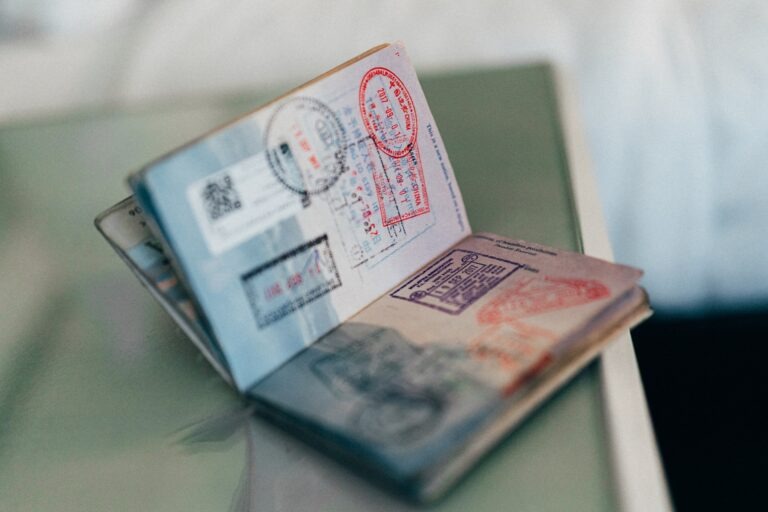
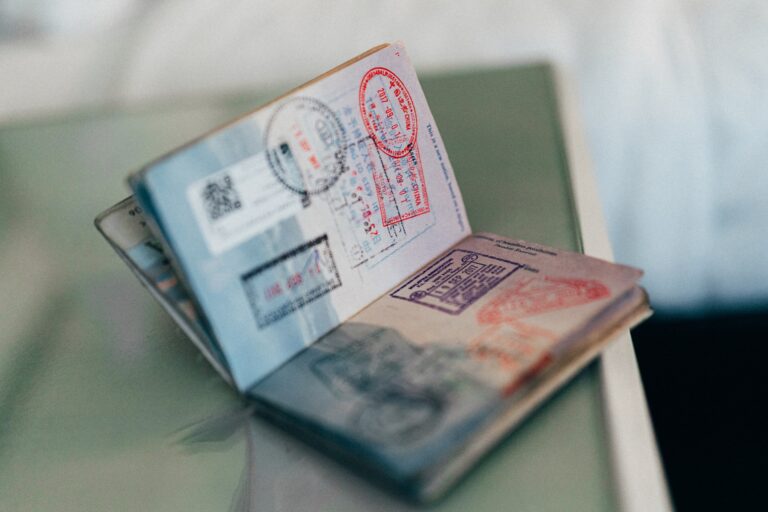
Foreign nationals require entry visas. Tourist stays of between 30-90 days are covered by the e-visa system; application is online and entry via Bole Airport in Addis Ababa. If you plan on travelling by land, it’s advisable to secure the visa entry well in advance.
If you’re going to engage in professional activity, your employer will typically handle the procedure for obtaining the following documents, which are interdependent;
- Work Visa – the first administrative step; it links to your local employer (company, NGO, university etc.)
- Work Permit – it authorizes your engagement in a professional activity. Issued by the Ministry of Labor, or where applicable, the competent sectoral authority.
- Residence Permit – renewed annually, it’s conditional to your work permit and is essential to your stay in Ethiopia.
Some documents you will require to import your household goods and personal effects include;
- Detailed packing list
- Bill of Lading or Road Waybill
- Ethiopian Customs import declaration
- Passport copy
- Work permit or residence visa
- Letter from employer (required for expatriate duty exemptions)
- Marine insurance certificate
Eligible diplomats and staff from recognized international organizations qualify for duty-free importation of their household goods and personal effects subject to meeting certain requirements. Unless covered by such diplomatic controls or employer exemption agreements, most other professionals have to pay applicable duties for their belongings.
Ethiopia is landlocked. Sea freight routes via Djibouti port with road transport to Addis Ababa. Road transport from Nairobi via Moyale is viable for certain move sizes and diplomatic shipments. UN and NGO staff should confirm duty exemption eligibility before shipping.
2. The Step-by-Step Moving Process
Free Home Survey and Quotation
Our surveyor will visit your home in Nairobi or conduct a virtual walkthrough to calculate the total volume in cubic feet or cubic meters. This will help determine the best shipping method: LCL or groupage consignments for small households and full container loads (FCL) for larger households.
The surveyor also checks for fragile high-value items that require specialized packing materials, access constraints for moving trucks, and generates an itemized quotation detailing freight cost, packing supplies, customs clearance, and destination port fees.
Documentation and Planning
One you approve the quotation; you will be assigned a dedicated move coordinator to handle every aspect of your move. At this stage you will put together essential official documents such as the Ethiopian Customs Import Declaration, Bill of Lading instructions, and detailed packing lists.
Professional Packing
Our trained packing team wraps, boxes, and crates your household goods and personal items using export-grade materials. Every single box, wrapped item, and loose piece is tagged with a numbered sticker corresponding to a comprehensive packing list detailing the contents and condition of the item.
Loading and Transportation
Your consignment will be carefully loaded onto moving trucks and transported to Nairobi or the port of Mombasa under our supervision. Our licensed clearing agents will present the export manifest, a detailed packing list, and tax compliance documentation to the Kenya Revenue Authority (KRA). Finally, after securing the export release, our agents will supervise the physical loading of the container with your shipment into the vessel.
International Transit
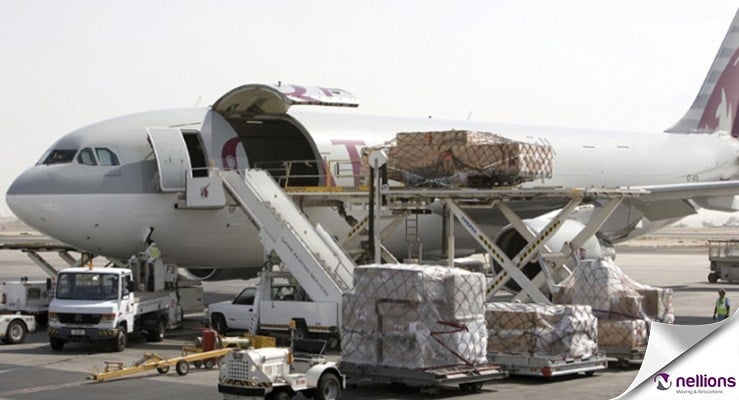
Your shipment travels to Addis Ababa via the Djibouti port (sea) or road via Moyale typically for 35-50 days and 20 days respectively. You will receive your bill of lading and tracking details for your shipment. Air freight takes 3-7 days.
Our partner agents in Ethiopia receive the shipping documents and submit the customs entry through the Ethiopian Customs. If Customs selects the container for random physical inspection, X-ray scanning, or agricultural checks, the agent coordinates the logistics at the port terminal and manages port authority fees to clear the cargo for release.
Delivery to Your New Home
Following customs release, the container is transported directly to your new address in Ethiopia. The crew unloads the items, places boxes in their designated rooms based on your instructions, reassembles standard furniture pieces, and unwraps large appliances. Full-service packages include unpacking and furniture assembly and placement.
Best Movers to Ethiopia: Nellions Moving and Relocations Company

Moving to Ethiopia offers an exciting opportunity to experience a higher quality of life, cultural diversity, and excellent public infrastructure. While the logistics and visa processes may initially seem difficult, thorough preparation and understanding of these aspects can help ease your transition.
Are you planning to relocate to Ethiopia from Kenya? Retain professional international moving services from Nellions Moving and Relocations Company to simplify your move. The IAM-certified company provides expert packing, customs clearance, and door-to-door shipping. With Nellions as your moving partner, your move to Ethiopia can be a rewarding and enriching new chapter in your life.
Contact us on +254700000002 or email move@nellions.co.ke to get a free moving quote.
Frequently Asked Questions
A: Sea freight from Mombasa to Addis Ababa via Djibouti port (sea) or road via Moyale takes N/A (landlocked – via Djibouti). Total door-to-door including packing, export customs clearance, sea transit, destination port clearance, and final delivery is typically 6–10 weeks. Air freight takes 1–2 days flight time.
A: Key documents include: a detailed packing list, Bill of Lading, Ethiopian Customs Import Declaration, passport copy, valid Ethiopia residence or immigration documentation, and a marine insurance certificate. Nellions prepares all documentation as part of a full-service move.
A: Yes. Nellions coordinates all destination customs clearance through our established partner network in Ethiopia. Our destination agents handle Ethiopian Customs Import Declaration submission, import duty assessment, and port-to-home delivery — so you do not need to manage this yourself.