


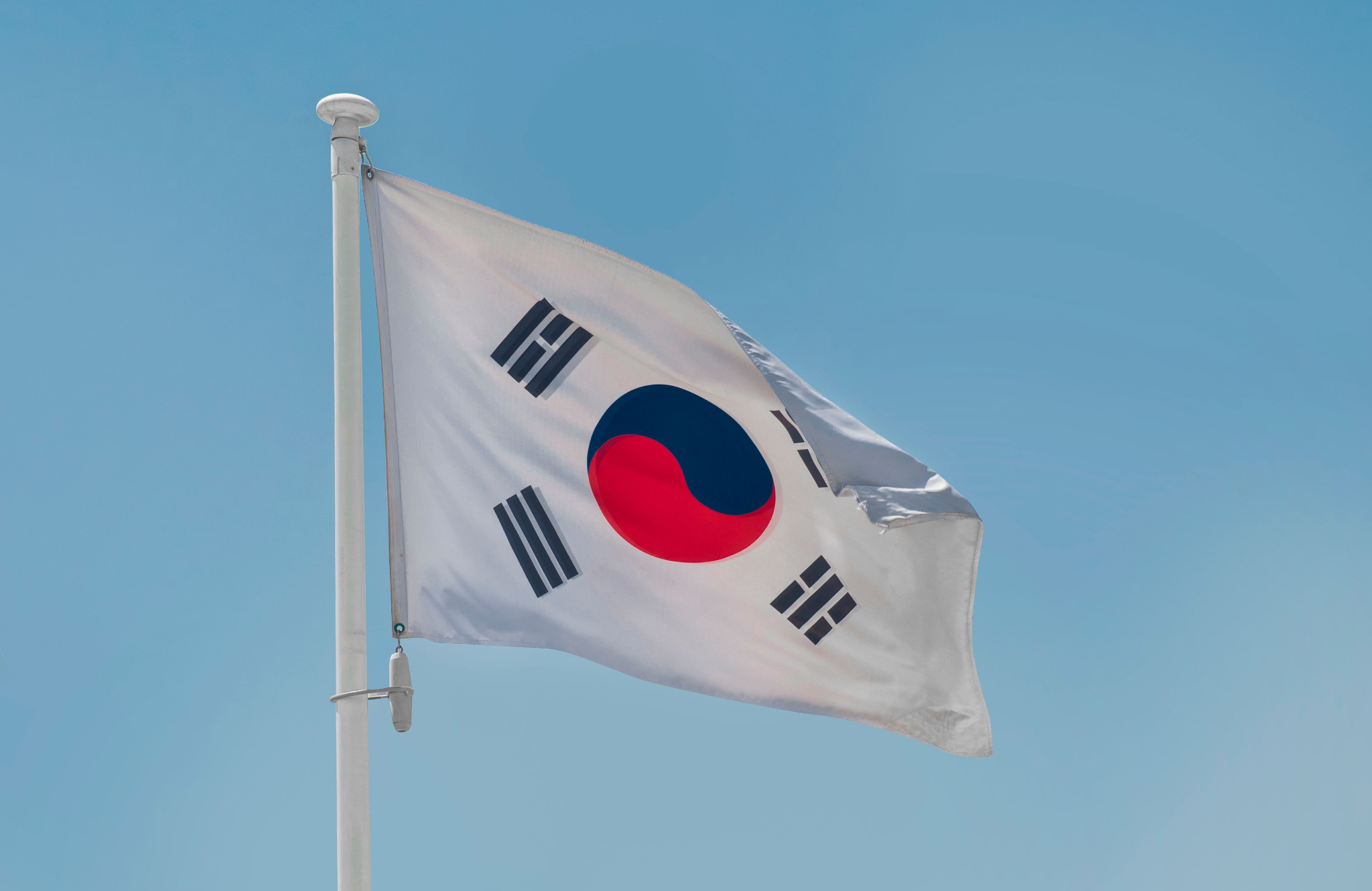
Moving from Kenya to South Korea with its rich cultural heritage, cutting-edge technology, and vibrant entertainment scene can be an exhilarating experience. Whether you’re moving for work, education, reuniting with family or a spouse, or exploring a higher quality of life, navigating the relocation process requires careful planning and a clear understanding of the immigration and customs clearance processes.
Kenya and South Korea share a robust long-standing relationship spanning technology, education, and trade. Recently, the nations have deepened the strategic ties with the opening of the first regional representative office of the Export-Import Bank of Korea (Korea EXIM) in June 2026, as well as the Korea International Cooperation Agency (KOICA). Such developments expand pathways for skilled workers, IT professionals, and digital nomads seeking to relocate between the two nations.
This guide covers everything you need to know about your move to South Korea from Kenya
1. Visa and Residence Permits

As a Kenyan passport holder, you must submit your visa paperwork directly to the Embassy of the Republic of Korea in Nairobi. Once your passport visa is approved and you land in the country, you will begin the next critical step which is securing local residency approvals.
The main visa options include;
- E-Type or Employment Visa – Your South Korean employer must declare your position with the local Ministry of Justice to obtain an official “Visa Issuance Number which you will provide to the embassy in Nairobi to finalize your passport entry stamp.
- D-Type or Student Visa – If you are relocating to South Korea for higher education, you must provide a verified Certificate of Admission from your South Korean educational institution. You will also be asked to present your bank statements to prove that you have enough funds to cover your stay.
- F-Type or Family Visa – You need to obtain this visa if you are moving to join a spouse, partner, or parent who is already legally residing in South Korea as a resident or citizen. To get the Family Visa, you must provide original Kenyan marriage or birth certificates to prove your relationship.
Remember, a strict 90-day countdown starts immediately after you clear border control in South Korea. If you are planning to stay for over 3 months, you must provide your local address and register your fingerprints at a regional immigration office to obtain the critical physical Residence Card (previously known as the Alien Registration Card, or ARC). Without it in hand, you cannot secure a mobile phone plan, open a local bank account, sign a residential lease, or sign up for Korea’s national health insurance.
South Korea’s Strict Administrative Rules
South Korea has zero flexibility when it comes to following administrative rules. Therefore, you must remember these 3 specific requirements before you leaving Kenya;
Document Legalization
Standard Kenyan public documents are considered invalid in South Korea unless they go through a strict verification process.
Since Kenya is not a member of the Hague Apostille Convention, you cannot use an Apostille. Your academic degrees, police clearance certificates, and vital statistics must first be verified by the Ministry of Foreign Affairs (MFA) in Nairobi, and then formally legalized by the South Korean Embassy.
Restricted Medications
South Korea has incredibly harsh anti-drug laws in place. Common over-the-counter cold remedies, codeine-based painkillers, or ADHD medications that are easily accessible in Kenya are heavily restricted or completely illegal to bring into South Korea. If you are under medication, you are required to obtain a certified doctor’s note and get pre-approval from the Korean Ministry of Food and Drug Safety before your flight lands.
Documentation Language
While the South Korean embassy in Nairobi may accept English documents, local immigration offices inside South Korea will require them to be in the native language. Therefore, you must ensure that your official lease agreements, employment verification letters, or specific financial documents are translated into Korean by a certified translator to avoid processing delays.
2. Tax-Free Household Goods Importation and Shipping Rules
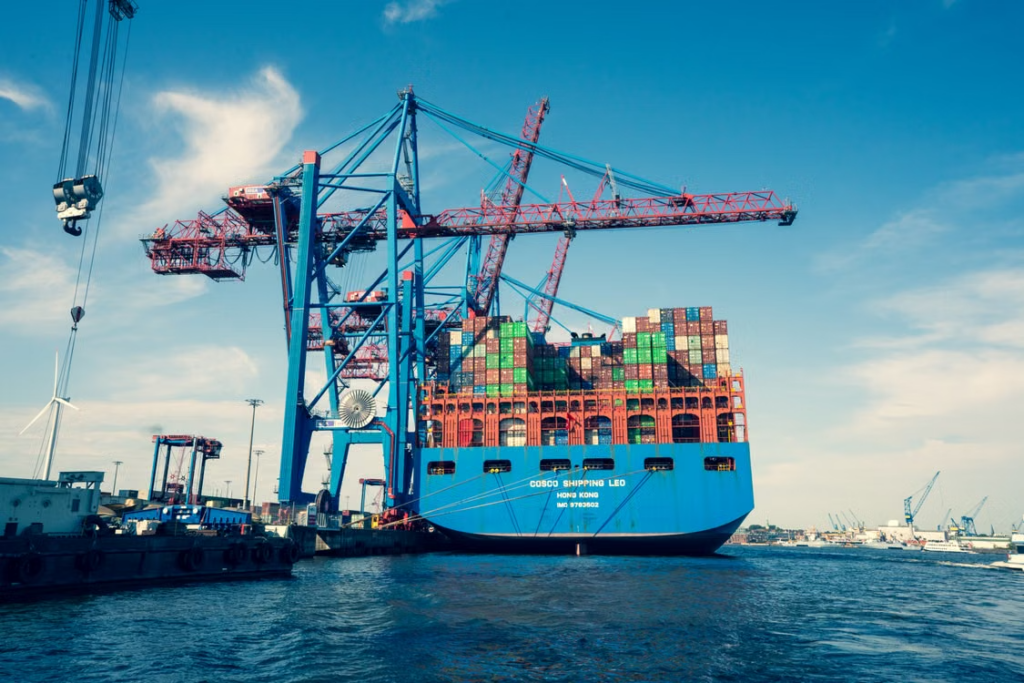
If you are relocating on a long-term visa, the Korean Customs Service allows you to import personal household effects completely duty-free. Ensure your shipment meets the following criteria to avoid heavy taxes;
- All personal household items must have been owned and used by you for at least 3 months before shipping. If you leave brand-new items in original store packaging with price tags, they will be taxed as commercial imports.
- Your shipment must arrive at a South Korean port (like Busan or Incheon) within exactly 6 months of your official border entry date. If it misses this deadline, you will lose your tax exemption entirely.
- The Korea Customs Service performs intensive physical and X-ray screening. For every major electronic item you ship, you are required to list the exact brand name, model, and serial number on your manifest.
You must provide the following set of documents to your international moving company to clear your belongings through the port smoothly and avoid unexpected storage fees.
- Detailed packing list / inventory (written in English)
- Bill of Lading (OBL) or Sea Waybill
- Passport copy
- Valid Korean Alien Registration Card (ARC) or long-term visa
- Korean Customs Moving-Goods Declaration Form
- Proof of local Korean residence (such as a local employment contract or formal lease agreement)
- Marine insurance certificate
3. The Step-by-Step Moving Process
Free Home Survey and Quotation
Our surveyor will visit your home in Nairobi or conduct a virtual walkthrough to calculate the total volume in cubic feet or cubic meters. This will help determine the best shipping method: LCL or groupage consignments for small households and full container loads (FCL) for larger households.
The surveyor also checks for fragile high-value items that require specialized packing materials, access constraints for moving trucks, and generates an itemized quotation detailing freight cost, packing supplies, customs clearance, and destination port fees.
Documentation and Planning
Once you approve the quotation; you will be assigned a dedicated move coordinator to handle every aspect of your move. At this stage you will put together essential official documents, including Korean Customs Import Declaration, packing lists, and Bill of Lading instructions with the guidance of your move coordinator.
Professional Packing
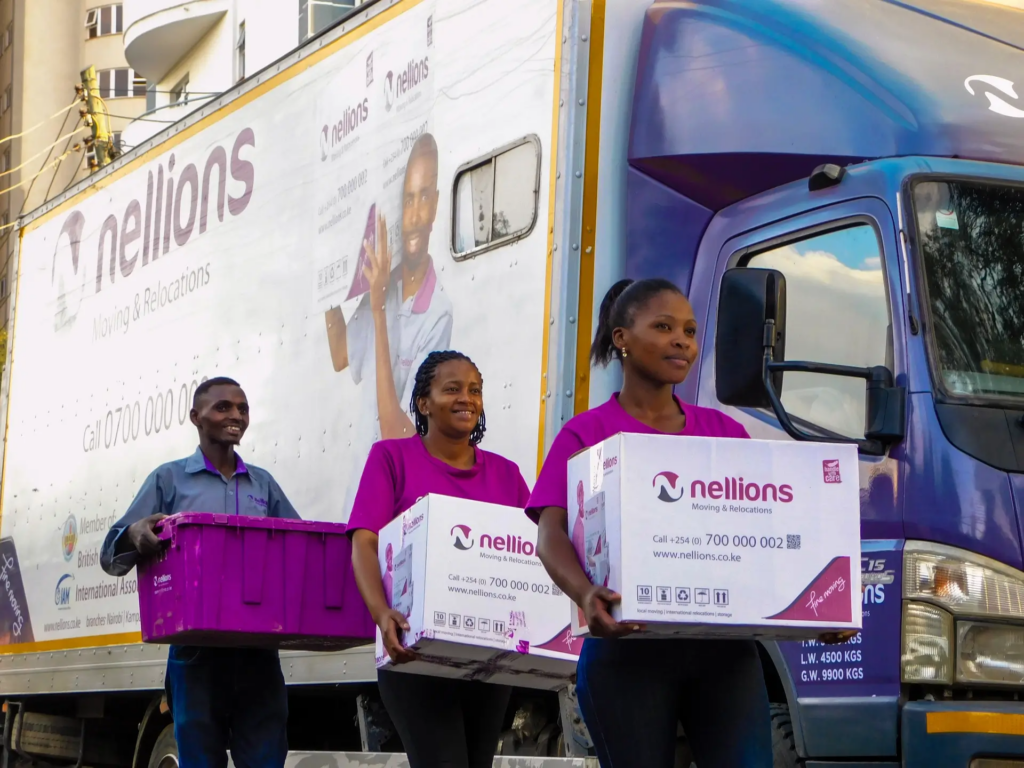
Our trained packing team wraps, boxes, and crates your household goods and personal items using export-grade materials. Every single box, wrapped item, and loose piece is tagged with a numbered sticker corresponding to a comprehensive packing list detailing the contents and condition of the item.
Loading and Transport to Port
Your consignment will be carefully loaded onto moving trucks and transported to the port of Mombasa under our supervision. Our licensed clearing agents will present the export manifest, a detailed packing list, and tax compliance documentation to the Kenya Revenue Authority (KRA).
Finally, after securing the export release, our agents will supervise the physical loading of the container with your shipment into the vessel.
International Transit
Your shipment travels to Busan or Incheon. Sea transit takes 35-45days, while air freight takes 8-15 days. Once dispatched, you will receive your Bill of Lading and tracking details.
Destination Customs Clearance
Our destination partner handles all import customs clearance including Korean Customs Import Declaration submission, duty assessment (if applicable), and port release — coordinating directly with you on delivery timing.
Delivery to Your New Home
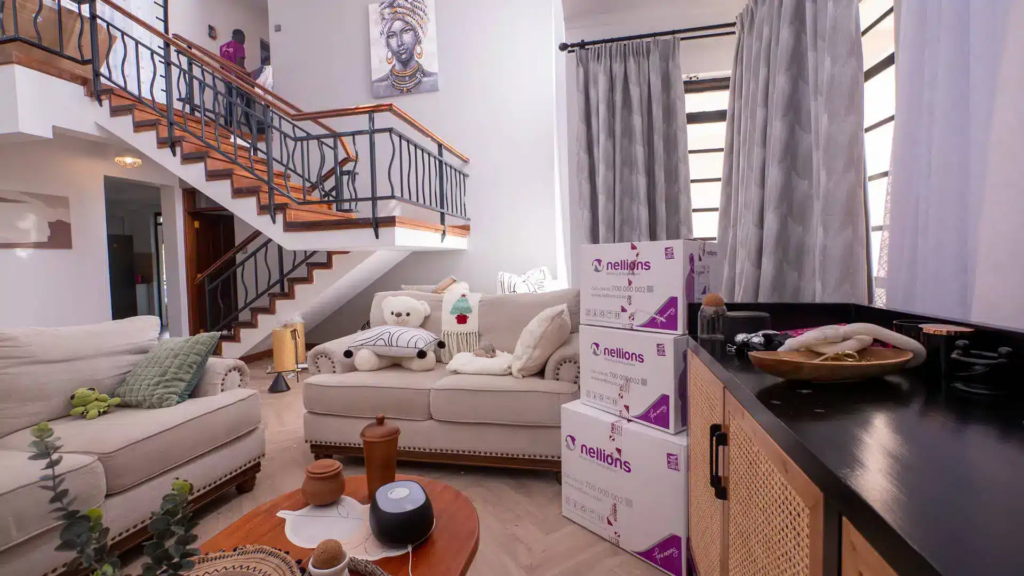
Following customs release, the container is transported directly to your new address in South Korea. The crew unloads the items, places boxes in their designated rooms based on your instructions, reassembles standard furniture pieces, and unwraps large appliances.
Full-service packages include unpacking and furniture assembly and placement.
The Best Movers to South Korea: Nellions Moving and Relocations Company
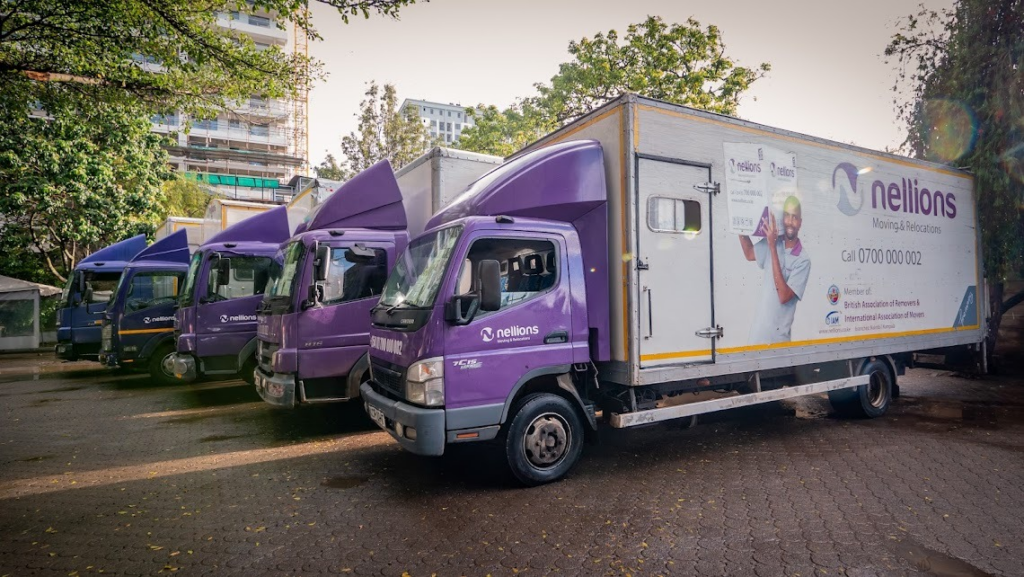
Planning and executing an international move from Kenya to South Korea can be a tedious and overwhelming task. This is especially true when you’re unfamiliar with the Korean customs requirements and the shipping logistics involved.
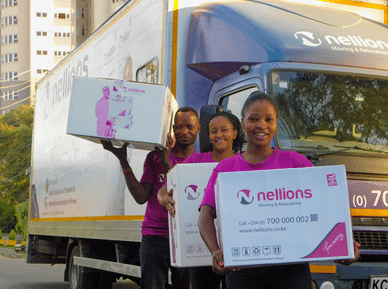
To ensure a smooth transition free from preventable mishaps, it’s advisable to hire an experienced international moving company. Nellions Moving and Relocations Company is an IAM-certified mover that provides expert packing, customs agency services, and door-to-door delivery to simplify your move.
With Nellions as your moving partner, your move from Kenya to South Korea can be an exciting and rewarding experience.
Contact us on +254700000002 or email move@nellions.co.ke to book a free survey today.
Frequently Asked Questions: Moving from Kenya to South Korea
A: Sea freight from Mombasa to Busan or Incheon takes 35-45 days. Total door-to-door including packing, export customs clearance, sea transit, destination port clearance, and final delivery is typically 7-10 weeks. Air freight takes 8-15 days
A: Key documents include: a detailed packing list, Bill of Lading, Korean Customs Import Declaration, passport copy, valid South Korea residence or immigration documentation, and a marine insurance certificate. Nellions prepares all documentation as part of a full-service move
A: Yes. Nellions coordinates all destination customs clearance through our established partner network in South Korea. Our destination agents handle Korean Customs Import Declaration submission, import duty assessment, and port-to-home delivery — so you do not need to manage this yourself.