



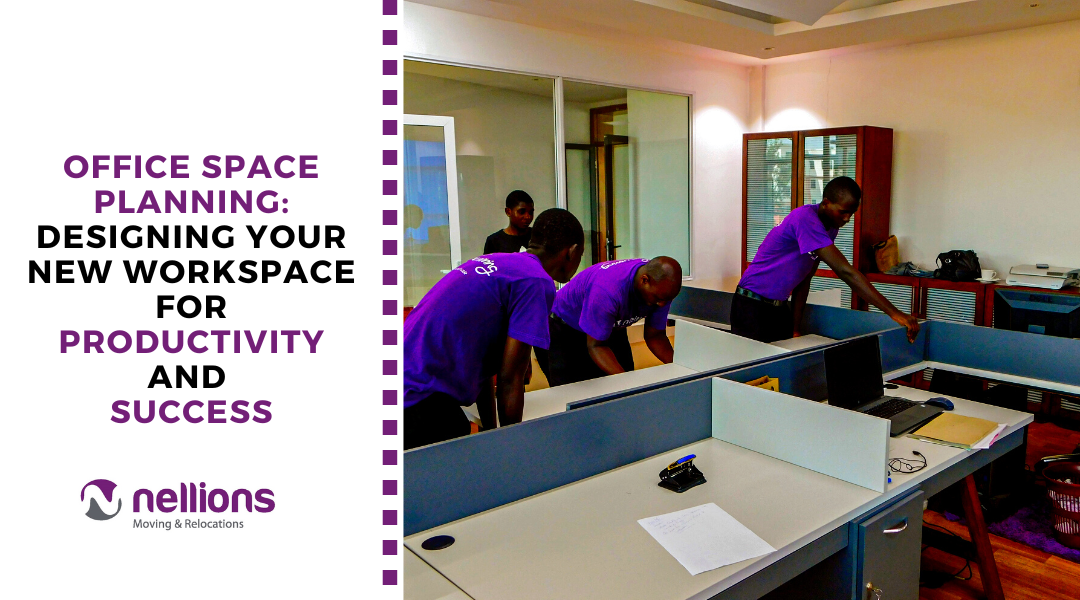
An often-overlooked factor in business success is the physical workspace. Done right, office space planning is a strategic necessity that directly influences employee morale, productivity, and business growth. It goes beyond just moving desks and chairs but also creating an environment that sparks creativity, innovation, and collaboration.
This article covers various aspects of planning your office layout for productivity, helping you design a workspace that works for your employees and business.
What are the Benefits of a Well-Planned Office Space?
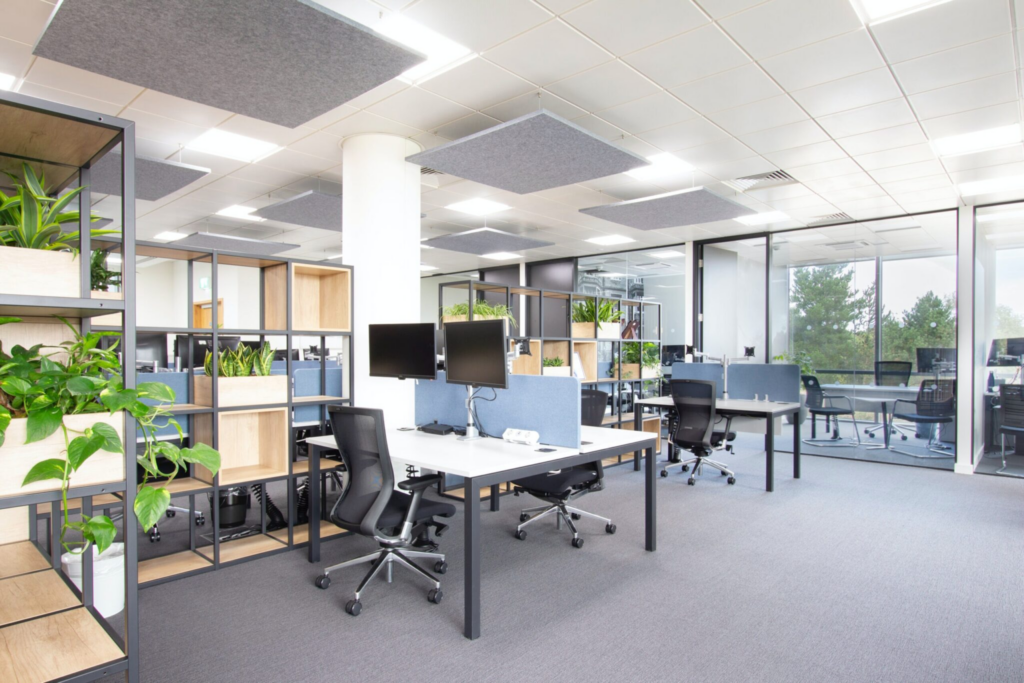
A well-designed workspace balances ergonomics, efficient storage, optimal desk arrangements, and natural lighting. These elements delivers profound benefits for both your employees and your daily operations, including;
Boosted Productivity
Strategic office space planning increases employee productivity. A clean, organized workspace reduces distractions and helps employees concentrate. Furthermore, placing equipment and supplies within easy reach saves time and makes workflows more efficient.
Enhanced Collaboration
An office space designed with collaboration in mind can foster teamwork and innovation. Open spaces, communal tables, and breakout areas encourage interaction and exchange of ideas, leading to creative problem-solving and a stronger team spirit.
Improved Morale and Work Relationships
The physical environment has a direct impact on employees’ moods and morale. Natural light, comfortable furniture, and a pleasant ambiance can make the workspace a place employees look forward to. Moreover, providing spaces for relaxation and socializing can strengthen work relationships and contribute to positive company culture.
Better Time Management
An organized workspace allows for better time management. When everything has its place, less time is wasted searching for documents or supplies. This leads to maximum efficiency and higher productivity.
Reduced Stress Levels
A chaotic workspace drains your team’s energy and builds daily stress. In contrast, a well-planned, organized office brings a sense of calm and control, helping your employees feel relaxed, focused, and resilient.
How to Achieve a Well-Planned Workspace
Successful office space planning in Kenya requires careful strategy.
Start with a Clear Strategy
A strong foundation helps protect your business in three key ways. First, it identifies and addresses potential issues early, minimizing downtime and disruption. Second, it ensures all resources, from personnel to equipment, are utilized effectively. Lastly, it sets clear timelines, keeping everyone informed and focused.
When launching your layout process, keep these key considerations in mind:
- Size of the New Space: Keep in mind the physical dimensions of your new office as it will determine how your furniture and equipment will fit and sitting arrangements for your employees.
- Employees’ Roles and Responsibilities: Different jobs need different setups. For instance, designers might need open, collaborative spaces to brainstorm, while developers need quiet corners to focus. Tailor your smart office to these needs to keep everyone productive.
- Company Culture: Your office should reflect your company’s culture. If you value transparency, an open floor plan is suitable. If privacy and focus are paramount, individual spaces or cubicles are more appropriate.
- Budget Constraints: Be clear about your budget from the onset. Include costs for the move itself, new furniture or equipment, potential downtime, and any modifications needed in the new space.
Communicate with Stakeholders
Providing sufficient notice to various stakeholders, including employees, building management, vendors, and clients ensures smooth operations and helps maintain good relationships.
- Employees: Employees are the backbone of your company, and their cooperation is crucial for a successful move. Informing them at least 3–6 months in advance allows ample time to adjust and prepare for the change. This period also allows time to address any concerns or questions they might have.
- Building Management: Whether you’re leaving a rented space or selling a property, you must inform the building management or owner. The notice period is typically stipulated in your lease or sale agreement, allowing them enough time to find a new tenant or buyer.
- Vendors and Service Providers: Your business relies on various vendors and service providers, ranging from IT services to office supplies. Informing them 1–2 months in advance ensures uninterrupted service. For utilities like electricity, water, and internet, coordinate disconnection at your current office close to the moving date and set up connections at the new location before you move in.
- Clients: While clients may not be directly affected by your move, keeping them informed maintains trust and transparency. Notify them at least a month before the move, especially if there might be disruptions to your usual services.
Consider Timing and Key Dates
Timing is vital. If you start your redesign too early, you risk disrupting daily operations. If you start too late, you’ll end up rushing critical decisions.
Avoid planning major changes during peak business seasons when your team needs to focus on revenue. Additionally, try to avoid scheduling renovations during public holidays, as setup crews will likely charge overtime rates.
To keep things running smoothly, plan your year ahead and compile a corporate relocation checklist to align your timeline. Mark your peak business cycles, major company events, and public holidays, then schedule your workspace updates around these dates to avoid clashes.
Estimate Your Project Timeline
Knowing how long your office redesign will take is crucial. This helps you prepare your team, manage expectations, and minimize disruptions to operations. Here’s how you can determine the timeline, taking various factors into account:
- Size of the Space: Naturally, larger offices take longer to plan, furnish, and arrange.
- Amount of Furniture and Equipment: The amount and type of furniture and equipment you have plays a major role. Specialized equipment may require professional handling and extra time to disconnect, move, and set up safely.
- Availability of Your Team: While having staff help can speed things up, you don’t want to disrupt them from their actual jobs. To keep your business running smoothly, it’s usually best to hire experienced corporate movers in Kenya to handle the heavy lifting.
Plan for Downtime
Some downtime is inevitable when moving and setting up a new office, so you must factor this into your planning from the beginning. An office moving checklist can help you identify potential sources of downtime, such as packing old equipment and assembling new desks, and estimate their impact on daily operations. From there, you can develop strategies to minimize this impact.
Consider the following options:
- Gradual Design: Consider setting up the new office space in stages. This could mean handling one department at a time, reducing the impact on the whole company.
- Staggered Work Schedules: Implement staggered shifts during the transition. This ensures that some employees are always available to maintain essential business functions.
- Remote Work Options: If feasible, allow employees to work from home or in coworking spaces in Nairobi during the setup process. This helps maintain productivity while the physical office is being relocated. It’s also vital to have a contingency plan for unexpected delays, ensuring clear communication protocols and emergency contacts are readily available.
Set Up and Design the New Workspace

Once the move is done, it’s time to focus on setting up your new space. This is your chance to create a well-planned workspace that boosts productivity and fosters a positive environment.
Here are some tips to help you set up an effective office layout:
- Organize for Efficiency: Knowing how to plan office layout for productivity directly impacts daily operations. Consider the flow of work and place collaborative teams near each other. Also, ensure essential equipment like printers and coffee machines are easily accessible.
- Install and Test IT Infrastructure: Ensure all key systems, including computers, internet, phones, and printers, are fully set up and working. A smooth IT infrastructure transition is critical to keeping disruptions to an absolute minimum.
- Prioritize Ergonomics: Comfortable employees are productive employees. Invest in ergonomic office furniture that supports posture and reduces physical stress. Adjustable chairs and desks, footrests, and monitor stands make a big difference.
- Create Relaxation Areas: Designate spaces for relaxation and informal meetings. These breakout areas help foster creativity and employee well-being.
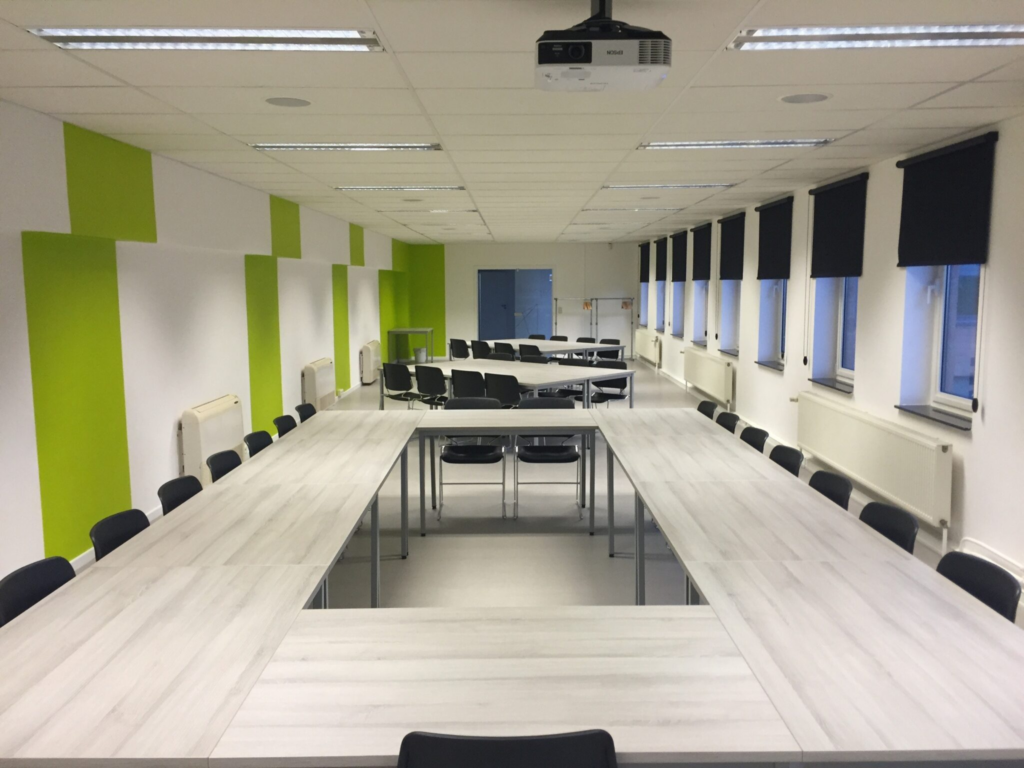
- Design Collaborative Spaces: Provide open areas for brainstorming sessions and team meetings. Equip them with tools that facilitate collaboration, such as whiteboards, large presentation screens, and comfortable seating.
- Lighting and Ventilation: Good lighting and ventilation are crucial for maintaining a healthy work environment. Make the most of natural light and ensure there’s adequate artificial lighting for darker areas. Proper ventilation also improves air quality and reduces the spread of germs.
- Add Plants: Incorporating plants into the workspace boosts team morale and naturally improves air quality. They also add a touch of nature that makes the environment more calming and inviting.
- Personalize: Let your employees personalize their working area. This makes them feel more comfortable and increases their sense of belonging.
- Prioritize Safety: You must adhere to all safety regulations. Ensure clear emergency exits, fire extinguishers, and first aid kits are readily available. Additionally, consider accessibility features to accommodate all employees.
Partner with the Kenya’s #1 IAM-Trusted Office Mover

Working with professional office movers in Kenya ensures a swift, efficient move and contributes significantly to maintaining normal business operations and productivity.
At Nellions, we understand that every transition is unique and requires a personalized approach. With over a decade’s experience in corporate relocations, we have built a reputation for reliability, efficiency, and excellent customer service. We work closely with your team to develop a detailed plan that aligns with your business needs and schedule.
Our professional team handles everything from careful packing and safe transportation of your equipment to setting up your new workspace efficiently and with minimal disruption to your operations. We go beyond simply moving boxes — our team can assist in arranging your new office layout to foster collaboration, streamline workflow, and create an engaging work environment that your staff will settle into from day one.
Whether your new workspace requires a phased setup or a full turnkey installation, we tailor our approach to your timeline and operational needs, ensuring business continuity throughout the entire transition.Whether your new workspace requires a phased setup or if you have excess assets, we offer both short-term and long-term storage options in our secure facilities.
To experience seamless office space planning in Kenya alongside professional moving support, contact us today by calling +254 700 000 002 or emailing us at move@nellions.co.ke.