




Corporate relocations provide an exciting opportunity for employees to advance their careers, explore new cities, and forge new relationships. However, moving can be quite a hassle, especially when you don’t know the right neighborhood for your living situation. Some companies assist their employees by managing their relocations or offering financial support with packages such as ready housing in line with their employee relocation policy.
Having the proper guide to prepare employees for a home search after a work transfer helps save time, alleviates stress, and eases the transition into a new environment. Organizations also benefit by improving retention rates due to high employee satisfaction. It also streamlines legal compliance with relevant rental and property authorities.
This article highlights essential tips from moving experts on how to prepare for a home search after a corporate transfer and find neighborhoods that are best fit.
1. Research the New Location
Employees expecting to move to a new destination should consider how close to the workplace they want to live and whether the neighborhood and surrounding area suit their needs and preferences. Do you prefer a serene suburban community or a busy highrise area?
Our residential moving experts offer local insights, further extended by our guide to top neighborhoods in Kenya.
No matter how beautiful and serene a neighborhood is, living there will quickly become challenging if the roads are inaccessible or there are fewer transport options. When scouting for suitable areas to relocate employees, inspect the new location’s transport infrastructure, including roads, pedestrian walkways, options for public transport, and the overall traffic situation.
It is advisable to test-drive your commute during peak hours to understand possible traffic snarl-ups better – you may even be lucky enough to chart a faster route to work. For an informed decision, consider your routine travel itinerary, which may include the route to church, school, and public social amenities in the new location.
2. The Community Atmosphere

A neighborhood’s general atmosphere and community spirit significantly affect an employee’s sense of belonging and living experience. Attending community events or meetings – even just patronizing local organic farmers’ markets can help you gauge whether a neighborhood is a good fit for building lasting friendships and support networks.
By getting to know the residents, you get a sense of the culture and belonging, especially when you meet individuals with whom you share much. You can also enrich your knowledge of local services, shops, and ‘hidden gems’ because they have the knowledge and experience to help ease your transition.
3. Affordability and Property Values
Your budget and financial goals are essential considerations that may significantly limit your home search options. Evaluate living costs in the prospective area, such as property values, average rent prices, groceries, utilities, and healthcare, to ensure they align with your budget and financial goals.
You should be able to assess whether your new home search is feasible by comparing these costs to your existing spending plan and financial circumstances. Relocating employees ought to be able to afford a comfortable living in the new area without undue strain or pressure.
4. Social Amenities and Recreation

A prospective area might be the right fit if it has amenities that support your hobbies, interests, and lifestyle preferences, such as nature parks, gyms, and community centers. Whether you love indoor or outdoor activities, these amenities and facilities can significantly improve the quality of your daily life. Ensure you can access certain products and services from your new home if they are essential to you.
Once you know what social amenities and recreational facilities are available, you will need less time to transition to your new home. Experts also recommend keeping an eye on current and future developments in the area as they can enhance or detract from the neighborhood’s appeal and your living experience.
5. Lifestyle and Cultural Fit
Each neighborhood has a unique character and cultural mood; some are family-oriented, and others have an artistic scene or vibrant nightlife. To find the best fit, you might want to think about the community’s values, personal interests, and lifestyle preferences.
Do you prefer a quieter, family-friendly environment or a bustling scene in an entertainment district? Understanding your lifestyle and social-cultural preferences will help you select the right neighborhood to move to.
6. Safety and Security
Examining the crime rates, local law enforcement, and the general climate-related security updates and measures for your prospective area can help ensure a safe living environment for you and your loved ones. You can find the crime statistics for the new neighborhood by narrowing your search in online resources for security risks associated with the specific location you intend to move to.
With a quick look at the statistics, you can determine which neighborhood has a moderate crime rate and is least susceptible to natural disasters such as flooding or earthquakes. This equips organizations and employees to make informed house-moving decisions.
7. Future Growth and Potential for Development

Researching planned or ongoing developments, infrastructural initiatives, and economic growth can help you better understand the neighborhood’s prospects and make more educated decisions about its growth potential. If you intend to relocate again in a few years, consider the possible increase in property value in the neighborhood.
Additionally, consider property taxes and housing laws, as they will affect your decision and costs. Conducting comprehensive research on the housing market can provide valuable insights into a given place’s investing possibilities and raise your bargaining power. It also helps you avoid making expensive mistakes by enabling you to recognize any potential hazards associated with buying or renting in a given location.
8. Daily Life Aspects
After you have selected an area or have finalized your decision, it is advisable to walk or drive around the new area and take in the neighborhood’s look and feel at different times. This will give you an idea of population congestion, potential disturbances such as noise from churches within the area, natural lighting and visibility, and the presence or absence of police patrols, among other crucial aspects of daily life.
For employees with families, the perfect neighborhood will include quality public and international schools for their children. To gain further insight into your children’s educational opportunities in the schools, you can visit on open days or look up ratings and reviews online.
9. Health and General Wellness
Residents’ general health and well-being are enhanced by their proximity to medical facilities, green areas, and clean surroundings. Taking these things into account is essential if you want to live a high-quality life and ensure that you and your family have the means to continue being happy and healthy.
Having licensed doctors and other healthcare professionals close to your home can improve the quality of life for your family, especially if you have elderly or young folks living with you. On the other hand, you must consider specific amenities that guarantee overall health and well-being such as parks for kids, places to go for walks, and opportunities to interact with neighbors.
The rental market can be quite competitive sometimes, especially in highly sought-after neighborhoods. Landlords in these areas receive many rental applications and have many tenant options. For a better chance of being selected and for legal compliance purposes, especially for international employees, it is best to be prepared with the following;
- Proof of employment – includes employer name, office location, and job title
- Pet preference – if you are moving with a pet
- Rental reference – from previous landlords
- Credit history
Nellions: Nairobi’s Trusted Corporate Relocation Partner
For many individuals, identifying the ideal neighborhood is crucial to their employee relocation experience and ultimately, work-life balance. With the outlined factors, screening and selecting the finest neighborhood for you and your family should be a simpler and more rewarding experience.
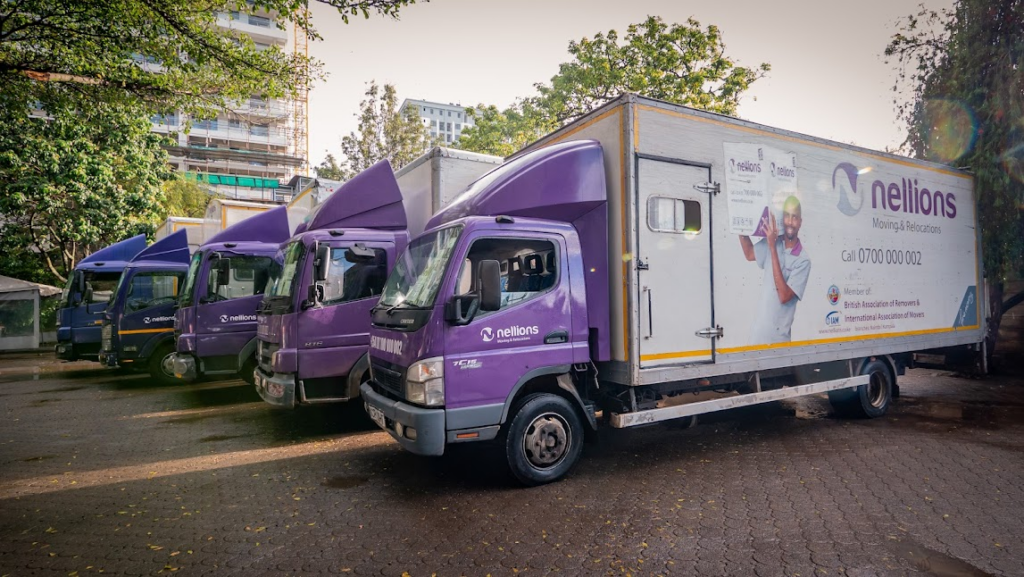
At Nellions, we carefully plan and execute the logistics of local and international corporate moves to ensure a smooth and stress-free transition. We support HR teams and individual employees with seamless employee relocation in Kenya — from household moving to new home search and settling-in orientation. With Nellions as your corporate relocations partner, you can focus on enjoying your new corporate ventures while we handle the rest.
Call us +254700000002 or email move@nellions.co.ke to book a free survey today!