


If you’re coordinating residential or commercial relocation logistics or simply operate a business that deals with stock, equipment, inventory and regular deliveries, you might have come across the terms ‘storage’ and ‘warehousing’ and wondered if they’re the same thing.
They are connected, but they are not the same.
Storage is mainly about keeping personal and business goods in a controlled-access facility on a short-term or long-term basis, while warehousing involves storing, managing physical inventory, and shipping as part of a wider logistics operation.
Storage is where you keep things passively – you only require the space. Warehousing works best for active business processes that involve managing and moving items or inventory.
Storage

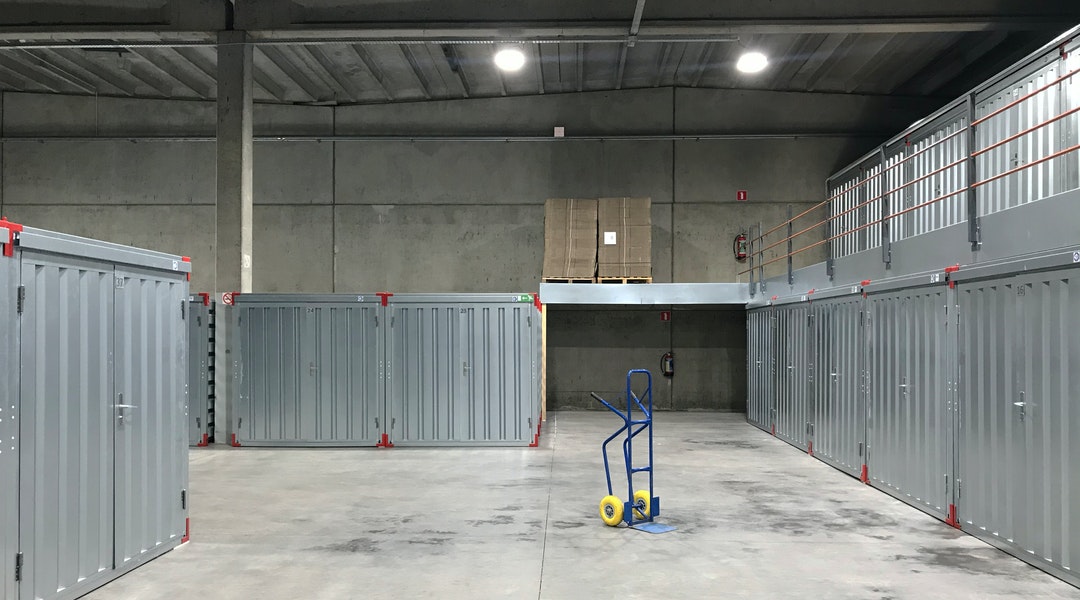
Storage facilities are designed for long-term safekeeping and basic holding. They’re ideal for personal items, household goods, excess stock, or small business needs that require extra space. Unlike warehouses which can handle massive volumes, storage facilities handle low-volume quantities, such as archived documents, seasonal decorations, or excess stock.
The most common types of storage include;
- Self-storage units – individual enclosed units where you get personal access and management.
- Managed storage facility – facility personnel offer full storage services including packing, loading, and delivery back and forth.
- Climate-controlled storage units – features temperature and humidity controls to protect sensitive items such as electronics, documents, and artwork.
- Vehicle storage – for cars, RVs, or boats.
- Specialized storage – cater to unique storage needs such as fine art storage, relics etc.
Advantages of Using Nellions Storage Services
- Our facilities are clean, secure, and weatherproof to protect your goods
- Exclusive access is guaranteed, as you retain the sole key to your unit, ensuring your belongings remain entirely private and secure.
- Enhanced protection is provided through integrated CCTV surveillance and advanced alarm systems throughout the premises.
- Nellions’ Storage service also includes Records Management and archiving of documents. This enables you to store your old files at our storage facilities in an organized manner that allows the owners to easily retrieve them when required.
- Our team consists of highly skilled, professional packers who employ global best practices and modern supplies to ensure your items are handled with absolute care.
- At Nellions, we ensure that the right and updated records for storage are available to you. Therefore, we make the commodities available to our clients as fast as possible.
Warehousing
Compared to storage facilities, warehouses are vast enough to accommodate massive racks, large equipment, and bulky inventory. Most warehouses are often located in transportation hubs from which shipping is faster and more cost-effective. In contrast, storage facilities are usually located in residential or commercial areas where they are more accessible to customers.
The different types of warehousing facilities include;
- Private warehouse – owned by a single company, retailer, or distributor for better control and security.
- Public warehouse – enclosed area for renting or leasing to multiple small and medium-sized businesses.
- Refrigerated warehouse – climate-controlled environment for perishable goods.
- Bonded warehouse – licensed by customs authorities for storing imported goods pre-taxation.
Advantages of Warehousing
Cost-Efficient
It’s cost-efficient for individuals or companies with large goods in bulk. The commodities are handled professionally with the proper equipment when coming in and out of the warehouse.
Secure Inventory Management
Warehouses have tracking systems to let you know when items come in or go out of the warehouse. Warehouse owners ensure that the commodities they store are well safeguarded, conserved, and tracked. Warehouses engage workers and security personnel to maintain accurate records of good details and to protect commodities from robbery and misappropriation.
Central Placement of Goods
All your commodities will be placed in one central location for easy retrieval and loading in case you recall them.
Professional Handling
Trained and experienced professionals handle commodities stored in a warehouse. They are also well-versed with the use and maintenance of warehouse equipment such as forklifts.
Safety and Preservation
Warehouses are used by manufacturers, importers, distributors, exporters, and dealers to keep their commodities before distribution and sale.
Aside from serving as a storage facility, warehousing also provides protection against water, fire, robbery, and environmental changes. Warehouses reduce spoilage, mistakes, accidents, omissions, damage, and quality degradation, among other things, thanks to technology developments, security measures, and digitization.
Hassle-Free Storage
More and more warehouses are cropping up in industrialized urban districts with loading docks for loading and unloading from trains, seaports, and airplanes. Some may have automated forklifts and cranes for moving goods between locations.
Others are fully automated, with no employees on-premises, cutting waste and facilitating seamless cargo handling.
Location Convenience
Warehouses are usually conveniently located in major ports and major roads. Convenient location aid in smooth transportation of commodities to the desired destination as well as reduced transportation costs.
There’s no one-answer-fits-all when it comes to deciding what is best for your needs between warehousing and storage services in Nairobi. The best solution depends on your business operations, budget, needs, and future goals.
From a use-case perspective, warehouses are used for industrial and commercial purposes, whereas storage facilities are used for personal and business purposes.
The physical buildings used for storage and warehousing may be quite similar (or even the exact same), and often their names are used interchangeably.
Storage facilities are mostly used by individual or business clients to store their commodities for short up to long periods whereas warehouses are used for storing, processing and shipping out commodities for companies.

Here are some important questions to ask yourself;
- What is the rate of your inventory turnover? – fast-moving items are suited for a storage facility. However, remember if you opt for self-storage or managed storage, you can only access the facility within the agreed working hours and cannot operate your business from the storage facility. Warehousing may be a better option for long-term product storage.
- How much space do you need?
- What kind and size of products do you want to store?
- How much is your budget?
At Nellions, we’ve provided expert moving and storage services to individuals, families, and corporations for over 12 years. With over 14000 square feet of storage, we offer more than just space – we offer extra peace of mind through on-time delivery and additional solutions that fit your unique business needs.
If you’re ready to move beyond simple storage and partner with a relocation expert who can support your business needs, we’re here for you!
Ready to see how our integrated professional moving and storage services can transform your operations? Contact us via +254700000002 or email move@nellions.co.ke to speak to our storage consultants.