


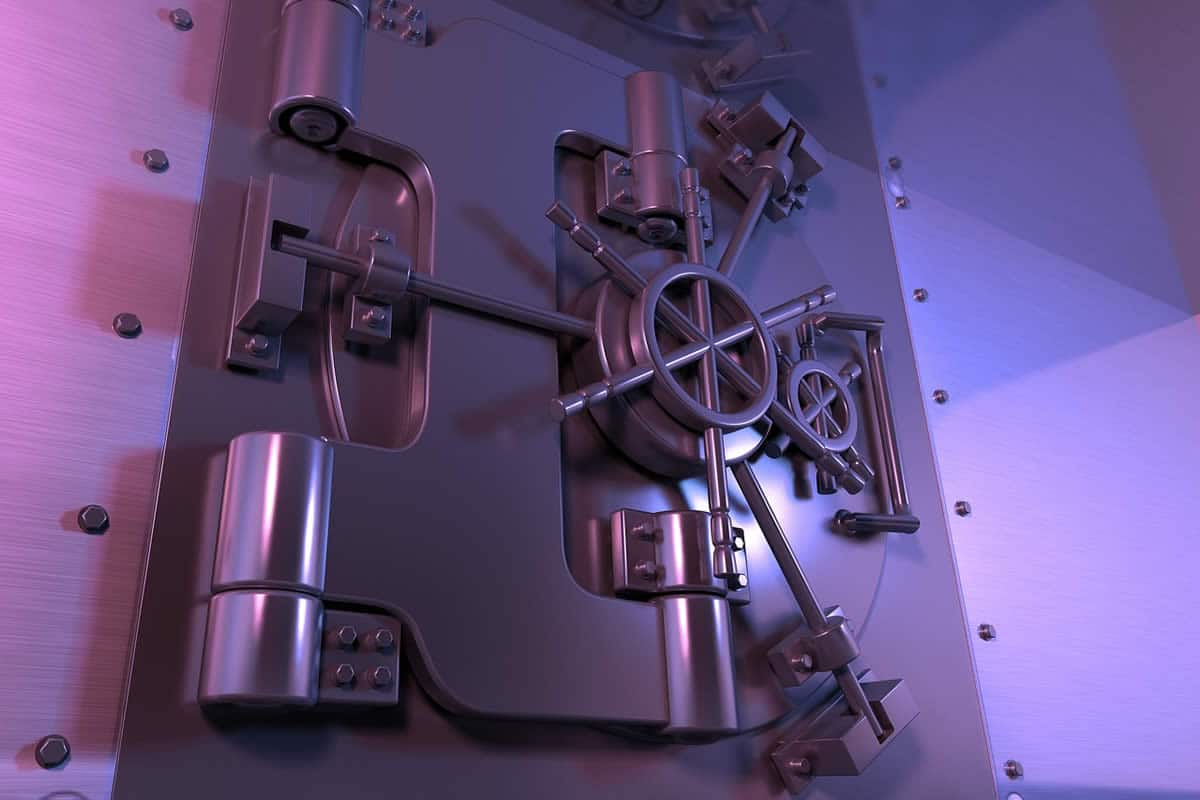
A safe protects your most valuable items and prized possessions from theft, fires, and other disasters. They come in two main categories: portable safes designed for easy transportation of small items like jewelry, cash, or documents, and larger, heavier safes designed to remain in a fixed position.
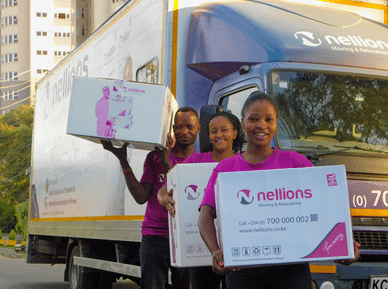
Many homes and businesses in Kenya use at least one type of safe. Safes require special care and handling due to their bulky and sensitive nature, especially during residential or corporate relocations. This is why many people rely on IAM-trusted professional safe movers in Kenya such as Nellions to securely handle the job.
Types of Safes in Kenya
Floor Safes
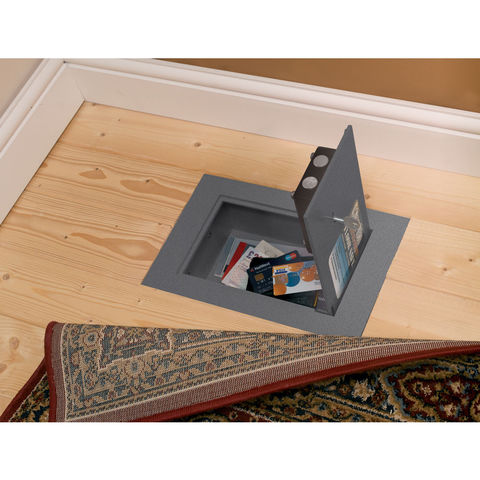
These safes are designed to be installed directly into a concrete floor where they are concealed and cannot be carried away. The surrounding concrete provides excellent natural insulation against fire.
However, floor safes are prone to moisture buildup, so you must store your valuables in airtight bags or keep a desiccant bag in there for moisture absorption.
Wall Safes
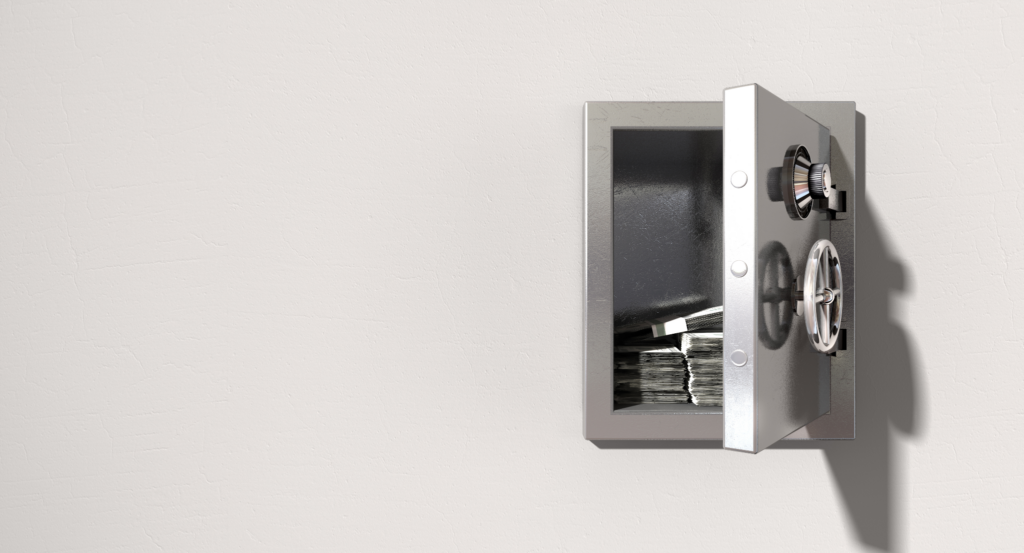
Mounted directly between wall studs, these safes can be concealed behind paintings, mirrors, or furniture. They offer quick access to daily valuables while keeping them out of sight from intruders and out of reach of children.
Commercial Safes
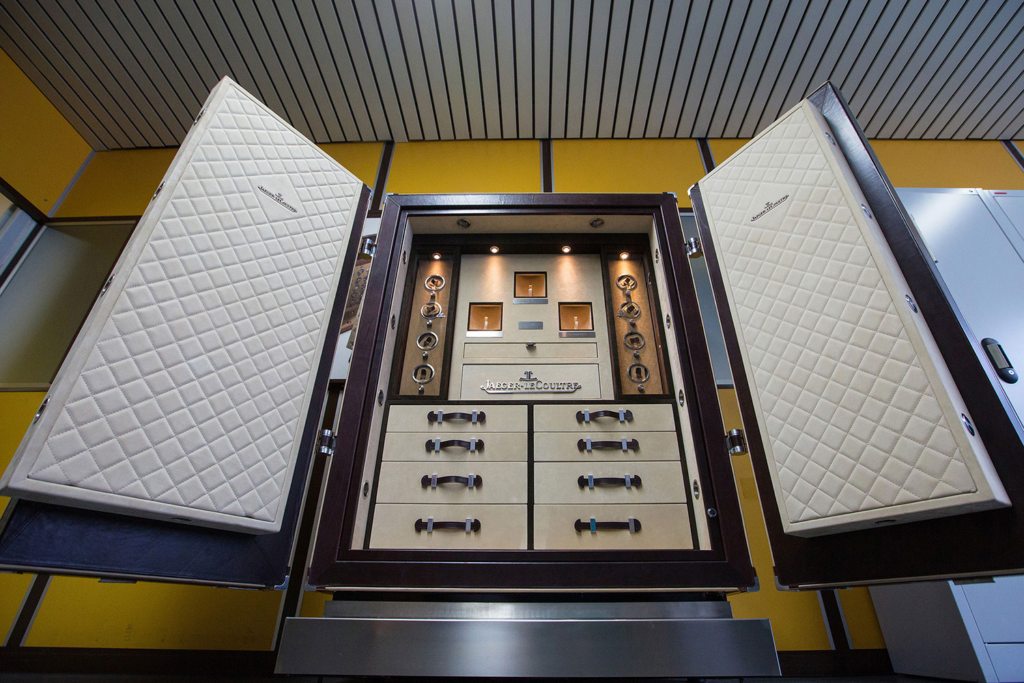
These safes are mostly used by businesses to safely store cash, receipts, valuables, and sensitive documents. Businesses often use safes for cash boxes, key boxes, and data to organize and store each separately.
Modern commercial safes now frequently feature depository slots (drop safes) for putting in cash without opening the main door. Some also have digital keypads or biometric tracking to monitor employee access.
Jewelry Safes
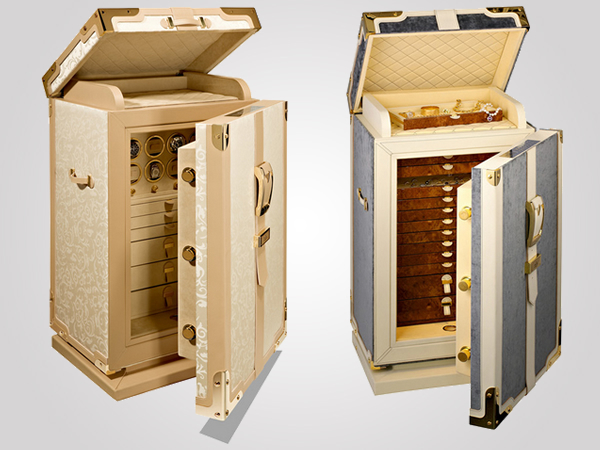
These are safes made for storing jewelry, featuring different partitions to organize different pieces. They are padded on the inside to prevent scratches and breakage, ensuring the jewelry stays intact when moving the safe.
The internal lining protects the delicate contents while the outer construction provides the necessary fire and water protection.
Data Safes
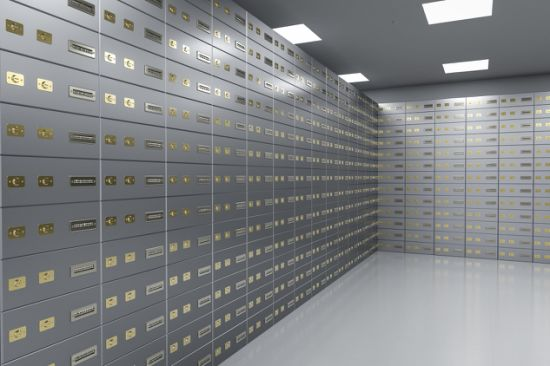
Fireproof data safes store crucial/sensitive paperwork and documents and vital and irreplaceable computer media and backups. They offer greater protection from fire than standard document safes due to their heavily insulated walls.
Data safes are mostly used by tech firms, media houses, government offices, security firms, banks, and other organizations that require data protection.
Wardrobe Safes
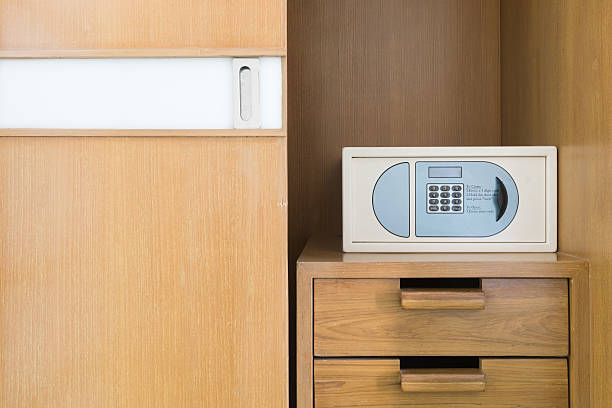
These safes are installed inside closets or hidden drawers. They are best suited for storing valuables like passports, cash, handguns, and jewelry, keeping them easily accessible, but out of plain sight.
Portable Safes
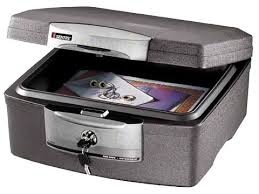
These safes are compact and lightweight for easy mobility from one location to the next. They often include a handle or a steel tethering cable to secure the safe to a heavy, sturdy object.
Portable safes are ideal for dorms, rental properties, and travel. They are perfect for protecting sensitive documents, keys, or electronic devices while on the move.
Chest Safes
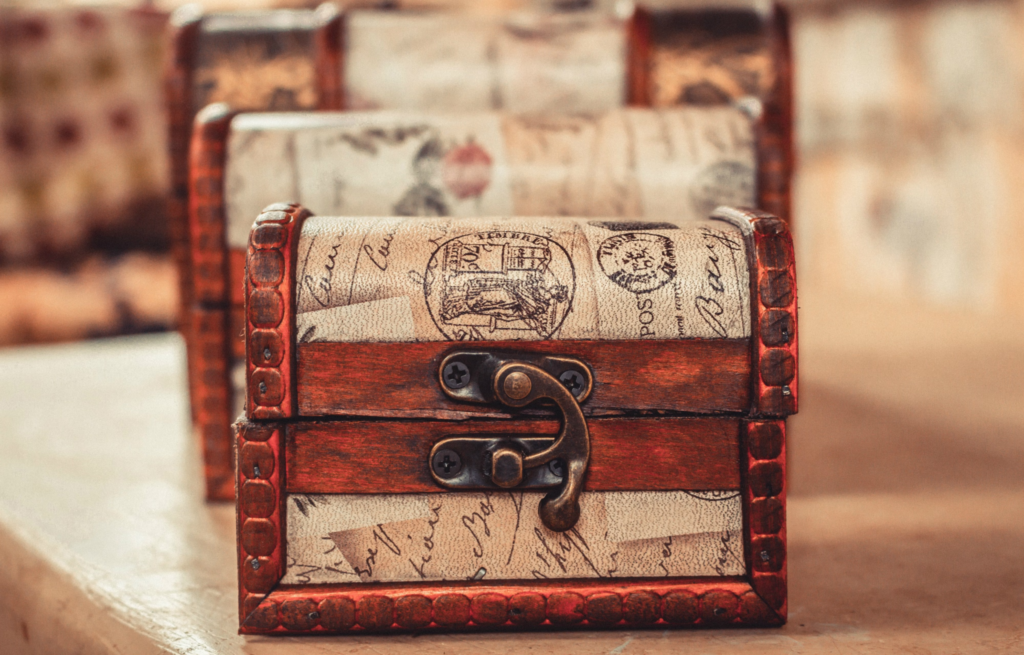
These heavy-duty, box-style safes lie flat and open from the top. Antique chests are mostly used for sentimental items like jewelry that is passed down from one generation to another, but modern chest safes are highly secure and can be unlocked using digital keypads, biometrics, or keys.
They are built to protect larger, bulky documents and valuables from severe fire and water damage.
How to Successfully Move a Safe
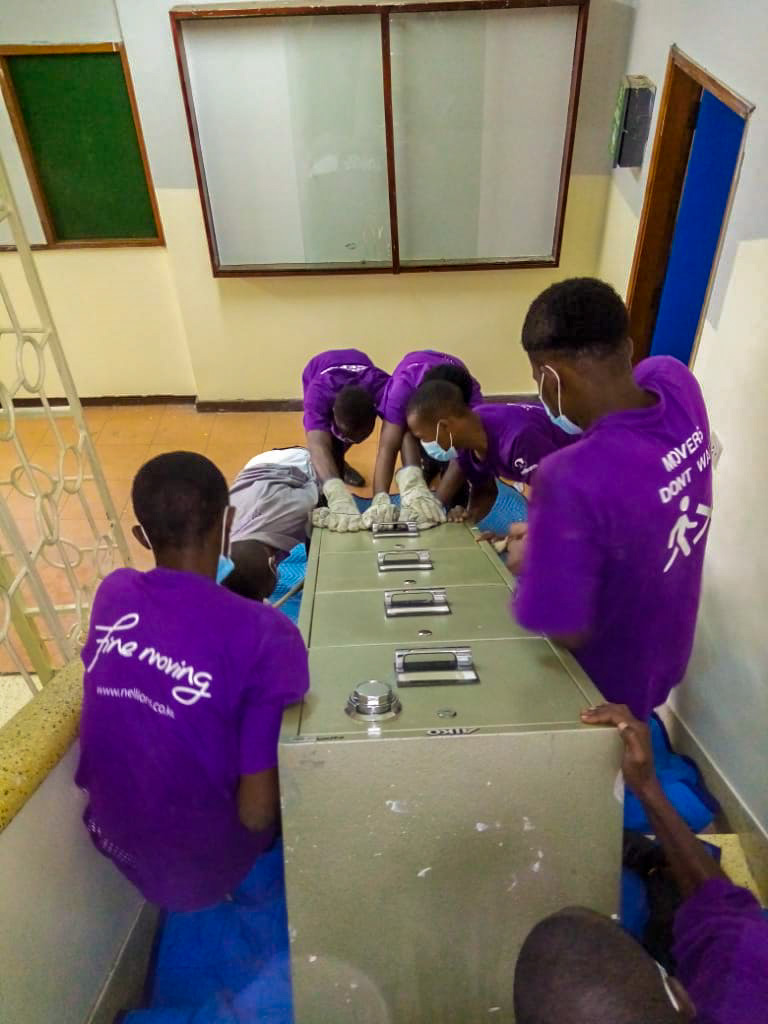
Moving a heavy safe requires careful planning, the right equipment, and a well-trained team to avoid injury or damaging the contents on the floors or staircases. Professional moving companies in Kenya are usually well-equipped to handle such moves, but if you’re inclined to do it yourself, here’s how to do it safely;
Basic Preparation
The first step is to empty the safe entirely of any jewelry, cash, handguns, or documents entirely to reduce weight and prevent damage to internal locks. You will transport these valuables separately in an essentials pack you will keep on your person.
Keep the safe door locked to keep it from swinging open during the move. Finally, wrap and secure the safe with moving blankets to protect it from scratches and impacts. If the weight is too daunting, you might want to consider hiring experienced safe movers in Nairobi to avoid injury or costly delays.
Moving a heavy safe in Kenya isn’t just about lifting. You will also need to protect yourself and your home by using the proper moving supplies and equipment.
You will need specialized furniture sliders to prevent scratches on your floors and walls. Alternatively, you may lay down plywood sheets or cardboard on tricky doorframes and stair edges. However, this depends on the weight of the safe.
Secure the Safe on a Dolly
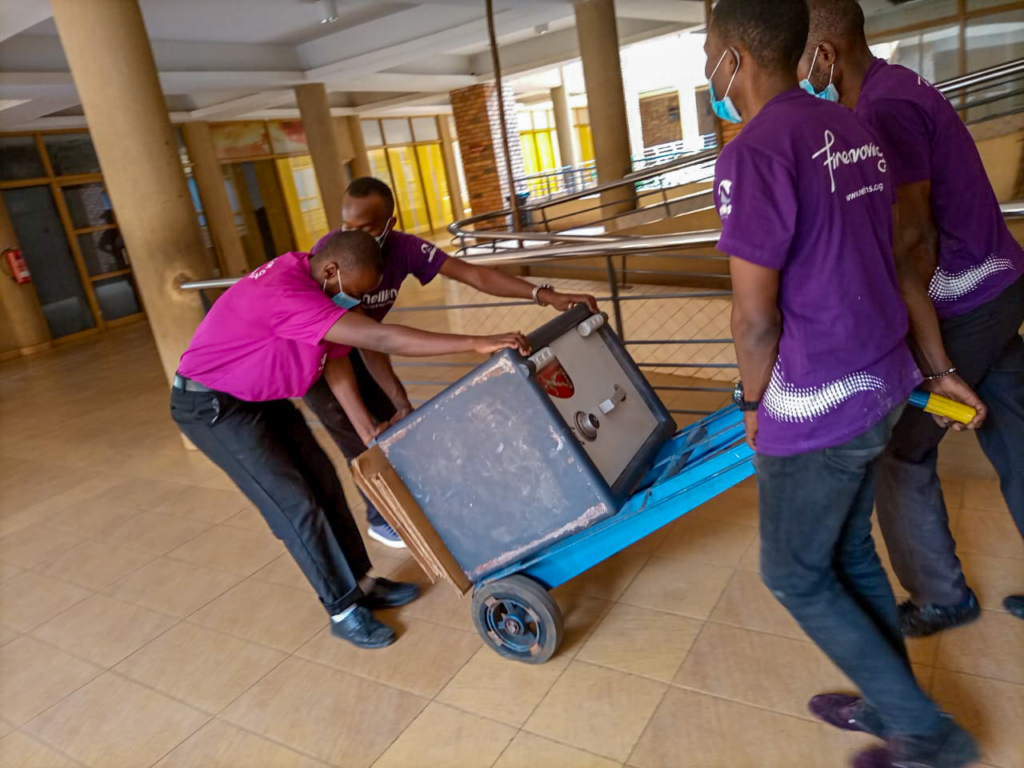
You will need a heavy-duty dolly, depending on the size of the safe, and a loading ramp. Choose a dolly that is specifically rated to accommodate the heavy weight and dimensions of your safe.
Slide the dolly underneath the safe until it rests securely against the frame. Use the supporting straps to strap it down to the moving dolly. Tighten the straps as far as they will go to eliminate any movement of the huge load. Make sure it is well balanced and stabilized to avoid tipping when moving.
Moving to the Truck
Clear the exit path to the moving truck of any obstacles. Map out the entire route from where the safe is to the moving truck. Measure all doorways and tight spots to know which exit to use and know how to navigate the tight spots.
If you have stairs or narrow hallways, you might want to enlist heavy equipment movers in Nairobi who specialize in navigating complex architectural paths. Always use the closest, easiest, and most convenient exit, navigating corners and stairs with caution to protect the floors and walls from damage.
Loading onto the Truck
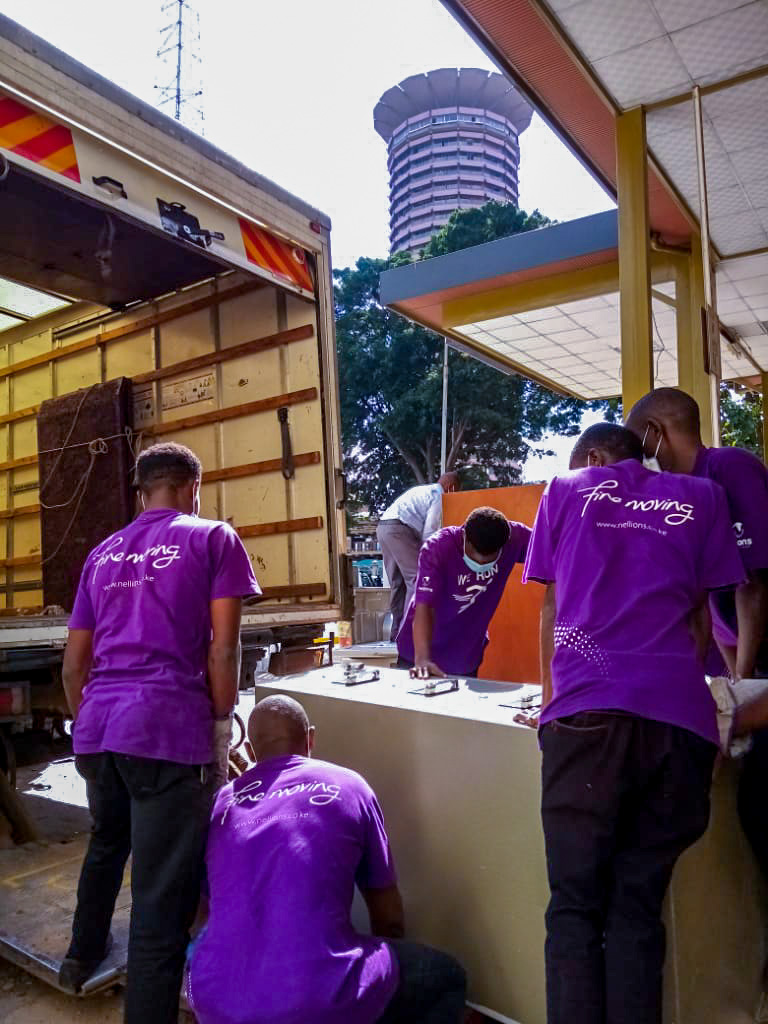
The truck should be large enough to accommodate the safe and handle its heavy weight capacity. The best trucks for moving safes are those equipped with a hydraulic liftgate, allowing you to lift the safe effortlessly to the vehicle level instead of pushing it up a steep ramp. If you do not have access to such vehicles, consulting professional moving companies in Kenya will ensure the right transport is provided.
Setting Up at the Destination
The first step in setting up your safe is finding an appropriate location to house it. Ideally, the spot should be hidden from view and free of electrical cabling and piping. Even more importantly, you should check the building plans to ensure your preferred location can bear the heavy weight of the safe.
You will need the following tools:
- Drill and appropriate drill bits
- Socket set
- Screwdrivers
- Marker pen
- Fixing bolts and anchors (usually provided by the safe manufacturer)
The simplest installation tip for safes is to place it exactly where it’s designed to be – whether that’s in a wardrobe or floor and to secure it with bolts or a heavy-duty anchor cable. To guarantee secure anchoring, consider hiring experts who offer safe and furniture installation services in Kenya.
Most safes come with convenient pre-drilled holes in the back, the base, or both. For safety purposes, never install a safe weighing over 60 kg on a wooden floor.
For floor safes, avoid areas with underfloor heating or cooling, and carefully check for plumbing pipes and electrical wires. The size of the hole should be slightly larger than the safe; ideally about 4 inches wider and 4 inches deeper than the safe’s dimensions.
Remember to line the hole with a damp-proof membrane to prevent ground moisture from seeping in. Pour a level layer of concrete at the bottom to provide a firm, flat base. Finally, position the safe carefully so that it sits perfectly flat with the floor, ensuring it doesn’t sink too low or stick out above the ground.
For a wall safe, identify a section of the wall that can bear the weight and support the safe securely from the back. The weight of the safe door can easily shift its balance when opened, so bolting it properly is vital to avoid any accidents.
Ultimately, the primary consideration when moving a safe is safety and security – for the safe, its contents, its surroundings, and the movers. Understanding how to move a safe in Kenya safely is critical to preventing property damage and personal injuries.
Need Professional Moving Services in Kenya?

Moving a heavy safe is a highly specialized job. Attempting it without the right training and equipment risks serious injury, structural damage to your property, and – worst of all – compromised security for whatever’s inside. Professional safe movers in Kenya bring the expertise needed to relocate your valuables safely, efficiently, and without unnecessary risk.
At Nellions, we combine specialized equipment with years of hands-on experience as premier safe movers in Kenya, handling safes of every size and weight for homes and businesses alike. From maneuvering tight stairwells and complex architectural layouts to securely anchoring your safe into its new floor or wall, our team manages the entire process from start to finish — so your valuables stay protected every step of the way.
Secure your valuables today. Let experienced professionals handle your high-value assets. Contact us on +254 700 000 002 or email move@nellions.co.ke to schedule your safe relocation.