



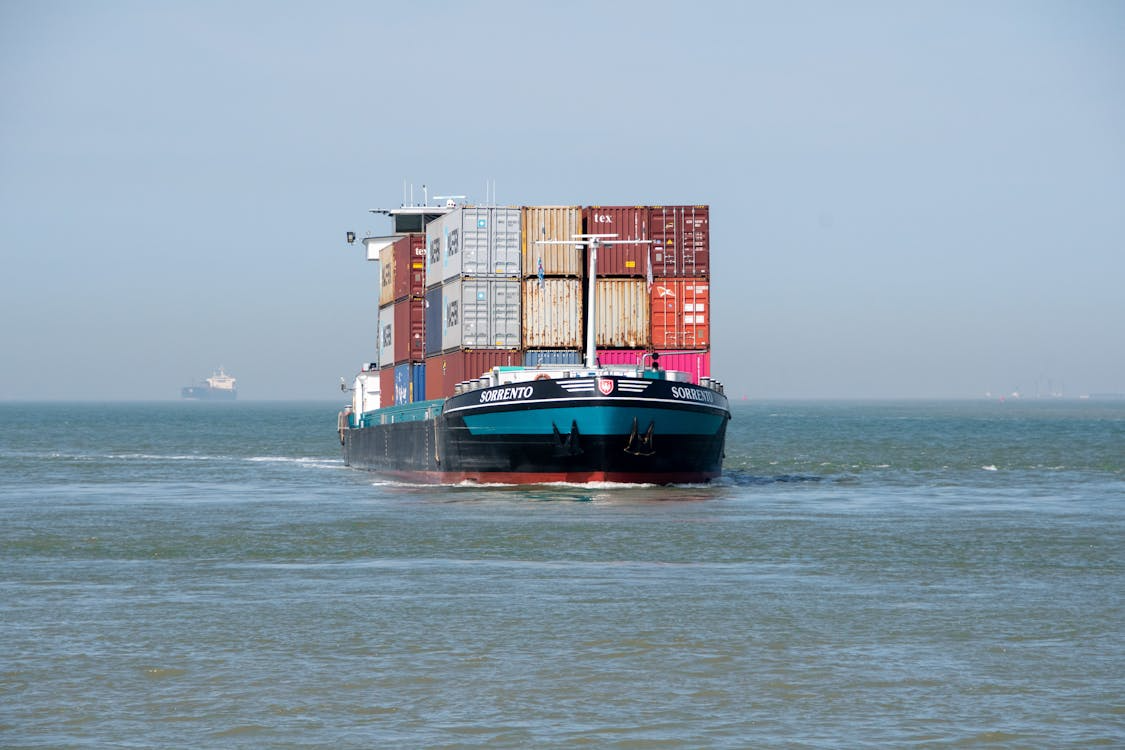
Relocating to Kenya, whether as a returning resident, expatriate, or a family seeking new beginnings involves the tedious task of moving household goods across borders. Sea shipment is the preferred shipping method for many people due to its efficiency and cost-effectiveness for large shipments.
Understanding sea freight for international moving in Kenya is key to ensuring safe and reliable transfer of your goods into the country.
Here are a few aspects you should know about importing household goods to Kenya via sea in 2026:
1. The ICMS System and Tax Obligations
All cargo to Kenya is manifested via the integrated customs management system (iCMS). Your shipped cargo must be manifested at least 4 days before your cargo arrives at the Port of Mombasa. This will enable your clearing agent to file necessary customs entries in advance.
The iCMS enables the Kenya Revenue Authority to receive your goods declaration before the ship docks. Your clearing agent will need your KRA pin to register a customs entry. This document shows any levies payable to your shipment and is required for customs clearance.
Ensure you settle any outstanding taxes, unfiled returns, or unresolved issues with KRA’s domestic taxes department to clear your cargo. Even if your current shipment of household goods does not attract any taxes, any arrears will hinder the customs clearance process. Worse still, your cargo will attract hefty port storage and demurrage or detention charges as you go about sorting your issues with KRA.
2. Container Clearing Costs in Kenya
The fees involved in clearing your container when importing household goods in Kenya include shipping costs, customs duty and taxes if you do not meet the duty exemption criteria, clearing agent fees, port handling, insurance, inspection, and delivery to destination. The Kenya Ports Authority provides tariff guidelines for clearing 20ft and 40 ft domestic import containers.
If you’re using carrier-owned rather than your own/shipper-owned container, you may incur demurrage and detention fees for withholding the container longer than the agreed period. Shipping companies in Kenya typically allow 9 free days after arrival to allow for clearance.However, if you exceed the time agreed upon with the shipping company, they will charge you a daily rate, which may differ from company to company.
You will also be required to pay railway development and MSS levy on your shipment. The MSS levy (under the Miscellaneous Fees and Levies Act) revises the Standards Levy, exempting businesses with annual revenue under 5 million Kenya Shillings (KES). For businesses above this threshold, a 0.2% levy applies to annual revenue, with a maximum payment cap of 4 million KES.
Additionally, ensure you have extra cash for miscellaneous expenses such as documentation charges, bank charges for payments, and unexpected charges.
3. Non-Diplomatic Shipments Will be Physically Inspected
Used household goods and personal effects by non-diplomats are usually verified by Customs, Port Health, and the Kenya Bureau of Standards (KEBS). Diplomatic shipments on the other hand need to be sighted to confirm they’re in the Customs area.
Diplomats must process a tax waiver known as Pro 1B for their household goods and personal effects. Along with expats and returning residents, they must register and activate their KRA PINs on KenTrade with the help of their customs agents.
4. Shipments Must Undergo X-Ray Scanning
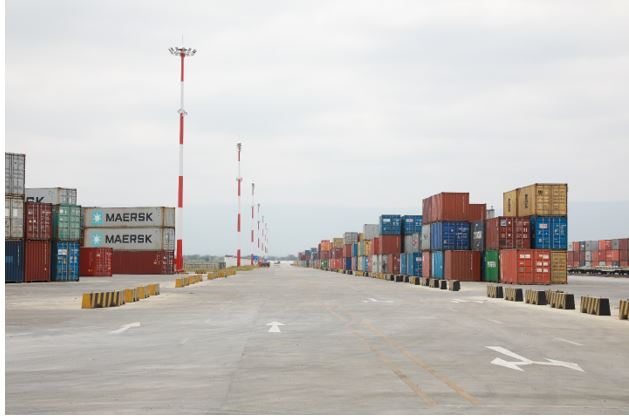
Non diplomatic shipments must go through advanced cargo X-ray scanners. Kenya deploys non-intrusive scanners to detect and identify special category goods, strategic trade commodities, and precursor chemicals to regulate the production of controlled substances.
Less than a Container Load (LCL) shipments are all cleared in Mombasa.
Containers at ICD are subject to similar storage fees as those at the port. Additionally, a one-off remarshalling fee applies if a container exceeds its allotted 4 free days. The remarshalling fees and port storage levied on the container is subject to 16% VAT as per the KPA tariff guidelines.
5. Qualifying for Duty-Free Importation of Household Goods into Kenya
For your shipment to qualify for duty exemptions during the international move to Kenya, the following conditions apply:
- First arrival or expatriate with a work permit/ retirement permit that’s valid for at least 2 years
- Duty free shipments must be shipped within 90 days of getting their work permits/ arrival into the country. If you need an extension from the Commissioner of Customs past the 90 days, the commissioner can grant such extension at their discretion provided that the shipment is imported within 360days from the date of first entry, you must prove the need.
- Returning resident with proof on your Kenyan passport that you’ve lived outside Kenya for the last 2 years
- The household goods and personal effects must have been owned and used for a minimum of 6 months
6. Documents Required for Duty Exemption in Kenya
If your shipment has been physically verified and meets the criteria above, it should be accompanied by the following documents:
- Original passport – you will need to present it at the customs office at the point of entry (Mombasa or Nairobi depending on where the shipment is clearing.)
- Valid Work permit
- KRA PIN certificate
- Pro 1B Tax Waiver (for diplomats)
- Certificate of Road Worthiness issued by QISJ (applicable to motor vehicle importation)
- Certificate of ownership (in case of a vehicle)
- Interpol or police report for the vehicle
- Comprehensive valued inventory
- Comprehensive packing list
- Bill of lading
- Marine insurance certificate
7. Marine Insurance in Kenya is Mandatory
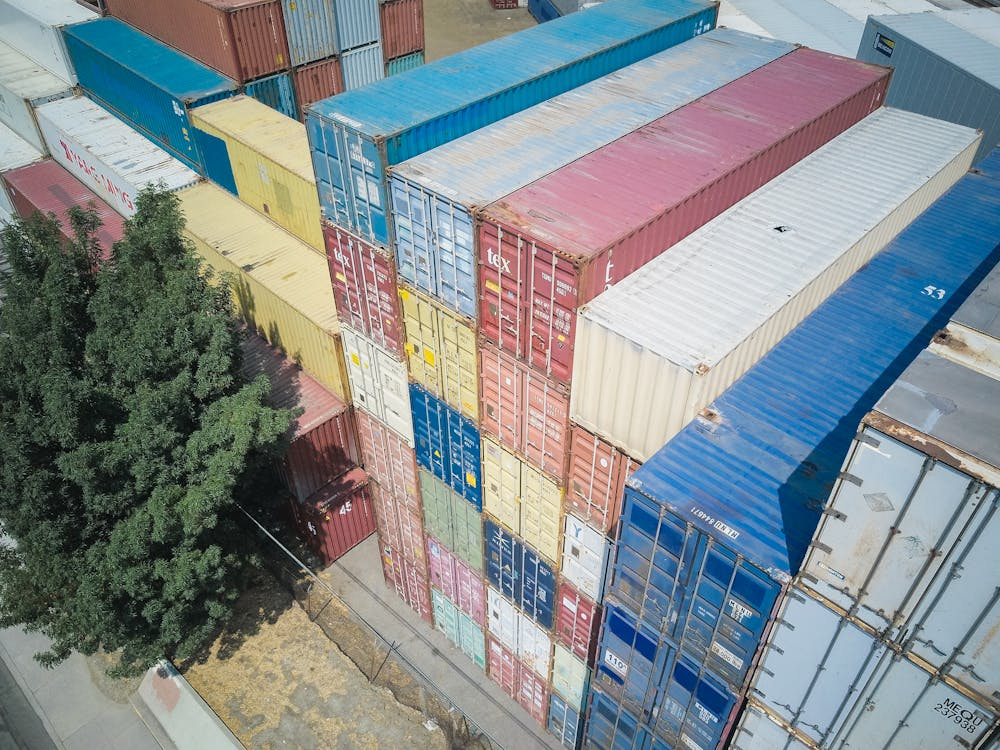
Household goods importers to Kenya must take out a marine insurance cover from a Kenyan insurer on your shipment to protect it against losses incurred from loss or damage.
8. Payment of Railway Development Levy is Mandatory
Non-diplomatic shipments entering Kenya, such as your used household goods and personal effects, are charged a Railway Development Levy (RDL). Kenya levies an RDL at 2% of the CIF value (value of the goods plus freight plus insurance premium). The CIF value is also referred to as the Customs Value of goods.
9. Customs Clearance Takes About 6 Working Days
If you complete the pre-clearance process (lodging a customs entry for your shipment and paying its levies before the container arrives) and your consignment doesn’t contain any new items or restricted/prohibited cargo, it’ll only take about 6 days to get through customs clearance.
Note, however, the shipping line must clear and release your shipment upon the issuance of a delivery order. KPA cannot release the shipment if the delivery order hasn’t mapped into their system. The delivery order is only issued when all the shipping line charges are cleared.
10. Scheduled Delivery to Your Residence

After Customs clearance, you will be issued with a customs release to allow your cargo to be scheduled for delivery to your residence. Your new residence should be ready to settle in, but if not, you may seek out professional storage service on a temporary or long-term basis.
Importing household goods to Kenya via sea in 2026 can be overwhelming. Currently, the global shipping industry is facing unprecedented challenges including port congestion, unpredictable schedule changes by shipping lines (often without prior notice), trade tensions, and delays at transshipment hubs. Nellions is committed to help every step of the way, from packing, transportation customs clearance, to final delivery to your residence.
Get in touch with us for your free quote.