


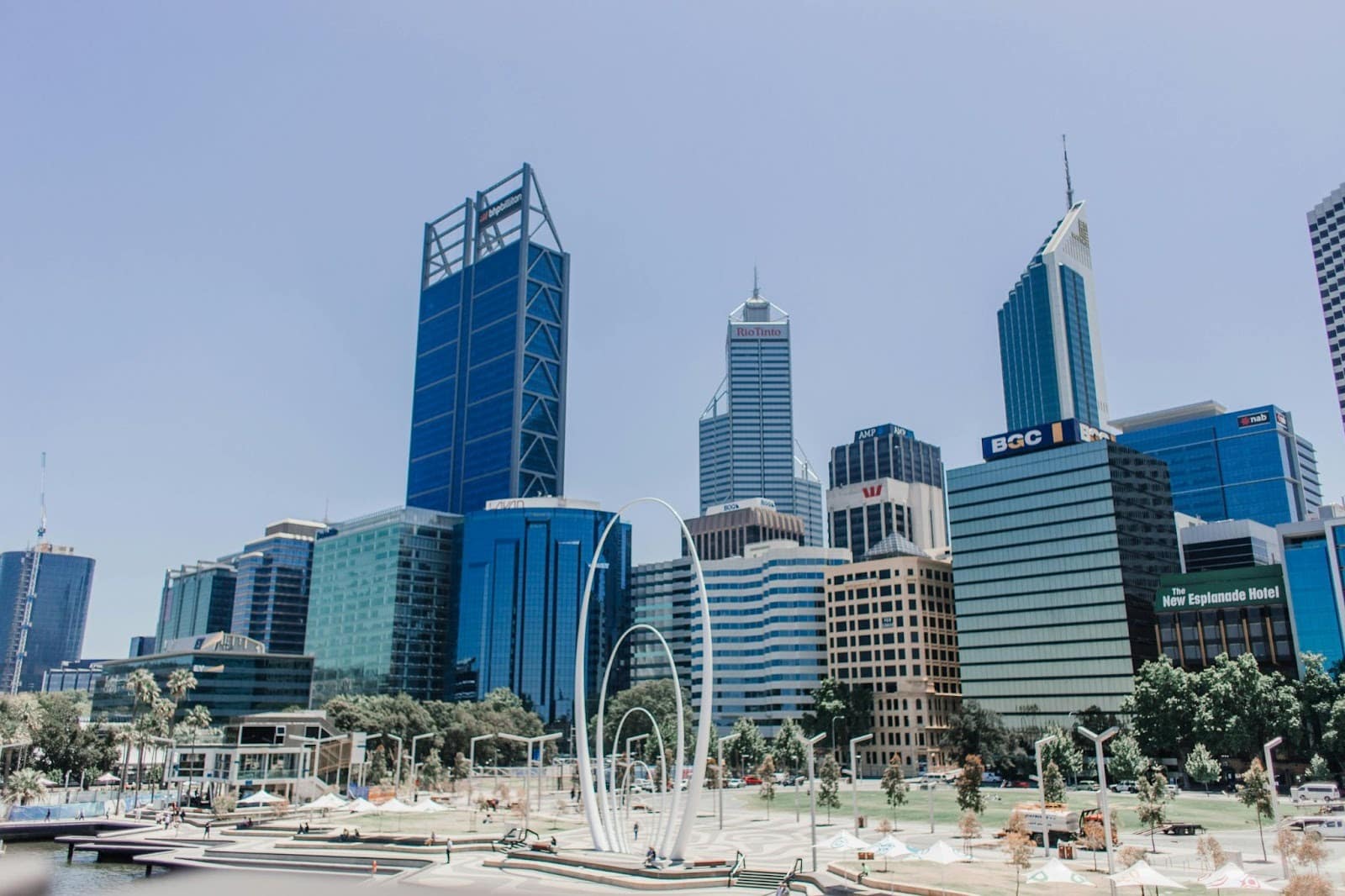
Australia is among the most preferred countries by Kenyans seeking opportunities to work, study, or simply enjoy a fresh start. Besides having a relatively high minimum wage compared to other countries, the country’s cities, such as Melbourne, are ranked highly for being the most livable cities in the world in 2026.
Australia is also known for its world-class education and healthcare systems. For instance, Australian citizens, permanent residents and other eligible candidates enjoy free or subsidized care through the country’s healthcare system. Citizens and permanent residents also enjoy free or subsidized high-quality education.
Both Kenya and Australia were part of the British Empire and are, in fact, members of the British Commonwealth. Their bilateral relationship has been growing through trade, tourism, agriculture, education, and cooperation on security and climate change.
Like Kenya, Australia permits dual citizenship. Permanent residents may eventually qualify to become citizens.
Planning an international move to Australia? Here are some things you need to know:
1. Documents You Need to Import Used Household Goods and Personal Effects
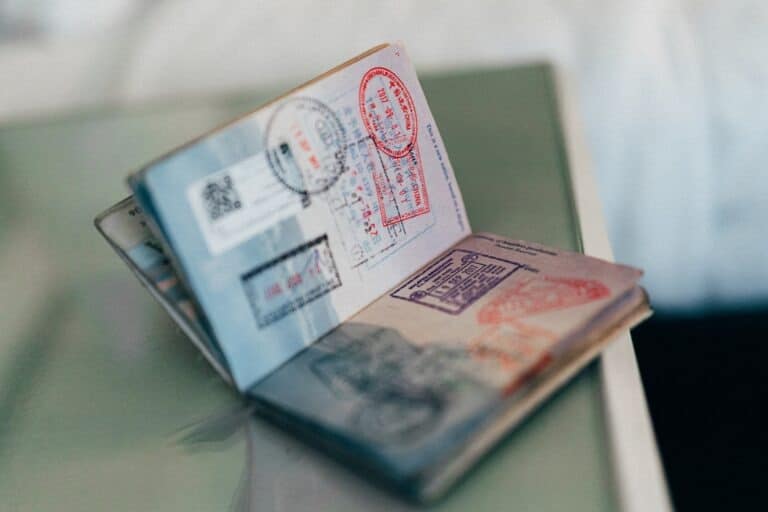
You will need the following documents to import used household goods and personal effects to Australia:
- Copy of your passport
- Completed Australian Customs Form B534/Unaccompanied Personal Effects (UPE) Statement
- Copy of your visa or e-visa approval (for non-citizens)
- Original bill of lading (OBL) if there’s no telex release/air waybill (AWB)
- Alcohol inventory (if applicable)
- Detailed inventory/packing list (in English)
- Any valid offshore treatment certificates
Your OBL must be received 7 days before your goods arrive at their first port of entry into Australia. If your goods are coming by air freight, then the AWB must be received 48 hours before their arrival at the first entry airport in Australia.
Tip: When submitting your completed Australian Customs Form B534, ensure that the signature you append there matches the one on your passport’s photo and signature page.
2. Unaccompanied Personal Effects Are Eligible for Duty-Free Concessions, Subject to Certain Conditions
Unaccompanied Personal Effects (UPEs) are household and personal items imported into Australia, but which will arrive separately. You may import UPEs by air, international mail (post), or sea cargo. They may include:
- Books
- Furniture
- Appliances
- Sporting equipment
- Clothing and footwear
- Personal hygiene and grooming items
UPEs may also include, subject to conditions, aircraft, boats, and non-motorized caravans.
If you’re eligible for a UPE concession, you’ll be cleared from Customs Control without having to pay customs duty and goods and services tax (GST). However, to be eligible for the UPE concession, you must be a passenger or crew member of an aircraft or ship. You must also have arrived from outside Australia and, depending on the nature of the goods, meet permanent residency requirements.
The goods you’re importing must be:
- Your personal property
- Suitable and intended for your use in Australia
- Used overseas by you for at least 12 months
You’ll be considered to have met the requirements for permanent residency in Australia if you:
- Are an Australian citizen
- Hold a permanent visa
- Hold a special category visa
3. Goods that are Ineligible for UPE Concessions When Moving to Australia

Australia does NOT grant UPE concessions for the following goods:
- Motor vehicles
- Motor vehicle parts
- Inherited goods
- Commercial goods
- Alcoholic beverages
- Tobacco and tobacco products
- Items purchased over the internet after you arrive
- Items belonging to another person who’s not eligible for the concession
Duty-free concessions for alcoholic beverages and tobacco products you might carry with you to Australia do NOT apply to UPEs.
The Australian Border Force (ABF) assesses these products that arrive as UPEs for duty, GST, and/or wine equalization tax. These goods won’t be released until you pay the requisite duties and taxes. The ABF reserves the final say on eligibility for the UPE concession.
If you’d still like to import certain goods but can’t use the UPE concession, you’ll be liable for customs duty, GST, and other charges.
4. You May Import Certain Amounts of Alcohol and Tobacco, But Not as UPEs
Australia allows duty-free concession for accompanied alcoholic beverages not exceeding 2.25 liters. A packet of cigarettes and a single unopened packet of up to 25 cigarettes (or the equivalent of 25 grams of tobacco products) are also liable.
Adults of 18 years and above can bring in up to AUD 900 worth of general goods, while kids are permitted AUD 450 worth of goods. International moving experts to Australia advise pooling individual duty-free concession limits if you’re travelling with your family on the same flight. However, your family will need to stay together when going through customs clearance.
If you’re in doubt about any goods or items when relocating to Australia, it’s advisable to declare it. Australia is strict on duty-free limits and penalties may be applied for undeclared items. If you exceed your duty-free allowance or try to conceal them from Customs, you will be forced to pay duty on ALL the goods, not just the excess.
5. Biosecurity Inspection for Household Goods and Personal Effects
Australia is keen on preventing pests and diseases from entering the country, especially from the movement of household goods and personal effects. The Department of Agriculture, Water and Environment subjects all consignments to biosecurity inspections and checks accompanying documents, such as B534 Forms and packing lists.
The ABF only releases your UPEs after clearance from Agriculture. Quarantine takes about a week and is done at your expense. To facilitate faster and less costly release of your UPEs from biosecurity control,
- Check import requirements and do not pack anything you shouldn’t move to Australia with
- Don’t pack anything that requires treatment unless you plan to pay the treatment fee
- Ensure any items that have been in contact with plants, animals, soil, or food are clean and dry
- Pack and label your personal effects clearly to reduce inspection time
- Avoid second-hand packing materials or used bags
- Don’t use sawdust, straw, wood shavings, or any other plant material as filler or packing material
Check the Biosecurity Import Conditions system (BICON) to determine if:
- Your goods are allowed into Australia
- Certain items require an import permit or treatment
- There are any additional requirements you need to be aware of
6. Some of Your Personal Effects May Need to be Treated
Your items will be subject to treatment if, once inspected, they are found to be of biosecurity concern. The items will be treated at your expense and only if the suitable treatment is available. You must use a treatment provider approved by the Department of Agriculture or the site facilitating the treatment service.
Treatments include heat treatment, gas fumigation, gamma irradiation or steam-cleaning depending on the items and presence of risk material. Otherwise, you may choose to destroy the goods or export them from Australia.
7. Moving to Australia from Kenya with Your Vehicle
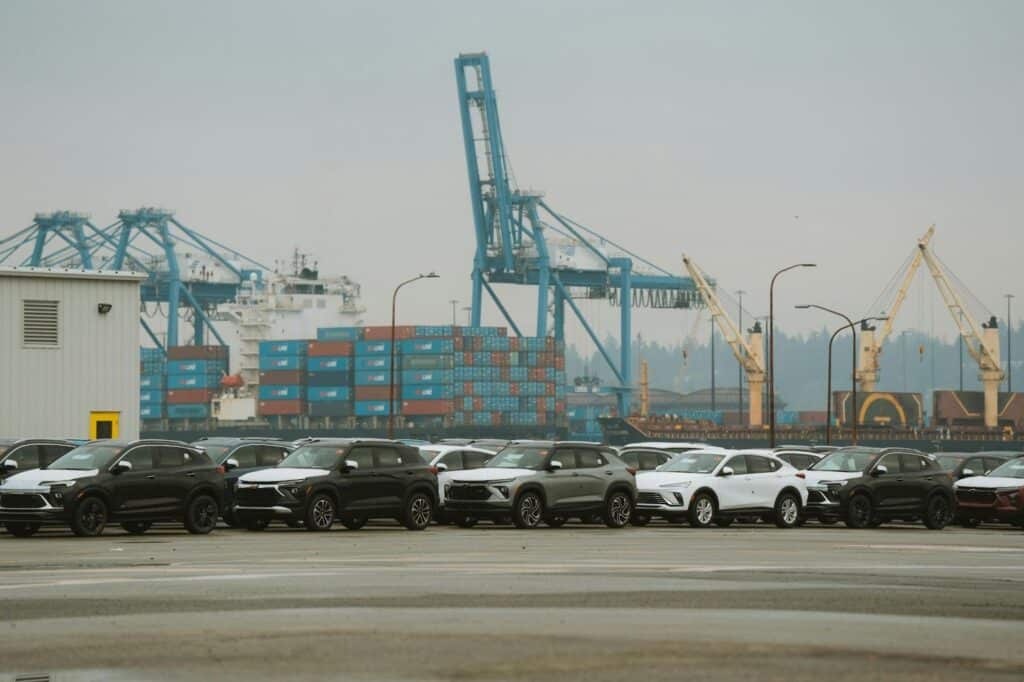
Before you start planning to ship your motor vehicle to Australia, you need any of the following approvals from the Department of Infrastructure and Transport:
- Vehicle type approval
- Reimportation import approval
- Non-Register of Approved Vehicles (RAV) entry import approval
- Concessional Register of Approved Vehicles (RAV) entry approval
You can apply for approval by creating an account in ROVER, filling in the online application form, and paying the application fee. Once you receive approval to import your car (certain conditions for the use of the vehicle may be attached), you can arrange its shipping.
Other than a vehicle import approval, you need documents such as
- Import declaration (prepared by your customs broker)
- Vehicle registration papers from Kenya
- Proof of ownership and purchase receipt
It’s advisable to consider all the costs of importing a vehicle before doing so, such as pre-shipment costs (steam cleaning), freight and insurance, logistics, import processing, and customs broker’s charges etc. Ask your moving company for advice on how to prepare your car for international moving.
It’s worth noting that consular posts, diplomatic missions, and privileged individuals may import vehicles free of duty, taxes, and other charges. Still, they must meet all protocol guidelines and obtain import approval.
8. Moving with Your Pet to Australia
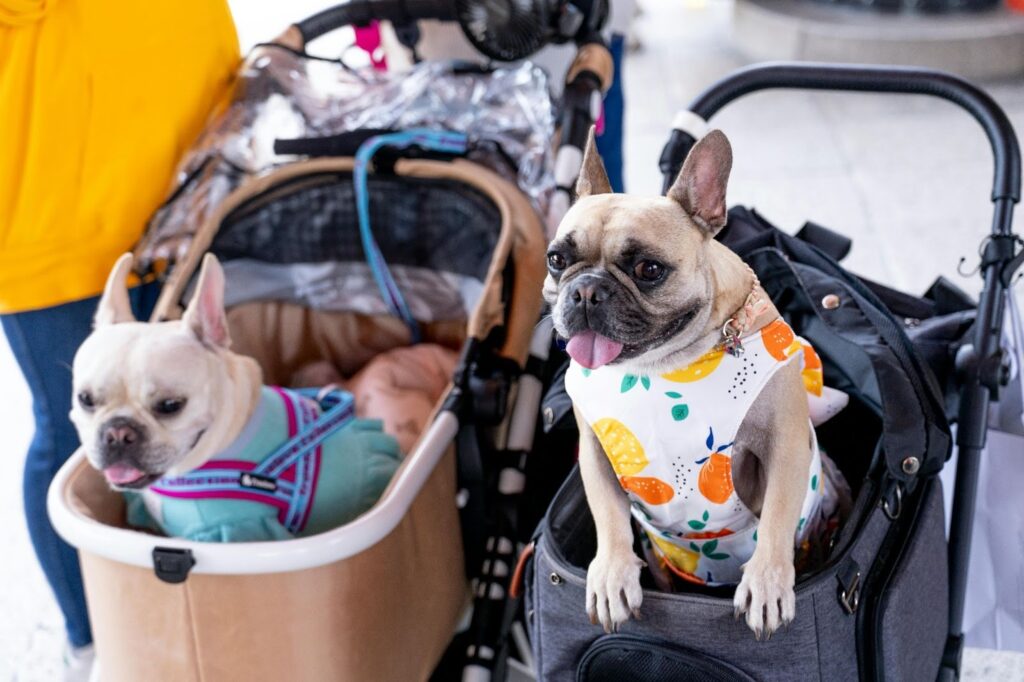
Moving with a pet to Australia isn’t simple nor cheap. The Department of Agriculture, Water and the Environment limits the importing of live animals considering the significant risk of pests and diseases.
If your pet arrives in Australia as or with your UPEs, it’ll be cleared as your UPE, and an import declaration won’t be necessary. However, animals that are used for competition, breeding purposes, or sale will not be treated as pets.
The only animals that can currently be imported into Australia as pets are:
- Select species of birds from New Zealand only
- Cats, dogs, and horses from approved countries only
- Rabbits from New Zealand only
The ABF provides a list of cat and dog breeds considered dangerous and prohibits importing them into the country. You should consult Agriculture to ensure your pet meets the conditions regarding species, country of origin, and other biosecurity requirements.
Pets to Australia must be microchipped and be up to date with vaccinations.
Kenya is not among the approved countries from which pets can be directly imported into Australia; you’ll have to import your cat or dog via a different country.
9. You Don’t Have to be in Australia to Clear Your Goods
You can clear your UPEs by completing and lodging your Unaccompanied Personal Effects Statement (B534 Form) either:
- In-person at one of ABF’s offices, or
- Via electronic lodgment through the Integrated Cargo System
If you opt to lodge your B534 Form in person at an ABF counter, you must first undergo an Evidence of Identity (EOI) check. In addition to the original passport needed for the EOI check, you must also bring:
- A completed and signed B534 Form
- All available permits for your goods
- A delivery order from the shipper or any other shipping document that identifies the owner of the goods and their Australian address
- A packing list of all the goods included in the UPEs
- Any receipts or evidence of the value of goods owned for less than 12 months
You may ask a representative (friend or relative) to lodge the form for you if you can’t do it yourself. However, they will have to give ABF a copy of their passport photo page bearing their signature.
If you decide to use a customs broker or other service provider, they can electronically lodge your B534 Form for you through the Integrated Cargo System (ICS). ABF will still require all the documents you’d have brought in person even though you won’t have to go to a departmental counter. If you opt to lodge your statement electronically, your customs broker or service provider will inform you of any applicable fees.
It’ll take about 12 to 15 working days for sea freight to be cleared, depending on the mode of sea freight and the destination location. Airfreight typically takes about 5 to 7 working days to get cleared, depending on the documentation received and the destination location.
10. Shipping UPEs from Kenya to Australia Takes About Two Months
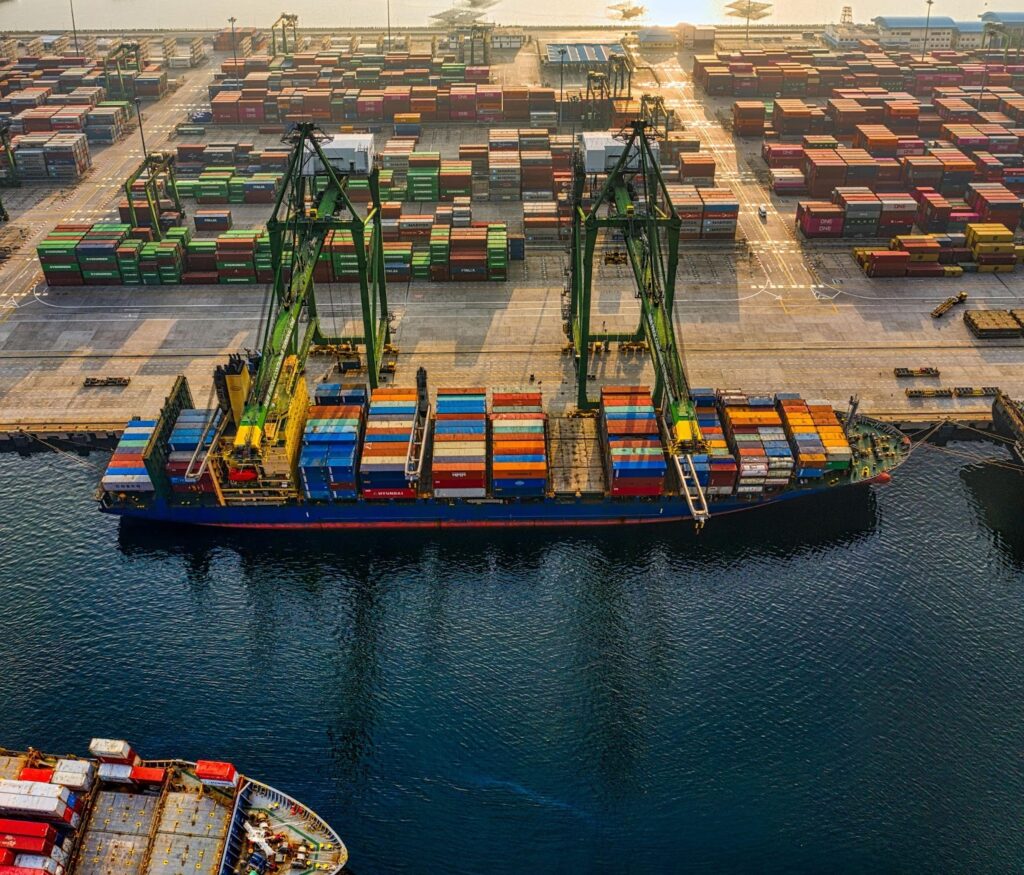
Door-to-door shipment of household goods and personal items from Kenya to Australia will take about 2 months.
Remember, your belongings do not have to arrive at the same time you do, but they must be shipped specifically because you plan to move to Australia. You must prove using an airline ticket or evidence of a work contract that you intend to travel to Australia in reasonable time. Australia doesn’t permit the use of the UPE concessions when you arrange to import your personal effects months after your arrival.
Best Movers to Australia: Nellions Moving and Relocations Company

Moving to Australia from Kenya can be a daunting process, especially considering the strict conditions for obtaining approvals for importing belongings, motor vehicles, and pets.
With the professional support and guidance of international moving companies like Nellions, individuals and families can experience a smooth moving process. Some of the major seaports (also cities) that Nellions helps people move to in Australia include Melbourne, Sydney, Perth, and Brisbane.
Get your free moving quote today.
Contact us on +254700000002 or email move@nellions.co.ke