



Breaking into the international job market and moving abroad for work is a dream for many people. It’s an exciting experience and there are many benefits involved, from broader career prospects, better pay, higher quality of living, to experiencing multicultural diversity.
Today, many companies are going global and are constantly searching for the best talent to fill specialized roles. The hunt for top-tier talent has transformed international relocation into a standard career move for professionals with high-value, transferable skills. Most expats not only get to share their knowledge and skills in a new professional environment when they move abroad, they also develop new skills, creativity, and build their self-confidence.
Relocating abroad for work can be difficult and draining. It involves tedious processes, such as filing paperwork, sorting and packing your belongings, and hunting for the best place to live in the new country. With proper preparation and the right international moving partner, your move abroad can be an enriching experience.
Here are 9 essential aspects to keep in mind when moving abroad for work:
1. The True Cost of Moving Abroad for Work
The true cost of moving abroad includes more than just the obvious costs of packing and shipping, flight tickets, and maybe a visa fee. International movers often advise travelers to expect and plan for hidden expenses and surprise fees.
The following are expenses most people forget to include in their budget:
- Customs duties and import taxes
- Temporary accommodation
- Storage fees
- Documentation and legal fees
- Pet travel costs
- Language support and cultural orientation
- Unexpected changes and emergencies
While moving internationally is an exciting prospect, it’s also a serious financial commitment. You should have enough funds to facilitate the whole immigration process and offset any hidden expenses along the way.
2. Work Visas and Permits

To work legally in most countries, you’ll need a work permit or visa. These countries will often require a valid job offer to aid your visa application process. In this case, most employers will assist or sponsor your application.
There are various worker mobility programs around the world designed to make it easier for employers to hire foreign-born skilled workers. You can permanently relocate to Canada or Australia based on their points-based system where they select candidates as per their labor needs.
EU citizens can work in a member state without the need for a visa or permit. Only British citizens hoping to work in an EU member state will need to obtain the relevant work permit.
The requirements are slightly more complex when relocating to the US. Most foreign workers in specialized fields require H1-B visa sponsorship; applicants must have a higher level of education and employers must prove the role is a specialty occupation and file a Labor Condition Application (LCA).
More information on the types of US work visas is available on the State Department website.
3. Prepare for Lifestyle Changes
Moving abroad for work comes with many lifestyle changes. It’s important to research the local culture, language, work ethic, climate, and daily life of the country you’re moving to. It could also be helpful to think about your life at home and find out which elements you want to bring with you into your new chapter.
You can research about your destination city to help diminish the potential culture shock awaiting when you arrive. Read other expats’ experiences in online articles or interviews to understand the kind of changes necessary to adapt to life overseas.
It’s worth noting that building a strong social support network of friends and colleagues is essential to thriving in your new location. Check with your employer or the HR department if they run social events that could help you get to know your co-workers or connect with like-minded Kenyans in the diaspora.
4. Finances and the Cost of Living Abroad
You should compare the cost of living in your new city against your salary before moving overseas for work. The US and UK have a significantly lower cost-of-living index (goods are more affordable) compared to countries like Denmark, Israel, and Switzerland.
Important expenses to consider include rental costs, fuel and grocery prices, and healthcare costs. Check with your employer’s relocation policy to see if they provide a relocation package whereby: they assist with leasing temporary housing, offset shipping costs, provide a monthly stipend for living costs, or in some cases, help relocate your family members too.
Some employers will either offer temporary accommodation and other support or will refer you to an agency that will help with the process.
5. Relocating with Family Members

When considering a move abroad for work, it’s essential to work out with your employer whether any support will be available to your family members. If you have a family with children, you should find out:
- Whether your spouse can work the visa conditions
- Local schools
- Local amenities and hospitals
- Cultural fit and how well your family will adjust
6. Tax Requirements When Moving Abroad for Work
Whether you’re moving temporarily or permanently, understanding local tax laws in the country you’re moving to is essential for compliance and financial stability. Some countries have a bilateral tax agreement that determines the tax rates on income and pension for non-residents. You may be exempted if you’re staying only for a short period.
Ensure you check whether you’ll be required to remit taxes both in your host country and back at home as this will significantly affect your financial status.
7. Wrapping Up Things at Home before the Move
While relocating with your household goods and personal effects is possible, it entirely depends on your finances. You could declutter your home and put some items like furniture and home appliances in long-term storage as you move abroad with the rest.
Here’s a few loose ends you may want to tie before relocating abroad:
- Rent out or sell your house
- Make plans to export or sell your car
- Close or transfer any memberships for clubs and leisure facilities
- Close your subscription with your mobile service provider
- Make plans for pets to export or be re-homed
- Notifying your local bank of change of address
- Establish if you need to translate or legalize any documents
Check out our blog for more information on things you need to handle before your international move.
8. Medical Care
Many countries require that employers provide adequate medical coverage as part of the visa sponsorship. You should check the particulars (e.g. dental, pre-existing conditions) of your cover and whether it includes your family members when negotiating on medical coverage with your employer.
In addition, you may be required to undergo a medical test before your departure. Visit your doctor to find out if you need any vaccinations and try to stock up on essential prescriptions that may be expensive to get overseas.
9. Choosing the Best International Moving Company
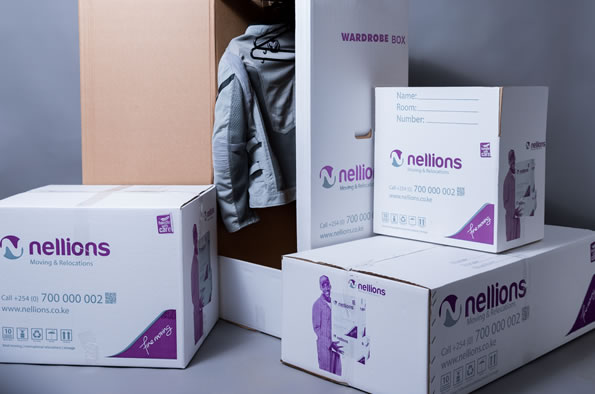
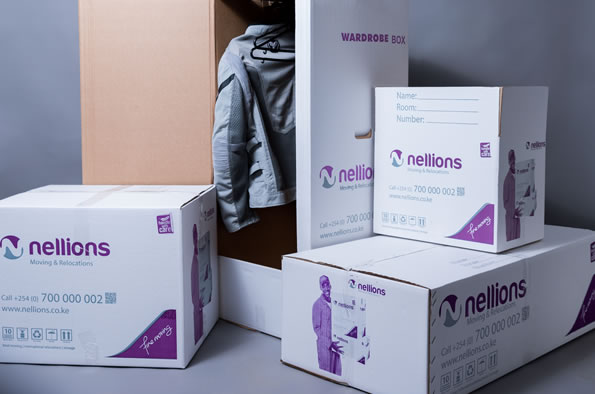
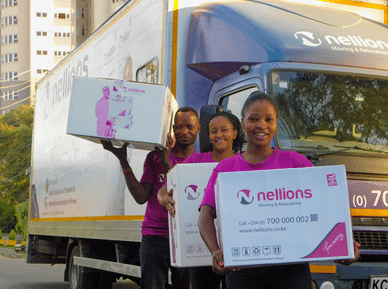
With the expert support and transparent guidance of a reliable international moving expert, starting a new life abroad can be a rewarding experience. Nellions brings 12+ years of global experience to help you pack, move, and deliver furniture, electronics, and goods of sentimental value overseas to your destination.
Get your free quote today.
Call us on +254 700 000 002 or email us at move@nellions.co.ke