



Moving overseas can be a stressful time, especially with children, pets, and tons of household goods and personal items involved. Fortunately, sea freight containers offer the most affordable way to transport your belongings in an international move.
Shipping containers are more than just steel boxes for global trade and international moving. Today, they’re used for homes and offices, storage units, and logistics solutions.
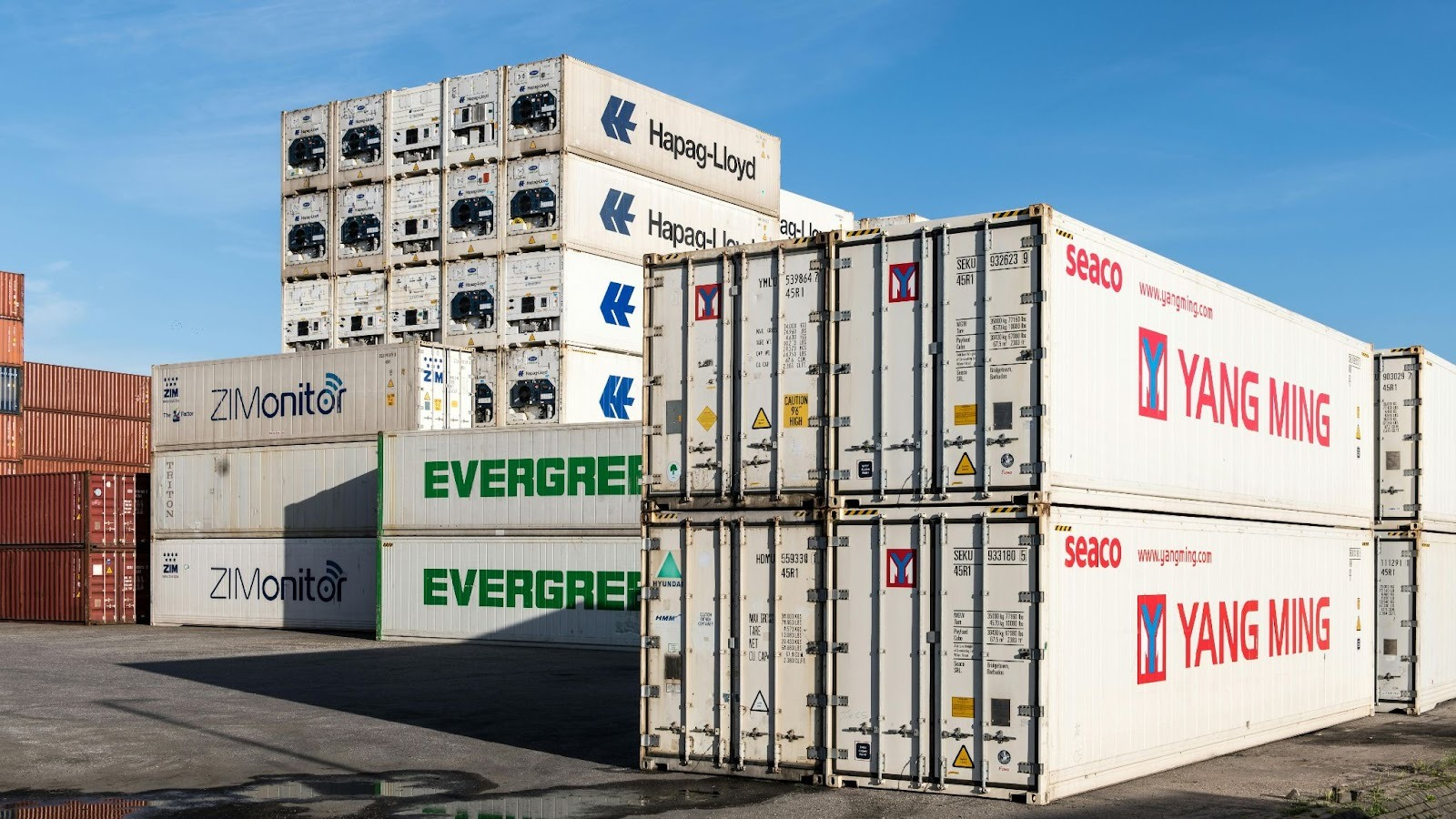
A shipper-owned container (SOC) is a shipping container that you buy as the owner or exporter of the goods. When you use SOCs, you gain direct control over logistics which helps you avoid extra costs tied to carrier-owned containers (COCs) e.g demurrages. Shippers negotiate freight space with carriers but are not tied to their equipment.
Some benefits of moving with your own container include:
- High flexibility on routes, especially imbalanced trade lanes
- Customizable to fit specific needs, like temperature-controlled containers for perishable items.
- No demurrage/detention penalties from late container returns.
- Direct control over equipment condition and availability.
Here are essential factors to consider when using shipper-owned containers for your move abroad:
1. Price of the Shipper-Owned Container
Container prices vary depending on container size, condition, geographical location, and modifications such as insulation, electrical systems, and ventilation.
According to Container Xchange, the current average price of a used 20 ft shipping container costs between $1,500 and $3,000, and a new 20 ft container costs between $2,500 and $5,000. Used 40ft shipping containers cost on average $2,000 to $4,500 for standard and $2,500 to $5,000 for a 40 ft high cube, while new 40ft containers cost $3,500 to $6,500 and $4,000 to $7,000, respectively.
2. Your Professional Mover Can Help You Buy the Container
It’s advisable to ask the moving company handling your relocation to guide you with buying a SOC since they’re more familiar with shipping lines and the logistics industry. An expert mover should help you establish whether to buy or lease one and where to find a reliable seller.
Contracting a moving company can also help you negotiate a good price, arrange transportation to your door, and avoid phishing scams.
3. Ask about CSC/ISO Certifications
The International Maritime Organization (IMO) set a CSC (Convention for Safe Containers) standard for cargo and container handlers. A SOC that meets the safety requirements for shipping must have a valid CSC plate. The plate lets container depots and international ports know the container is safe for transportation and handling when fully loaded.
Your container must pass an official CSC survey by certified inspectors to receive a CSC plate. New ISO shipping container CSC plates are valid for 5 years, after which they are reevaluated for structural integrity and a new validity timescale.
4. SOCs Have Different Markings from COCs
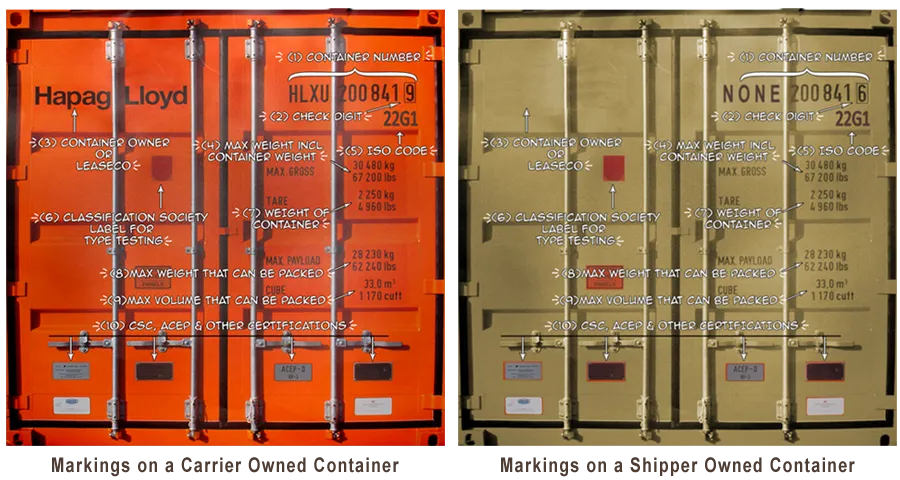
If you buy a container from a carrier, you must replace the labels on the container. The most critical elements to change include the container number, check digit, and the owner or lease company name.
For instance, Hapag Lloyd containers bought with the prefix HLXU and check digit 9, will be relabeled to NONE with check digit 6. In line with this change of ownership, the carrier selling the container will also deregister the container from their fleet.
Some documents you may need to give your carrier of choice to approve your SOC for shipping include:
- The SOC application form
- Images of the SOC boxes
- Image of the CSC plate
5. Shipping Lines Do Not Give SOCs Discounts
Carrier-owned containers enjoy higher freight rate discounts compared to SOCs since they help carriers save money on empty containers. This is especially common for shipments from high surplus areas; many containers remain empty due to trade imbalances.
6. Delivery and Safety Considerations
Shipping containers are considerably heavy, with an empty 20 ft container weighing about 2.3 tons. Considering the trucks delivering them are even bigger, it’s advisable to ensure the exact location you want the container delivered is accessible and the trucks can maneuver easily.
International Moving with Nellions Moving and Relocations Company
Distinguishing between shipper-owned containers and carrier-owned containers has direct implications for ocean freight rates, demurrage liability, and CSC safety approval responsibilities. Whether you choose to move abroad using your own container or a carrier-owned one, having the right moving partner by stressful process into a seamless transition.
Nellions brings 12+ years of global experience to help you pack, move, and deliver your belongings overseas to your destination.
Get your free quote today.
Call us on +254 700 000 002 or email us at move@nellions.co.ke